SUEMED.IR
سامانه واحد مدیریت دیجیتال
راهنمای وکلا و شاکیان در پیگیری قصور پزشکی
Advanced Steps to Understanding
سطح پیشرفته
سطح پیشرفته
Passage 1
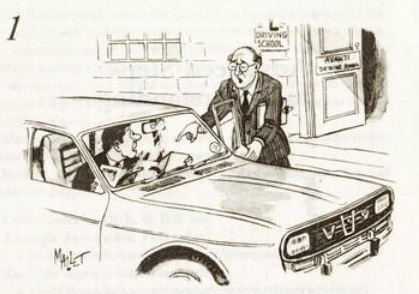
Harry Marsh was a driving examiner who had to test people who
wanted to get a driving-licence. One day he came out of his office as
usual and saw a car at the side of the road, with a young man in it. He
got into the car beside the driver and told him to check the lights,
then the brakes and then all the other usual things. The driver
performed everything promptly and faultlessly, without saying a
word.
Then Harry told the driver to start his engine and drive forward.
Then he told him to turn right into a side road, stop, go backwards
into another side road and then drive to the office again.
On the way, the driver said to Harry politely, 'Could you please
tell me why we are doing all these things? I was passing through this
town and only stopped to look at my map.'
🔊
درس ۱
هری مارش یک ممتحن رانندگی بود که باید افرادی را که میخواستند گواهینامه رانندگی بگیرند، امتحان میکرد. یک روز او مثل همیشه از دفترش بیرون آمد و ماشینی را کنار جاده دید که یک جوان در آن نشسته بود. او سوار ماشین شد و کنار راننده نشست و به او گفت چراغها را بررسی کند، بعد ترمزها را، و سپس همه چیزهای معمول دیگر را. راننده همه کارها را سریع و بینقص انجام داد، بدون اینکه حتی یک کلمه حرف بزند. بعد هری به راننده گفت موتور را روشن کند و به جلو حرکت کند. سپس به او گفت به راست وارد یک خیابان فرعی شود، توقف کند، به عقب به داخل خیابان فرعی دیگری برود، و بعد دوباره به سمت دفتر براند. ? در راه، راننده با ادب به هری گفت: «ممکن است لطفاً به من بگویید چرا داریم همه این کارها را انجام میدهیم؟ من فقط در حال عبور از این شهر بودم و فقط برای نگاه کردن به نقشهام توقف کردم.»
هری مارش یک ممتحن رانندگی بود که باید افرادی را که میخواستند گواهینامه رانندگی بگیرند، امتحان میکرد. یک روز او مثل همیشه از دفترش بیرون آمد و ماشینی را کنار جاده دید که یک جوان در آن نشسته بود. او سوار ماشین شد و کنار راننده نشست و به او گفت چراغها را بررسی کند، بعد ترمزها را، و سپس همه چیزهای معمول دیگر را. راننده همه کارها را سریع و بینقص انجام داد، بدون اینکه حتی یک کلمه حرف بزند. بعد هری به راننده گفت موتور را روشن کند و به جلو حرکت کند. سپس به او گفت به راست وارد یک خیابان فرعی شود، توقف کند، به عقب به داخل خیابان فرعی دیگری برود، و بعد دوباره به سمت دفتر براند. ? در راه، راننده با ادب به هری گفت: «ممکن است لطفاً به من بگویید چرا داریم همه این کارها را انجام میدهیم؟ من فقط در حال عبور از این شهر بودم و فقط برای نگاه کردن به نقشهام توقف کردم.»
Passage 1
🔊
درس ۱
Harry Marsh was a driving examiner who had to test people who wanted to get a driving-licence.
🔊
هری مارش یک ممتحن رانندگی بود که باید افرادی را که میخواستند گواهینامه رانندگی بگیرند، امتحان میکرد.
One day he came out of his office as usual and saw a car at the side of the road, with a young man in it.
🔊
یک روز او مثل همیشه از دفترش بیرون آمد و ماشینی را کنار جاده دید که یک جوان در آن نشسته بود.
He got into the car beside the driver and told him to check the lights, then the brakes and then all the other usual things.
🔊
او سوار ماشین شد و کنار راننده نشست و به او گفت چراغها را بررسی کند، بعد ترمزها را، و سپس همه چیزهای معمول دیگر را.
The driver performed everything promptly and faultlessly, without saying a word.
🔊
راننده همه کارها را سریع و بینقص انجام داد، بدون اینکه حتی یک کلمه حرف بزند.
Then Harry told the driver to start his engine and drive forward.
🔊
بعد هری به راننده گفت موتور را روشن کند و به جلو حرکت کند.
Then he told him to turn right into a side road, stop, go backwards into another side road and then drive to the office again.
🔊
سپس به او گفت به راست وارد یک خیابان فرعی شود، توقف کند، به عقب به داخل خیابان فرعی دیگری برود، و بعد دوباره به سمت دفتر براند.
On the way, the driver said to Harry politely, ‘Could you please tell me why we are doing all these things? I was passing through this town and only stopped to look at my map.’
🔊
در راه، راننده با ادب به هری گفت: «ممکن است لطفاً به من بگویید چرا داریم همه این کارها را انجام میدهیم؟ من فقط در حال عبور از این شهر بودم و فقط برای نگاه کردن به نقشهام توقف کردم.»
Passage 2
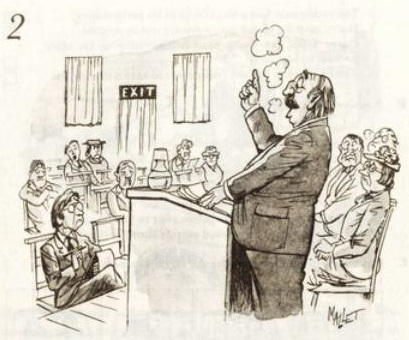
George was a newspaper reporter who worked for a small local
newspaper in a country town. Nothing much ever happened there.
One day George's boss sent for him.
'George,' he said, James Bright is making a speech at the Town
Hall tonight. I want you to go and report on it for us."
James Bright?" said George. 'He's a terrible old fool. He never says
anything worth reporting.
'Bright is our best-known local politician,' said the boss. 'We'll
have to print a report on that speech."
So George went to the meeting and Bright spoke for two hours
without stopping. When George got back to the office at last, the boss
was waiting for him.
'Well, George,' he said. 'What did the old man say?"
'Absolutely nothing,' said George.
The boss wasn't surprised. 'All right, George,' he said. 'You'd
better not write more than two and a half columns on it."
🔊
درس ۲
جورج یک خبرنگار روزنامه بود که برای یک روزنامه محلی کوچک در یک شهر کوچک کار میکرد. در آنجا تقریباً هیچ اتفاق مهمی نمیافتاد. یک روز رئیس جورج او را خواست. «جورج،» او گفت، «جیمز برایت امشب در تالار شهر سخنرانی میکند.» «میخواهم بروی و برای ما از آن گزارش تهیه کنی.» «جیمز برایت؟» جورج گفت «او پیرمرد احمق وحشتناکی است.» «او هیچوقت چیزی نمیگوید که ارزش گزارش کردن داشته باشد.» «بِرایت شناختهشدهترین سیاستمدار محلی ماست،» رئیس گفت «مجبوریم گزارشی از آن سخنرانی چاپ کنیم.» پس جورج به جلسه رفت و برایت دو ساعت بدون توقف صحبت کرد. وقتی جورج بالاخره به دفتر برگشت، رئیس منتظرش بود. «خب، جورج،» او گفت ?" «آن پیرمرد چه گفت؟» . «هیچچیز،» جورج گفت. . رئیس تعجب نکرد.. «خیلی خوب، جورج،» او گفت «بهتر است بیش از دو و نیم ستون دربارهاش ننویسی.»
جورج یک خبرنگار روزنامه بود که برای یک روزنامه محلی کوچک در یک شهر کوچک کار میکرد. در آنجا تقریباً هیچ اتفاق مهمی نمیافتاد. یک روز رئیس جورج او را خواست. «جورج،» او گفت، «جیمز برایت امشب در تالار شهر سخنرانی میکند.» «میخواهم بروی و برای ما از آن گزارش تهیه کنی.» «جیمز برایت؟» جورج گفت «او پیرمرد احمق وحشتناکی است.» «او هیچوقت چیزی نمیگوید که ارزش گزارش کردن داشته باشد.» «بِرایت شناختهشدهترین سیاستمدار محلی ماست،» رئیس گفت «مجبوریم گزارشی از آن سخنرانی چاپ کنیم.» پس جورج به جلسه رفت و برایت دو ساعت بدون توقف صحبت کرد. وقتی جورج بالاخره به دفتر برگشت، رئیس منتظرش بود. «خب، جورج،» او گفت ?" «آن پیرمرد چه گفت؟» . «هیچچیز،» جورج گفت. . رئیس تعجب نکرد.. «خیلی خوب، جورج،» او گفت «بهتر است بیش از دو و نیم ستون دربارهاش ننویسی.»
Passage 2
🔊
درس ۲
George was a newspaper reporter who worked for a small local newspaper in a country town.
🔊
جورج یک خبرنگار روزنامه بود که برای یک روزنامه محلی کوچک در یک شهر کوچک کار میکرد.
Nothing much ever happened there.
🔊
در آنجا تقریباً هیچ اتفاق مهمی نمیافتاد.
One day George’s boss sent for him.
🔊
یک روز رئیس جورج او را خواست.
‘George,’ he said, James Bright is making a speech at the Town Hall tonight.
🔊
«جورج،» او گفت، «جیمز برایت امشب در تالار شهر سخنرانی میکند.»
I want you to go and report on it for us."
🔊
«میخواهم بروی و برای ما از آن گزارش تهیه کنی.»
“James Bright?” said George.
🔊
«جیمز برایت؟» جورج گفت.
'He’s a terrible old fool.
🔊
«او پیرمرد احمق وحشتناکی است.»
He never says anything worth reporting.
🔊
«او هیچوقت چیزی نمیگوید که ارزش گزارش کردن داشته باشد.»
‘Bright is our best-known local politician,’ said the boss.
🔊
«بِرایت شناختهشدهترین سیاستمدار محلی ماست،» رئیس گفت.
'We’ll have to print a report on that speech."
🔊
«مجبوریم گزارشی از آن سخنرانی چاپ کنیم.»
So George went to the meeting and Bright spoke for two hours without stopping.
🔊
پس جورج به جلسه رفت و برایت دو ساعت بدون توقف صحبت کرد.
When George got back to the office at last, the boss was waiting for him.
🔊
وقتی جورج بالاخره به دفتر برگشت، رئیس منتظرش بود.
‘Well, George,’ he said.
🔊
«خب، جورج،» او گفت.
'What did the old man say?"
🔊
«آن پیرمرد چه گفت؟»
‘Absolutely nothing,’ said George.
🔊
«هیچچیز،» جورج گفت.
The boss wasn’t surprised.
🔊
رئیس تعجب نکرد.
‘All right, George,’ he said.
🔊
«خیلی خوب، جورج،» او گفت.
'You’d better not write more than two and a half columns on it."
🔊
«بهتر است بیش از دو و نیم ستون دربارهاش ننویسی.»
Passage 3
Many years ago an Einglish lady in Africa was invited by am important local chief to lbe the first person to use his new bath-thie first one in that part of Africa. The lady went into the bath-house, turned on the taps and got intio the nice, warm water. But when she looked up, she was frightened to see an eye watching her through a hole. She got out, dressed and ram outside. She saw an old iman and a donkey there. He was carrying a petrol tin of hot water in one hand, and one of cold water in the other, and in front of him were two funnels. 'Why were you watching me in my bath?" the lady asked hinn angrily. The man answered politely, 'I have to see which tap you turn on, madam, or I don't know whether to pour in hot or cold water." 🔊 درس ۳
سالها پیش، یک بانوی انگلیسی در آفریقا از سوی یک رئیس محلی مهم دعوت شد تا نخستین کسی باشد که از حمام جدید او استفاده میکند؛ نخستین حمام از این نوع در آن بخش از آفریقا. -, آن بانو وارد حمام شد، شیرها را باز کرد و داخل آب گرم و خوشایند رفت. اما وقتی سرش را بالا آورد، با ترس دید که چشمی از پشت سوراخی او را زیر نظر دارد. او از حمام بیرون آمد، لباسهایش را پوشید و به بیرون دوید. او در آنجا یک پیرمرد و یک الاغ دید. او در یک دست یک ظرف بنزینِ پر از آب داغ و در دست دیگر یکی پر از آب سرد حمل میکرد، و جلوی او هم دو قیف قرار داشت ?" «چرا در حمام داشتید مرا تماشا میکردید؟» آن بانو با ناراحتی از او پرسید. ' , آن مرد با ادب پاسخ داد: «من باید ببینم کدام شیر را باز میکنید، خانم، وگرنه نمیدانم آب داغ بریزم یا آب سرد.»
Many years ago an Einglish lady in Africa was invited by am important local chief to lbe the first person to use his new bath-thie first one in that part of Africa. The lady went into the bath-house, turned on the taps and got intio the nice, warm water. But when she looked up, she was frightened to see an eye watching her through a hole. She got out, dressed and ram outside. She saw an old iman and a donkey there. He was carrying a petrol tin of hot water in one hand, and one of cold water in the other, and in front of him were two funnels. 'Why were you watching me in my bath?" the lady asked hinn angrily. The man answered politely, 'I have to see which tap you turn on, madam, or I don't know whether to pour in hot or cold water." 🔊 درس ۳
سالها پیش، یک بانوی انگلیسی در آفریقا از سوی یک رئیس محلی مهم دعوت شد تا نخستین کسی باشد که از حمام جدید او استفاده میکند؛ نخستین حمام از این نوع در آن بخش از آفریقا. -, آن بانو وارد حمام شد، شیرها را باز کرد و داخل آب گرم و خوشایند رفت. اما وقتی سرش را بالا آورد، با ترس دید که چشمی از پشت سوراخی او را زیر نظر دارد. او از حمام بیرون آمد، لباسهایش را پوشید و به بیرون دوید. او در آنجا یک پیرمرد و یک الاغ دید. او در یک دست یک ظرف بنزینِ پر از آب داغ و در دست دیگر یکی پر از آب سرد حمل میکرد، و جلوی او هم دو قیف قرار داشت ?" «چرا در حمام داشتید مرا تماشا میکردید؟» آن بانو با ناراحتی از او پرسید. ' , آن مرد با ادب پاسخ داد: «من باید ببینم کدام شیر را باز میکنید، خانم، وگرنه نمیدانم آب داغ بریزم یا آب سرد.»
Passage 3
🔊
درس ۳
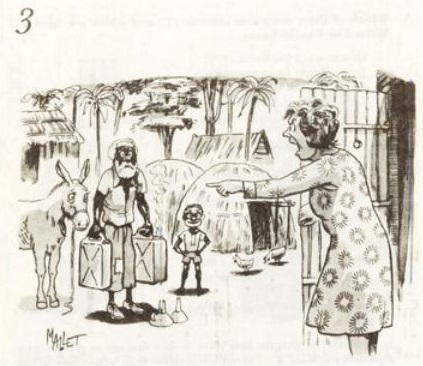
Many years ago an English lady in Africa was invited by an important local chief to be the first person to use his new bath—the first one in that part of Africa.
🔊
سالها پیش، یک بانوی انگلیسی در آفریقا از سوی یک رئیس محلی مهم دعوت شد تا نخستین کسی باشد که از حمام جدید او استفاده میکند؛ نخستین حمام از این نوع در آن بخش از آفریقا.
The lady went into the bath-house, turned on the taps and got into the nice, warm water.
🔊
آن بانو وارد حمام شد، شیرها را باز کرد و داخل آب گرم و خوشایند رفت.
But when she looked up, she was frightened to see an eye watching her through a hole.
🔊
اما وقتی سرش را بالا آورد، با ترس دید که چشمی از پشت سوراخی او را زیر نظر دارد.
She got out, dressed and ran outside.
🔊
او از حمام بیرون آمد، لباسهایش را پوشید و به بیرون دوید.
She saw an old man and a donkey there.
🔊
او در آنجا یک پیرمرد و یک الاغ دید.
He was carrying a petrol tin of hot water in one hand, and one of cold water in the other, and in front of him were two funnels.
🔊
او در یک دست یک ظرف بنزینِ پر از آب داغ و در دست دیگر یکی پر از آب سرد حمل میکرد، و جلوی او هم دو قیف قرار داشت.
'Why were you watching me in my bath?" the lady asked him angrily.
🔊
«چرا در حمام داشتید مرا تماشا میکردید؟» آن بانو با ناراحتی از او پرسید.
The man answered politely, 'I have to see which tap you turn on, madam, or I don’t know whether to pour in hot or cold water."
🔊
آن مرد با ادب پاسخ داد: «من باید ببینم کدام شیر را باز میکنید، خانم، وگرنه نمیدانم آب داغ بریزم یا آب سرد.»
Passage 4
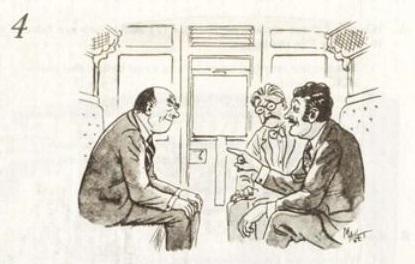
Mr Edwards and Mr Wilson were friends. They were sitting in а
train when another man came in. There was going to be an election
soon, and Mr Edwards and Mr Wilson began talking about politics.
Mr Edwards supported the Labour Party strongly.
Suddenly the third man began to argue with Mr Edwards. He
supported the Conservatives.
They argued for a long time, and then Mr Edwards said, 'Well, I
can't make you change your mind, and you can't make me change
mine, so let's have an agreement: I won't vote for the Labour Party,
and you won't vote for the Conservative Party. Then we'll be able to
stay at home comfortably, and nobody will lose anything.' The other
man agreed.
They all got out at the same station, and Mr Edwards drove Mr
Wilson home in his car.
"That's the fifteenth person I've made that agreement with,' he
said to him.
🔊
درس ۴
آقای ادواردز و آقای ویلسون دوست بودند. آنها در قطاری نشسته بودند که مرد دیگری وارد شد. قرار بود بهزودی انتخاباتی برگزار شود، و آقای ادواردز و آقای ویلسون شروع کردند به صحبت درباره سیاست. آقای ادواردز با جدیت از حزب کارگر حمایت میکرد. ناگهان مرد سوم شروع کرد با آقای ادواردز بحث کردن. او طرفدار حزب محافظهکار بود. : آنها مدت زیادی بحث کردند، و سپس آقای ادواردز گفت: «خب، من نمیتوانم تو را وادار کنم نظرت را عوض کنی، و تو هم نمیتوانی مرا وادار کنی نظرم را عوض کنم، پس بیا یک توافق کنیم: من به حزب کارگر رأی نمیدهم، و تو هم به حزب محافظهکار رأی نخواهی داد. آنوقت میتوانیم راحت در خانه بمانیم، و هیچکس چیزی را از دست نخواهد داد.» مرد دیگر موافقت کرد. همه آنها در یک ایستگاه پیاده شدند، و آقای ادواردز آقای ویلسون را با ماشینش به خانه رساند او به ویلسون گفت: «این پانزدهمین نفری است که من با او این توافق را کردهام.»
آقای ادواردز و آقای ویلسون دوست بودند. آنها در قطاری نشسته بودند که مرد دیگری وارد شد. قرار بود بهزودی انتخاباتی برگزار شود، و آقای ادواردز و آقای ویلسون شروع کردند به صحبت درباره سیاست. آقای ادواردز با جدیت از حزب کارگر حمایت میکرد. ناگهان مرد سوم شروع کرد با آقای ادواردز بحث کردن. او طرفدار حزب محافظهکار بود. : آنها مدت زیادی بحث کردند، و سپس آقای ادواردز گفت: «خب، من نمیتوانم تو را وادار کنم نظرت را عوض کنی، و تو هم نمیتوانی مرا وادار کنی نظرم را عوض کنم، پس بیا یک توافق کنیم: من به حزب کارگر رأی نمیدهم، و تو هم به حزب محافظهکار رأی نخواهی داد. آنوقت میتوانیم راحت در خانه بمانیم، و هیچکس چیزی را از دست نخواهد داد.» مرد دیگر موافقت کرد. همه آنها در یک ایستگاه پیاده شدند، و آقای ادواردز آقای ویلسون را با ماشینش به خانه رساند او به ویلسون گفت: «این پانزدهمین نفری است که من با او این توافق را کردهام.»
Passage 4
🔊
درس ۴
Mr Edwards and Mr Wilson were friends.
🔊
آقای ادواردز و آقای ویلسون دوست بودند.
They were sitting in a train when another man came in.
🔊
آنها در قطاری نشسته بودند که مرد دیگری وارد شد.
There was going to be an election soon, and Mr Edwards and Mr Wilson began talking about politics.
🔊
قرار بود بهزودی انتخاباتی برگزار شود، و آقای ادواردز و آقای ویلسون شروع کردند به صحبت درباره سیاست.
Mr Edwards supported the Labour Party strongly.
🔊
آقای ادواردز با جدیت از حزب کارگر حمایت میکرد.
Suddenly the third man began to argue with Mr Edwards.
🔊
ناگهان مرد سوم شروع کرد با آقای ادواردز بحث کردن.
He supported the Conservatives.
🔊
او طرفدار حزب محافظهکار بود.
They argued for a long time, and then Mr Edwards said, ‘Well, I can’t make you change your mind, and you can’t make me change mine, so let’s have an agreement: I won’t vote for the Labour Party, and you won’t vote for the Conservative Party. Then we’ll be able to stay at home comfortably, and nobody will lose anything.’
🔊
آنها مدت زیادی بحث کردند، و سپس آقای ادواردز گفت: «خب، من نمیتوانم تو را وادار کنم نظرت را عوض کنی، و تو هم نمیتوانی مرا وادار کنی نظرم را عوض کنم، پس بیا یک توافق کنیم: من به حزب کارگر رأی نمیدهم، و تو هم به حزب محافظهکار رأی نخواهی داد. آنوقت میتوانیم راحت در خانه بمانیم، و هیچکس چیزی را از دست نخواهد داد.»
The other man agreed.
🔊
مرد دیگر موافقت کرد.
They all got out at the same station, and Mr Edwards drove Mr Wilson home in his car.
🔊
همه آنها در یک ایستگاه پیاده شدند، و آقای ادواردز آقای ویلسون را با ماشینش به خانه رساند.
"That’s the fifteenth person I’ve made that agreement with,’ he said to him.
🔊
او به ویلسون گفت: «این پانزدهمین نفری است که من با او این توافق را کردهام.»
Passage 5
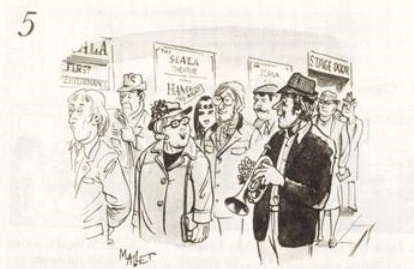
Some people were queuing outside the Scala Theatre for tickets for a
very popular show. They had to wait for several hours, and during
that time they were entertained by a young man who was playing
very nicely on a trumpet. The queue enjoyed his music and put quite
a lot of money in the box that he had on the ground in front of him.
At last one of the people in the queue said to him, 'You: play too
well to be a beggar.
'I'm not a beggar,' the young man said. 'I'm studying to be a
trumpet player in a big band, and I have to practise several hours
every day, so I thought it would be nice to do it in the fresh aiir instead
of in my small room on days when the weather was nice-arad also to
get a bit of money at the same time.'
🔊
درس ۵
بعضی از مردم بیرون تئاتر اسکالا برای گرفتن بلیتِ یک نمایش بسیار محبوب در صف ایستاده بودند. آنها مجبور بودند چندین ساعت منتظر بمانند، و در این مدت یک جوان که خیلی خوب ترومپت مینواخت آنها را سرگرم میکرد. افرادِ داخل صف از موسیقی او لذت بردند و پول نسبتاً زیادی داخل جعبهای که روی زمین جلوی او بود انداختند. ' سرانجام یکی از افرادِ داخل صف به او گفت: «تو آنقدر خوب مینوازی که بخواهی گدا باشی.»‘ «من گدا نیستم،» آن جوان گفت.‘— «من دارم برای ترومپتنواز شدن در یک گروه بزرگ درس میخوانم، و باید هر روز چند ساعت تمرین کنم؛ بنابراین فکر کردم بهتر است این کار را در هوای آزاد انجام بدهم، بهجای اینکه در اتاق کوچکم تمرین کنم، آن هم در روزهایی که هوا خوب است — و در عین حال کمی پول هم به دست بیاورم.»
بعضی از مردم بیرون تئاتر اسکالا برای گرفتن بلیتِ یک نمایش بسیار محبوب در صف ایستاده بودند. آنها مجبور بودند چندین ساعت منتظر بمانند، و در این مدت یک جوان که خیلی خوب ترومپت مینواخت آنها را سرگرم میکرد. افرادِ داخل صف از موسیقی او لذت بردند و پول نسبتاً زیادی داخل جعبهای که روی زمین جلوی او بود انداختند. ' سرانجام یکی از افرادِ داخل صف به او گفت: «تو آنقدر خوب مینوازی که بخواهی گدا باشی.»‘ «من گدا نیستم،» آن جوان گفت.‘— «من دارم برای ترومپتنواز شدن در یک گروه بزرگ درس میخوانم، و باید هر روز چند ساعت تمرین کنم؛ بنابراین فکر کردم بهتر است این کار را در هوای آزاد انجام بدهم، بهجای اینکه در اتاق کوچکم تمرین کنم، آن هم در روزهایی که هوا خوب است — و در عین حال کمی پول هم به دست بیاورم.»
Passage 5
🔊
درس ۵
Some people were queuing outside the Scala Theatre for tickets for a very popular show.
🔊
بعضی از مردم بیرون تئاتر اسکالا برای گرفتن بلیتِ یک نمایش بسیار محبوب در صف ایستاده بودند.
They had to wait for several hours, and during that time they were entertained by a young man who was playing very nicely on a trumpet.
🔊
آنها مجبور بودند چندین ساعت منتظر بمانند، و در این مدت یک جوان که خیلی خوب ترومپت مینواخت آنها را سرگرم میکرد.
The queue enjoyed his music and put quite a lot of money in the box that he had on the ground in front of him.
🔊
افرادِ داخل صف از موسیقی او لذت بردند و پول نسبتاً زیادی داخل جعبهای که روی زمین جلوی او بود انداختند.
At last one of the people in the queue said to him, 'You play too well to be a beggar.
🔊
سرانجام یکی از افرادِ داخل صف به او گفت: «تو آنقدر خوب مینوازی که بخواهی گدا باشی.»
‘I’m not a beggar,’ the young man said.
🔊
«من گدا نیستم،» آن جوان گفت.
‘I’m studying to be a trumpet player in a big band, and I have to practise several hours every day, so I thought it would be nice to do it in the fresh air instead of in my small room on days when the weather was nice—and also to get a bit of money at the same time.’
🔊
«من دارم برای ترومپتنواز شدن در یک گروه بزرگ درس میخوانم، و باید هر روز چند ساعت تمرین کنم؛ بنابراین فکر کردم بهتر است این کار را در هوای آزاد انجام بدهم، بهجای اینکه در اتاق کوچکم تمرین کنم، آن هم در روزهایی که هوا خوب است — و در عین حال کمی پول هم به دست بیاورم.»
Passage 6
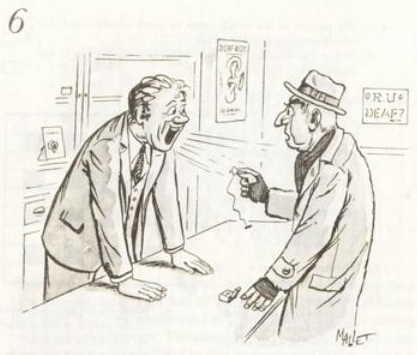
Mr Richards worked in a shop which sold, cleaned and repaired
hearing-aids. One day an old gentleman entered and put one down
in front of him without saying a word.
'What's the matter with it?' Mr Richards said. The man did not
answer, Of course Mr Richards thought that the man must be deaf
and that his hearing-aid must be faulty, so he said again, more
loudly, 'What's wrong with your hearing-aid, sir?" Again the man
said nothing, so Mr Richards shouted his question again as loudly as
he could.
The man then took a a pen and a piece of paper and wrote: 'It isn't
necessary to shout when you're speaking to me. My ears are as good
as yours. This hearing-aid is my wife's, not mine. I've just had a
throat operation, and my problem is not that I can't hear, but that I
can't speak.
🔊
درس ۹
آقای ریچاردز در مغازهای کار میکرد که سمعک میفروخت، تمیز میکرد و تعمیر میکرد. یک روز، یک مرد سالخورده وارد شد و بدون اینکه کلمهای بگوید، یکی را جلوی او گذاشت.‘? آقای ریچاردز گفت: «مشکلش چیست؟» مرد جواب نداد. '-, ?" البته آقای ریچاردز فکر کرد که آن مرد باید ناشنوا باشد و سمعکش هم خراب شده باشد، پس دوباره، این بار با صدای بلندتر، گفت: «سمعکتان چه مشکلی دارد، آقا؟» باز هم مرد چیزی نگفت، بنابراین آقای ریچاردز سؤالش را دوباره، تا جایی که میتوانست با صدای بلند فریاد زد. : ' آن مرد سپس یک خودکار و یک تکه کاغذ برداشت و نوشت: «لازم نیست وقتی با من صحبت میکنی داد بزنی. گوشهای من به خوبی گوشهای تو هستند.» , این سمعک مال همسر من است، نه مال من.. من تازه عمل جراحی گلو انجام دادهام، و مشکل من این نیست که نمیتوانم بشنوم، بلکه این است که نمیتوانم صحبت کنم.
آقای ریچاردز در مغازهای کار میکرد که سمعک میفروخت، تمیز میکرد و تعمیر میکرد. یک روز، یک مرد سالخورده وارد شد و بدون اینکه کلمهای بگوید، یکی را جلوی او گذاشت.‘? آقای ریچاردز گفت: «مشکلش چیست؟» مرد جواب نداد. '-, ?" البته آقای ریچاردز فکر کرد که آن مرد باید ناشنوا باشد و سمعکش هم خراب شده باشد، پس دوباره، این بار با صدای بلندتر، گفت: «سمعکتان چه مشکلی دارد، آقا؟» باز هم مرد چیزی نگفت، بنابراین آقای ریچاردز سؤالش را دوباره، تا جایی که میتوانست با صدای بلند فریاد زد. : ' آن مرد سپس یک خودکار و یک تکه کاغذ برداشت و نوشت: «لازم نیست وقتی با من صحبت میکنی داد بزنی. گوشهای من به خوبی گوشهای تو هستند.» , این سمعک مال همسر من است، نه مال من.. من تازه عمل جراحی گلو انجام دادهام، و مشکل من این نیست که نمیتوانم بشنوم، بلکه این است که نمیتوانم صحبت کنم.
Passage 6
🔊
درس 6
Mr Richards worked in a shop which sold, cleaned and repaired hearing-aids.
🔊
آقای ریچاردز در مغازهای کار میکرد که سمعک میفروخت، تمیز میکرد و تعمیر میکرد.
One day an old gentleman entered and put one down in front of him without saying a word.
🔊
یک روز، یک مرد سالخورده وارد شد و بدون اینکه کلمهای بگوید، یکی را جلوی او گذاشت.
‘What’s the matter with it?’ Mr Richards said.
🔊
آقای ریچاردز گفت: «مشکلش چیست؟»
The man did not answer.
🔊
مرد جواب نداد.
Of course Mr Richards thought that the man must be deaf and that his hearing-aid must be faulty, so he said again, more loudly, 'What’s wrong with your hearing-aid, sir?"
🔊
البته آقای ریچاردز فکر کرد که آن مرد باید ناشنوا باشد و سمعکش هم خراب شده باشد، پس دوباره، این بار با صدای بلندتر، گفت: «سمعکتان چه مشکلی دارد، آقا؟»
Again the man said nothing, so Mr Richards shouted his question again as loudly as he could.
🔊
باز هم مرد چیزی نگفت، بنابراین آقای ریچاردز سؤالش را دوباره، تا جایی که میتوانست با صدای بلند فریاد زد.
The man then took a pen and a piece of paper and wrote: 'It isn’t necessary to shout when you’re speaking to me. My ears are as good as yours.
🔊
آن مرد سپس یک خودکار و یک تکه کاغذ برداشت و نوشت: «لازم نیست وقتی با من صحبت میکنی داد بزنی. گوشهای من به خوبی گوشهای تو هستند.»
This hearing-aid is my wife’s, not mine.
🔊
این سمعک مال همسر من است، نه مال من.
I’ve just had a throat operation, and my problem is not that I can’t hear, but that I can’t speak.
🔊
من تازه عمل جراحی گلو انجام دادهام، و مشکل من این نیست که نمیتوانم بشنوم، بلکه این است که نمیتوانم صحبت کنم.
Passage 7
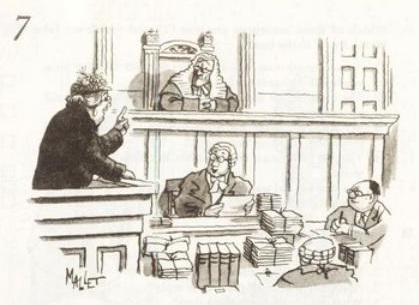
Mrs Grey was old andi deaf, and she was in court, accusing a
neighbour of allowing his dogs to come into her garden, damage he
vegetables and run after her cat and her chickens.
After hearing both sides, the judge thought that it would be best
and cheapest for everybody if Mrs Grey and her neighbour could
come to some sort of arrangement to settle the matter between
themselves, so he asked the lawyer who was representing Mrs Grey
to find out how much momey she wanted from her neighbour in order
to stop the action against him.
Her lawyer explained to her what was happening, but Mrs Grey
could not hear what he said, so he repeated loudly, "The judge wants
to know what you will takie.
'Oh, thank you very much,' Mrs Grey answered politely. 'Please
tell him that I'll have a glass of beer."
🔊
درس ۷
خانم گری پیر و ناشنوا بود و در دادگاه حضور داشت و از همسایهاش شکایت میکرد، چون او اجازه داده بود سگهایش وارد باغچهٔ او شوند، سبزیجات را خراب کنند و به دنبال گربه و مرغهایش بدوند. پس از شنیدن حرفهای هر دو طرف، قاضی فکر کرد که اگر خانم گری و همسایهاش بتوانند به نوعی توافق برسند و موضوع را بین خودشان حلوفصل کنند، برای همه بهتر و کمهزینهتر خواهد بود؛ بنابراین از وکیلی که نمایندهٔ خانم گری بود خواست بفهمد او برای صرفنظر کردن از شکایت علیه همسایهاش چه مقدار پول میخواهد. وکیلش برای او توضیح داد چه اتفاقی دارد میافتد، اما خانم گری نمیتوانست حرفهای او را بشنود، پس او با صدای بلند تکرار کرد: «قاضی میخواهد بداند چه چیزی قبول میکنی / چه مقدار میگیری.» خانم گری با ادب پاسخ داد: «اوه، خیلی ممنونم.»' «لطفاً به او بگویید من یک لیوان آبجو میخورم.»
خانم گری پیر و ناشنوا بود و در دادگاه حضور داشت و از همسایهاش شکایت میکرد، چون او اجازه داده بود سگهایش وارد باغچهٔ او شوند، سبزیجات را خراب کنند و به دنبال گربه و مرغهایش بدوند. پس از شنیدن حرفهای هر دو طرف، قاضی فکر کرد که اگر خانم گری و همسایهاش بتوانند به نوعی توافق برسند و موضوع را بین خودشان حلوفصل کنند، برای همه بهتر و کمهزینهتر خواهد بود؛ بنابراین از وکیلی که نمایندهٔ خانم گری بود خواست بفهمد او برای صرفنظر کردن از شکایت علیه همسایهاش چه مقدار پول میخواهد. وکیلش برای او توضیح داد چه اتفاقی دارد میافتد، اما خانم گری نمیتوانست حرفهای او را بشنود، پس او با صدای بلند تکرار کرد: «قاضی میخواهد بداند چه چیزی قبول میکنی / چه مقدار میگیری.» خانم گری با ادب پاسخ داد: «اوه، خیلی ممنونم.»' «لطفاً به او بگویید من یک لیوان آبجو میخورم.»
Passage 7
🔊
درس ۷
Mrs Grey was old and deaf, and she was in court, accusing a neighbour of allowing his dogs to come into her garden, damage the vegetables and run after her cat and her chickens.
🔊
خانم گری پیر و ناشنوا بود و در دادگاه حضور داشت و از همسایهاش شکایت میکرد، چون او اجازه داده بود سگهایش وارد باغچهٔ او شوند، سبزیجات را خراب کنند و به دنبال گربه و مرغهایش بدوند.
After hearing both sides, the judge thought that it would be best and cheapest for everybody if Mrs Grey and her neighbour could come to some sort of arrangement to settle the matter between themselves, so he asked the lawyer who was representing Mrs Grey to find out how much money she wanted from her neighbour in order to stop the action against him.
🔊
پس از شنیدن حرفهای هر دو طرف، قاضی فکر کرد که اگر خانم گری و همسایهاش بتوانند به نوعی توافق برسند و موضوع را بین خودشان حلوفصل کنند، برای همه بهتر و کمهزینهتر خواهد بود؛ بنابراین از وکیلی که نمایندهٔ خانم گری بود خواست بفهمد او برای صرفنظر کردن از شکایت علیه همسایهاش چه مقدار پول میخواهد.
Her lawyer explained to her what was happening, but Mrs Grey could not hear what he said, so he repeated loudly, “The judge wants to know what you will take.”
🔊
وکیلش برای او توضیح داد چه اتفاقی دارد میافتد، اما خانم گری نمیتوانست حرفهای او را بشنود، پس او با صدای بلند تکرار کرد: «قاضی میخواهد بداند چه چیزی قبول میکنی / چه مقدار میگیری.»
‘Oh, thank you very much,’ Mrs Grey answered politely.
🔊
خانم گری با ادب پاسخ داد: «اوه، خیلی ممنونم.»
'Please tell him that I’ll have a glass of beer."
🔊
«لطفاً به او بگویید من یک لیوان آبجو میخورم.»
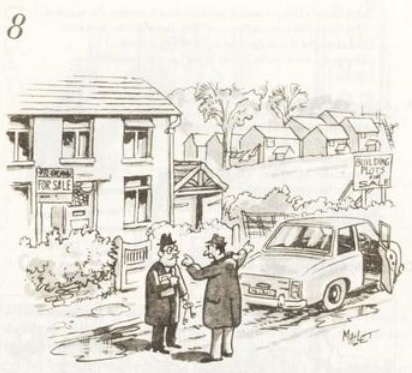
Passage 8
A man who was bored with living in London and desired to move to
the country was looking for a house from which he could get to his
office in the city easily every day. One day he saw an advertisement
for a suitable house in Hampshire which was claimed to be within a
stone's throw of a railway station from which there were frequent
trains to London.
He telephoned the house agency and arranged to go down by train
the next day and have a look at the house.
The house agent met him at the station and they drove to the
house, which was at least a kilometre from the station.
The man who had come to see the house turned to the house agent
when they reached it and objected, '1 should be very interested to
meet the man who threw that stone you mentioned in your advertise-
ment!
🔊
درس ۸
مردی که از زندگی در لندن خسته شده بود و میخواست به روستا نقل مکان کند، دنبال خانهای میگشت که از آن بتواند هر روز بهراحتی به دفتر کارش در شهر برسد. یک روز، آگهیِ خانهای مناسب در همپشایر را دید که گفته میشد در فاصلهای بسیار نزدیک از ایستگاه راهآهنی قرار دارد؛ ایستگاهی که از آن قطارهای مکرر به لندن میرفتند. او با بنگاه معاملات ملکی تلفنی تماس گرفت و قرار گذاشت که روز بعد با قطار برود و خانه را از نزدیک ببیند. بنگاهدار در ایستگاه به استقبال او آمد و با هم به سمت خانه رفتند؛ خانهای که دستکم یک کیلومتر از ایستگاه فاصله داشت. ' ! مردی که برای دیدن خانه آمده بود، وقتی به آنجا رسید رو به بنگاهدار کرد و اعتراضآمیز گفت: «خیلی مایلم آن مردی را ببینم که آن سنگ را که در آگهیتان اشاره کرده بودید، پرتاب کرده است!»
مردی که از زندگی در لندن خسته شده بود و میخواست به روستا نقل مکان کند، دنبال خانهای میگشت که از آن بتواند هر روز بهراحتی به دفتر کارش در شهر برسد. یک روز، آگهیِ خانهای مناسب در همپشایر را دید که گفته میشد در فاصلهای بسیار نزدیک از ایستگاه راهآهنی قرار دارد؛ ایستگاهی که از آن قطارهای مکرر به لندن میرفتند. او با بنگاه معاملات ملکی تلفنی تماس گرفت و قرار گذاشت که روز بعد با قطار برود و خانه را از نزدیک ببیند. بنگاهدار در ایستگاه به استقبال او آمد و با هم به سمت خانه رفتند؛ خانهای که دستکم یک کیلومتر از ایستگاه فاصله داشت. ' ! مردی که برای دیدن خانه آمده بود، وقتی به آنجا رسید رو به بنگاهدار کرد و اعتراضآمیز گفت: «خیلی مایلم آن مردی را ببینم که آن سنگ را که در آگهیتان اشاره کرده بودید، پرتاب کرده است!»
Passage 8
🔊
درس ۸
A man who was bored with living in London and desired to move to the country was looking for a house from which he could get to his office in the city easily every day.
🔊
مردی که از زندگی در لندن خسته شده بود و میخواست به روستا نقل مکان کند، دنبال خانهای میگشت که از آن بتواند هر روز بهراحتی به دفتر کارش در شهر برسد.
One day he saw an advertisement for a suitable house in Hampshire which was claimed to be within a stone’s throw of a railway station from which there were frequent trains to London.
🔊
یک روز، آگهیِ خانهای مناسب در همپشایر را دید که گفته میشد در فاصلهای بسیار نزدیک از ایستگاه راهآهنی قرار دارد؛ ایستگاهی که از آن قطارهای مکرر به لندن میرفتند.
He telephoned the house agency and arranged to go down by train the next day and have a look at the house.
🔊
او با بنگاه معاملات ملکی تلفنی تماس گرفت و قرار گذاشت که روز بعد با قطار برود و خانه را از نزدیک ببیند.
The house agent met him at the station and they drove to the house, which was at least a kilometre from the station.
🔊
بنگاهدار در ایستگاه به استقبال او آمد و با هم به سمت خانه رفتند؛ خانهای که دستکم یک کیلومتر از ایستگاه فاصله داشت.
The man who had come to see the house turned to the house agent when they reached it and objected, 'I should be very interested to meet the man who threw that stone you mentioned in your advertisement!
🔊
مردی که برای دیدن خانه آمده بود، وقتی به آنجا رسید رو به بنگاهدار کرد و اعتراضآمیز گفت: «خیلی مایلم آن مردی را ببینم که آن سنگ را که در آگهیتان اشاره کرده بودید، پرتاب کرده است!»
Passage 9
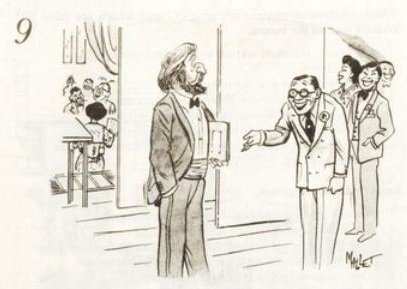
A famous writer who was visiting Japan was invited to give a lecture
at a university to a large group of students. As most of them could not
inderstand spoken English, he had to have an interpreter.
During his lecture he told an amusing story which went on for
her a long time. At last he stopped to allow the interpreter to
nslate it into Japanese, and was very surprised when the man did
this in a few seconds, after which all the students laughed loudly.
After the lecture, the writer thanked the interpreter for his good
work and then said to him, 'Now please tell me how you translated
that long story of mine into such a short Japanese one.
'I didn't tell the story at all,' the interpreter answered with a smile.
'I just said, "The honourable lecturer has just told a funny story.
ou will all laugh, please."
🔊
درس ۹
یک نویسندهٔ مشهور که به ژاپن سفر کرده بود، دعوت شد تا برای گروه بزرگی از دانشجویان در یک دانشگاه سخنرانی کند. از آنجا که بیشتر آنها انگلیسیِ گفتاری را نمیفهمیدند، او مجبور بود مترجم داشته باشد. در طول سخنرانیاش، داستانی سرگرمکننده تعریف کرد که خیلی طول کشید. سرانجام مکث کرد تا مترجم آن را به ژاپنی ترجمه کند، و وقتی دید مرد این کار را در چند ثانیه انجام داد، بسیار تعجب کرد؛ پس از آن همهٔ دانشجویان با صدای بلند خندیدند. ' پس از سخنرانی، نویسنده از مترجم به خاطر کار خوبش تشکر کرد و سپس به او گفت: «حالا لطفاً به من بگو چطور آن داستان بلند مرا به یک نسخهٔ ژاپنیِ اینقدر کوتاه ترجمه کردی.»‘ مترجم با لبخند پاسخ داد: «من اصلاً داستان را تعریف نکردم.»' «فقط گفتم: “سخنران محترم همین الان یک داستان خندهدار تعریف کرد. لطفاً همه بخندید.”»
یک نویسندهٔ مشهور که به ژاپن سفر کرده بود، دعوت شد تا برای گروه بزرگی از دانشجویان در یک دانشگاه سخنرانی کند. از آنجا که بیشتر آنها انگلیسیِ گفتاری را نمیفهمیدند، او مجبور بود مترجم داشته باشد. در طول سخنرانیاش، داستانی سرگرمکننده تعریف کرد که خیلی طول کشید. سرانجام مکث کرد تا مترجم آن را به ژاپنی ترجمه کند، و وقتی دید مرد این کار را در چند ثانیه انجام داد، بسیار تعجب کرد؛ پس از آن همهٔ دانشجویان با صدای بلند خندیدند. ' پس از سخنرانی، نویسنده از مترجم به خاطر کار خوبش تشکر کرد و سپس به او گفت: «حالا لطفاً به من بگو چطور آن داستان بلند مرا به یک نسخهٔ ژاپنیِ اینقدر کوتاه ترجمه کردی.»‘ مترجم با لبخند پاسخ داد: «من اصلاً داستان را تعریف نکردم.»' «فقط گفتم: “سخنران محترم همین الان یک داستان خندهدار تعریف کرد. لطفاً همه بخندید.”»
Passage 9
🔊
درس ۹
A famous writer who was visiting Japan was invited to give a lecture at a university to a large group of students.
🔊
یک نویسندهٔ مشهور که به ژاپن سفر کرده بود، دعوت شد تا برای گروه بزرگی از دانشجویان در یک دانشگاه سخنرانی کند.
As most of them could not understand spoken English, he had to have an interpreter.
🔊
از آنجا که بیشتر آنها انگلیسیِ گفتاری را نمیفهمیدند، او مجبور بود مترجم داشته باشد.
During his lecture he told an amusing story which went on for a long time.
🔊
در طول سخنرانیاش، داستانی سرگرمکننده تعریف کرد که خیلی طول کشید.
At last he stopped to allow the interpreter to translate it into Japanese, and was very surprised when the man did this in a few seconds, after which all the students laughed loudly.
🔊
سرانجام مکث کرد تا مترجم آن را به ژاپنی ترجمه کند، و وقتی دید مرد این کار را در چند ثانیه انجام داد، بسیار تعجب کرد؛ پس از آن همهٔ دانشجویان با صدای بلند خندیدند.
After the lecture, the writer thanked the interpreter for his good work and then said to him, 'Now please tell me how you translated that long story of mine into such a short Japanese one.
🔊
پس از سخنرانی، نویسنده از مترجم به خاطر کار خوبش تشکر کرد و سپس به او گفت: «حالا لطفاً به من بگو چطور آن داستان بلند مرا به یک نسخهٔ ژاپنیِ اینقدر کوتاه ترجمه کردی.»
‘I didn’t tell the story at all,’ the interpreter answered with a smile.
🔊
مترجم با لبخند پاسخ داد: «من اصلاً داستان را تعریف نکردم.»
'I just said, “The honourable lecturer has just told a funny story. You will all laugh, please.”
🔊
«فقط گفتم: “سخنران محترم همین الان یک داستان خندهدار تعریف کرد. لطفاً همه بخندید.”»
Passage 10
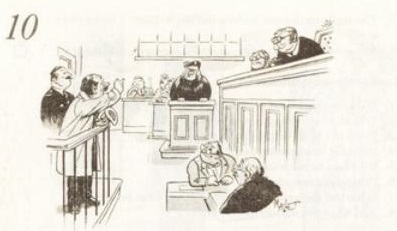
Mr Williams was a gardener and a very good one too. Last year he
came to work for Mrs Ellphinstone, who was old, fat and rich.
She knew nothing about gardens, but thought that she knew a lot,
and was always interfering. One day Mr Williams got angry with
Mrs Elphinstone and called her an clephant. She did not like that at
all, so she went to a lawwer, and a few months later Mr Williams was
in court, accused of calling Mrs Elphinstone an elephant. The
magistrate found Mr Williams guilty, so Mr Williams said to him,
'Does that mean that I lam not allowed to call this lady an elephant
any more?
"That is quite corrects' the magistrate answered.
'And am I allowed to call an elephant a lady?" the gardener asked.
'Yes, certainly,' the magistrate answered.
Mr Williams looked: at Mrs Elphinstone and said, 'Goodbye,
lady.
🔊
درس ۱۰
آقای ویلیامز باغبان بود، و آن هم باغبانی بسیار خوب. سال گذشته او برای کار نزد خانم الفینستون آمد؛ زنی که پیر، چاق و ثروتمند بود. او دربارهٔ باغها هیچ چیزی نمیدانست، اما فکر میکرد خیلی چیزها میداند و همیشه در کارها دخالت میکرد. روزی آقای ویلیامز از دست خانم الفینستون عصبانی شد و او را «فیل» خطاب کرد. او اصلاً از این حرف خوشش نیامد، بنابراین پیش یک وکیل رفت و چند ماه بعد آقای ویلیامز در دادگاه حاضر شد و به خاطر اینکه خانم الفینستون را فیل خطاب کرده بود، متهم شد. ? قاضی آقای ویلیامز را گناهکار تشخیص داد، بنابراین آقای ویلیامز به او گفت: «آیا این یعنی دیگر اجازه ندارم این خانم را فیل صدا کنم؟»“ قاضی پاسخ داد: «بله، کاملاً درست است.»' ?" باغبان پرسید: «و آیا اجازه دارم به یک فیل بگویم خانم؟» قاضی پاسخ داد: «بله، البته.» ', . آقای ویلیامز به خانم الفینستون نگاه کرد و گفت: «خداحافظ، خانم.»
آقای ویلیامز باغبان بود، و آن هم باغبانی بسیار خوب. سال گذشته او برای کار نزد خانم الفینستون آمد؛ زنی که پیر، چاق و ثروتمند بود. او دربارهٔ باغها هیچ چیزی نمیدانست، اما فکر میکرد خیلی چیزها میداند و همیشه در کارها دخالت میکرد. روزی آقای ویلیامز از دست خانم الفینستون عصبانی شد و او را «فیل» خطاب کرد. او اصلاً از این حرف خوشش نیامد، بنابراین پیش یک وکیل رفت و چند ماه بعد آقای ویلیامز در دادگاه حاضر شد و به خاطر اینکه خانم الفینستون را فیل خطاب کرده بود، متهم شد. ? قاضی آقای ویلیامز را گناهکار تشخیص داد، بنابراین آقای ویلیامز به او گفت: «آیا این یعنی دیگر اجازه ندارم این خانم را فیل صدا کنم؟»“ قاضی پاسخ داد: «بله، کاملاً درست است.»' ?" باغبان پرسید: «و آیا اجازه دارم به یک فیل بگویم خانم؟» قاضی پاسخ داد: «بله، البته.» ', . آقای ویلیامز به خانم الفینستون نگاه کرد و گفت: «خداحافظ، خانم.»
Passage 10
🔊
درس ۱۰
Mr Williams was a gardener and a very good one too.
🔊
آقای ویلیامز باغبان بود، و آن هم باغبانی بسیار خوب.
Last year he came to work for Mrs Ellphinstone, who was old, fat and rich.
🔊
سال گذشته او برای کار نزد خانم الفینستون آمد؛ زنی که پیر، چاق و ثروتمند بود.
She knew nothing about gardens, but thought that she knew a lot, and was always interfering.
🔊
او دربارهٔ باغها هیچ چیزی نمیدانست، اما فکر میکرد خیلی چیزها میداند و همیشه در کارها دخالت میکرد.
One day Mr Williams got angry with Mrs Elphinstone and called her an elephant.
🔊
روزی آقای ویلیامز از دست خانم الفینستون عصبانی شد و او را «فیل» خطاب کرد.
She did not like that at all, so she went to a lawyer, and a few months later Mr Williams was in court, accused of calling Mrs Elphinstone an elephant.
🔊
او اصلاً از این حرف خوشش نیامد، بنابراین پیش یک وکیل رفت و چند ماه بعد آقای ویلیامز در دادگاه حاضر شد و به خاطر اینکه خانم الفینستون را فیل خطاب کرده بود، متهم شد.
The magistrate found Mr Williams guilty, so Mr Williams said to him, ‘Does that mean that I am not allowed to call this lady an elephant any more?’
🔊
قاضی آقای ویلیامز را گناهکار تشخیص داد، بنابراین آقای ویلیامز به او گفت: «آیا این یعنی دیگر اجازه ندارم این خانم را فیل صدا کنم؟»
“That is quite correct,” the magistrate answered.
🔊
قاضی پاسخ داد: «بله، کاملاً درست است.»
'And am I allowed to call an elephant a lady?" the gardener asked.
🔊
باغبان پرسید: «و آیا اجازه دارم به یک فیل بگویم خانم؟»
‘Yes, certainly,’ the magistrate answered.
🔊
قاضی پاسخ داد: «بله، البته.»
Mr Williams looked at Mrs Elphinstone and said, 'Goodbye, lady.
🔊
آقای ویلیامز به خانم الفینستون نگاه کرد و گفت: «خداحافظ، خانم.»
Passage 11
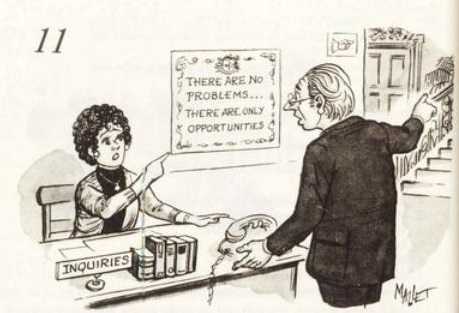
There are lots of different kinds of Christian groups in the world, and
one of them decided that they would adopt the motto: "There are no
problems. There are only opportunities. 'People think too much
about difficulties which prevent them from doing good deeds,' they
said, 'and not enouigh about things that help them to do them.
Once this group was having a big conference in a hotel, when one
of the members came up to the conference inquiries desk and said to
the girl behind it, Excuse me, miss, but I have a problem.
The girl pointed to the motto, and said to the man, 'No, sir, you
haven't got a probliem. You only have an opportunity.
The man smiled patiently at her and answered, 'Well, you can call
it whatever you likie, but there's a young woman in the room I was
given when I arrived twenty minutes ago.'
🔊
درس ۱۱
در جهان، گروههای مختلف زیادی از مسیحیان وجود دارند، و یکی از آنها تصمیم گرفت شعار زیر را بپذیرد: «مشکلی وجود ندارد. فقط فرصت وجود دارد.» ' آنها گفتند: «مردم بیش از حد به دشواریهایی فکر میکنند که مانع انجام کارهای نیک میشوند، و به اندازهٔ کافی به چیزهایی فکر نمیکنند که به آنها در انجام این کارها کمک میکنند.» , روزی این گروه کنفرانس بزرگی را در یک هتل برگزار میکرد، که یکی از اعضا به میز پرسشهای کنفرانس رفت و به دختری که پشت میز بود گفت: «ببخشید خانم، اما من یک مشکل دارم.» ', دختر به شعار اشاره کرد و به مرد گفت: «نه آقا، شما مشکل ندارید. شما فقط یک فرصت دارید.» مرد با حوصله به او لبخند زد و پاسخ داد: «خب، هر اسمی که دوست دارید روی آن بگذارید، اما در اتاقی که بیست دقیقه پیش به من داده شد، یک زن جوان هست.»
در جهان، گروههای مختلف زیادی از مسیحیان وجود دارند، و یکی از آنها تصمیم گرفت شعار زیر را بپذیرد: «مشکلی وجود ندارد. فقط فرصت وجود دارد.» ' آنها گفتند: «مردم بیش از حد به دشواریهایی فکر میکنند که مانع انجام کارهای نیک میشوند، و به اندازهٔ کافی به چیزهایی فکر نمیکنند که به آنها در انجام این کارها کمک میکنند.» , روزی این گروه کنفرانس بزرگی را در یک هتل برگزار میکرد، که یکی از اعضا به میز پرسشهای کنفرانس رفت و به دختری که پشت میز بود گفت: «ببخشید خانم، اما من یک مشکل دارم.» ', دختر به شعار اشاره کرد و به مرد گفت: «نه آقا، شما مشکل ندارید. شما فقط یک فرصت دارید.» مرد با حوصله به او لبخند زد و پاسخ داد: «خب، هر اسمی که دوست دارید روی آن بگذارید، اما در اتاقی که بیست دقیقه پیش به من داده شد، یک زن جوان هست.»
Passage 11
🔊
درس ۱۱
There are lots of different kinds of Christian groups in the world, and one of them decided that they would adopt the motto: “There are no problems. There are only opportunities.”
🔊
در جهان، گروههای مختلف زیادی از مسیحیان وجود دارند، و یکی از آنها تصمیم گرفت شعار زیر را بپذیرد: «مشکلی وجود ندارد. فقط فرصت وجود دارد.»
People think too much about difficulties which prevent them from doing good deeds,’ they said, 'and not enough about things that help them to do them.
🔊
آنها گفتند: «مردم بیش از حد به دشواریهایی فکر میکنند که مانع انجام کارهای نیک میشوند، و به اندازهٔ کافی به چیزهایی فکر نمیکنند که به آنها در انجام این کارها کمک میکنند.»
Once this group was having a big conference in a hotel, when one of the members came up to the conference inquiries desk and said to the girl behind it, Excuse me, miss, but I have a problem.
🔊
روزی این گروه کنفرانس بزرگی را در یک هتل برگزار میکرد، که یکی از اعضا به میز پرسشهای کنفرانس رفت و به دختری که پشت میز بود گفت: «ببخشید خانم، اما من یک مشکل دارم.»
The girl pointed to the motto, and said to the man, 'No, sir, you haven’t got a problem. You only have an opportunity.
🔊
دختر به شعار اشاره کرد و به مرد گفت: «نه آقا، شما مشکل ندارید. شما فقط یک فرصت دارید.»
The man smiled patiently at her and answered, ‘Well, you can call it whatever you like, but there’s a young woman in the room I was given when I arrived twenty minutes ago.’
🔊
مرد با حوصله به او لبخند زد و پاسخ داد: «خب، هر اسمی که دوست دارید روی آن بگذارید، اما در اتاقی که بیست دقیقه پیش به من داده شد، یک زن جوان هست.»
Passage 12
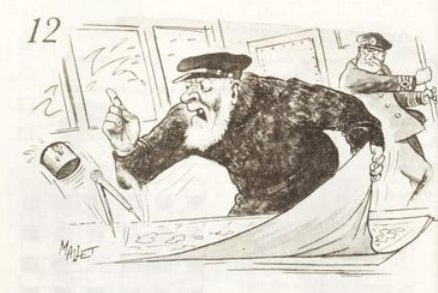
The cautious captain of a small ship had to go along a coast with
which he was unfamiliar, so he tried to find a a qualified pilot to guide
him. He went ashore in one of the small ports where his ship stopped,
and a local fisherman pretended that he was one because he needed
some money. The captain took him on board and let him tell him
where to steer the ship.
After half an hour the captain began to suspect that the fisherman
did not really know what he was doing or where he was going so he
said to him, 'Are you sure you are a qualified pilot?
'Oh, yes, answered the fisherman. 'I know every rock on this part
of the coast.' Suddenly there was a terrible tearing sound from under
the ship. At once the fisherman added, 'And that's one of them.
🔊
درس ۱۲
کاپیتان محتاطِ یک کشتی کوچک باید در امتداد ساحلی حرکت میکرد که با آن آشنا نبود، بنابراین تلاش کرد یک راهنمای دریانوردِ ماهر پیدا کند تا او را هدایت کند. او در یکی از بندرهای کوچکی که کشتیاش در آن توقف کرده بود به ساحل رفت، و یک ماهیگیر محلی وانمود کرد که آن راهنماست، چون به مقداری پول نیاز داشت. کاپیتان او را سوار کشتی کرد و اجازه داد به او بگوید کشتی را به کدام سمت هدایت کند. ? پس از نیم ساعت، کاپیتان شروع کرد به شک کردن که آن ماهیگیر واقعاً نمیداند چه میکند یا کجا میرود، بنابراین به او گفت: «آیا مطمئنی که یک راهنمای دریانوردِ ماهر هستی؟»', ماهیگیر پاسخ داد: «اوه، بله. من تکتک صخرههای این قسمت ساحل را میشناسم.» ناگهان از زیر کشتی صدای مهیبِ پارگی/خراشیدهشدن شدیدی بلند شد. ' ماهیگیر فوراً اضافه کرد: «و این یکی از همانهاست.»
کاپیتان محتاطِ یک کشتی کوچک باید در امتداد ساحلی حرکت میکرد که با آن آشنا نبود، بنابراین تلاش کرد یک راهنمای دریانوردِ ماهر پیدا کند تا او را هدایت کند. او در یکی از بندرهای کوچکی که کشتیاش در آن توقف کرده بود به ساحل رفت، و یک ماهیگیر محلی وانمود کرد که آن راهنماست، چون به مقداری پول نیاز داشت. کاپیتان او را سوار کشتی کرد و اجازه داد به او بگوید کشتی را به کدام سمت هدایت کند. ? پس از نیم ساعت، کاپیتان شروع کرد به شک کردن که آن ماهیگیر واقعاً نمیداند چه میکند یا کجا میرود، بنابراین به او گفت: «آیا مطمئنی که یک راهنمای دریانوردِ ماهر هستی؟»', ماهیگیر پاسخ داد: «اوه، بله. من تکتک صخرههای این قسمت ساحل را میشناسم.» ناگهان از زیر کشتی صدای مهیبِ پارگی/خراشیدهشدن شدیدی بلند شد. ' ماهیگیر فوراً اضافه کرد: «و این یکی از همانهاست.»
Passage 12
🔊
درس ۱۲
The cautious captain of a small ship had to go along a coast with which he was unfamiliar, so he tried to find a qualified pilot to guide him.
🔊
کاپیتان محتاطِ یک کشتی کوچک باید در امتداد ساحلی حرکت میکرد که با آن آشنا نبود، بنابراین تلاش کرد یک راهنمای دریانوردِ ماهر پیدا کند تا او را هدایت کند.
He went ashore in one of the small ports where his ship stopped, and a local fisherman pretended that he was one because he needed some money.
🔊
او در یکی از بندرهای کوچکی که کشتیاش در آن توقف کرده بود به ساحل رفت، و یک ماهیگیر محلی وانمود کرد که آن راهنماست، چون به مقداری پول نیاز داشت.
The captain took him on board and let him tell him where to steer the ship.
🔊
کاپیتان او را سوار کشتی کرد و اجازه داد به او بگوید کشتی را به کدام سمت هدایت کند.
After half an hour the captain began to suspect that the fisherman did not really know what he was doing or where he was going so he said to him, ‘Are you sure you are a qualified pilot?’
🔊
پس از نیم ساعت، کاپیتان شروع کرد به شک کردن که آن ماهیگیر واقعاً نمیداند چه میکند یا کجا میرود، بنابراین به او گفت: «آیا مطمئنی که یک راهنمای دریانوردِ ماهر هستی؟»
'Oh, yes, answered the fisherman. ‘I know every rock on this part of the coast.’
🔊
ماهیگیر پاسخ داد: «اوه، بله. من تکتک صخرههای این قسمت ساحل را میشناسم.»
Suddenly there was a terrible tearing sound from under the ship.
🔊
ناگهان از زیر کشتی صدای مهیبِ پارگی/خراشیدهشدن شدیدی بلند شد.
At once the fisherman added, 'And that’s one of them.
🔊
ماهیگیر فوراً اضافه کرد: «و این یکی از همانهاست.»
Passage 13
A lot of people go to the seaside for their holidays, and the various
towns try to organize entertainment for them.
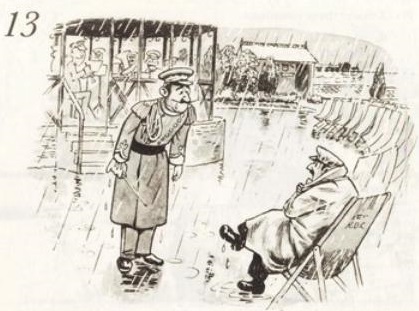
In one seaside holiday town in the south of England, arrangements
were made for a band to play outdoors in a public park every evening
for a week. Unfortunately it rained the first evening, and although
the band performed well, there was only one person in the audience
because, although the band was under cover, the audience were not.
The man was sitting in a chair, wearing a waterproof hat and coaz.
After an hour, the conductor of the band went to this man and
inquired whether he had a special request.
'Yes, I have,' said the man. 'Please finish as as soon as you can. I'n
the keeper of this park, and I want to lock the gates and go home.'
🔊
درس ۱۳
بسیاری از مردم برای تعطیلات به کنار دریا میروند، و شهرهای مختلف تلاش میکنند برای آنها برنامههای سرگرمکننده ترتیب دهند. در یکی از شهرهای تفریحی ساحلی در جنوب انگلستان، ترتیبی داده شد که یک گروه موسیقی به مدت یک هفته، هر شب در یک پارک عمومی در فضای باز اجرا کند. متأسفانه شب اول باران بارید، و با اینکه گروه موسیقی خوب اجرا کرد، فقط یک نفر در میان تماشاگران بود، چون اگرچه گروه زیر سقف/پناه بود، اما تماشاگران نبودند. آن مرد روی یک صندلی نشسته بود و کلاه و بارانیِ ضدآب به تن داشت. پس از یک ساعت، رهبر گروه موسیقی به سراغ آن مرد رفت و پرسید آیا درخواست ویژهای دارد. مرد گفت: «بله، دارم.»' «لطفاً هرچه زودتر تمام کنید.» «من نگهبان این پارکم، و میخواهم دروازهها را قفل کنم و به خانه بروم.»
بسیاری از مردم برای تعطیلات به کنار دریا میروند، و شهرهای مختلف تلاش میکنند برای آنها برنامههای سرگرمکننده ترتیب دهند. در یکی از شهرهای تفریحی ساحلی در جنوب انگلستان، ترتیبی داده شد که یک گروه موسیقی به مدت یک هفته، هر شب در یک پارک عمومی در فضای باز اجرا کند. متأسفانه شب اول باران بارید، و با اینکه گروه موسیقی خوب اجرا کرد، فقط یک نفر در میان تماشاگران بود، چون اگرچه گروه زیر سقف/پناه بود، اما تماشاگران نبودند. آن مرد روی یک صندلی نشسته بود و کلاه و بارانیِ ضدآب به تن داشت. پس از یک ساعت، رهبر گروه موسیقی به سراغ آن مرد رفت و پرسید آیا درخواست ویژهای دارد. مرد گفت: «بله، دارم.»' «لطفاً هرچه زودتر تمام کنید.» «من نگهبان این پارکم، و میخواهم دروازهها را قفل کنم و به خانه بروم.»
Passage 13
🔊
درس ۱۳
A lot of people go to the seaside for their holidays, and the various towns try to organize entertainment for them.
🔊
بسیاری از مردم برای تعطیلات به کنار دریا میروند، و شهرهای مختلف تلاش میکنند برای آنها برنامههای سرگرمکننده ترتیب دهند.
In one seaside holiday town in the south of England, arrangements were made for a band to play outdoors in a public park every evening for a week.
🔊
در یکی از شهرهای تفریحی ساحلی در جنوب انگلستان، ترتیبی داده شد که یک گروه موسیقی به مدت یک هفته، هر شب در یک پارک عمومی در فضای باز اجرا کند.
Unfortunately it rained the first evening, and although the band performed well, there was only one person in the audience because, although the band was under cover, the audience were not.
🔊
متأسفانه شب اول باران بارید، و با اینکه گروه موسیقی خوب اجرا کرد، فقط یک نفر در میان تماشاگران بود، چون اگرچه گروه زیر سقف/پناه بود، اما تماشاگران نبودند.
The man was sitting in a chair, wearing a waterproof hat and coat.
🔊
آن مرد روی یک صندلی نشسته بود و کلاه و بارانیِ ضدآب به تن داشت.
After an hour, the conductor of the band went to this man and inquired whether he had a special request.
🔊
پس از یک ساعت، رهبر گروه موسیقی به سراغ آن مرد رفت و پرسید آیا درخواست ویژهای دارد.
‘Yes, I have,’ said the man.
🔊
مرد گفت: «بله، دارم.»
'Please finish as as soon as you can.
🔊
«لطفاً هرچه زودتر تمام کنید.»
I’n the keeper of this park, and I want to lock the gates and go home.’
🔊
«من نگهبان این پارکم، و میخواهم دروازهها را قفل کنم و به خانه بروم.»
Passage 14
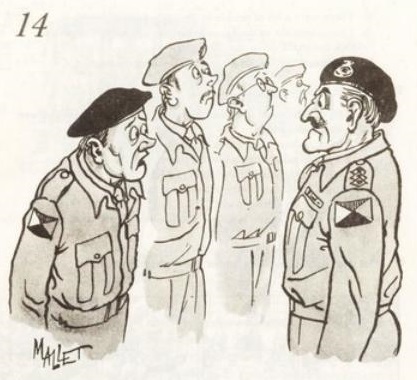
A very strict officer was talking to some new soldiers whom he had to
train. He had never seen them before, so he began: 'My name is
Stone, and I'm even harder than stone, so do what I tell you or
there'll be trouble. Don't try any tricks with me, and then we'll get on
well together.
Then he went to each soldier one after the other and asked him his
name. 'Speak loudly so that everyone can hear you clearly,' he said,
'and don't forget to call me "sir".
Each soldier told him his name, until he came to the last one. This
man remained silent, and so Captain Stone shouted at him, When I
ask you a question, answer it! I'll ask you again: what's your name,
soldier?
The soldier was very unhappy, but at last he replied. 'My name's
Stonebreaker, sir,' he said nervously.
🔊
درس ۱۴
یک افسر بسیار سختگیر داشت با چند سرباز تازهوارد صحبت میکرد که باید آنها را آموزش میداد. : ' او قبلاً هرگز آنها را ندیده بود، پس شروع کرد: «اسم من استون است، و من حتی از سنگ هم سختگیرترم، پس هرچه به شما میگویم انجام دهید وگرنه دردسر پیش خواهد آمد.» «با من زرنگبازی نکنید، آنوقت با هم بهخوبی کنار خواهیم آمد.» سپس به سراغ تکتک سربازها رفت و از هر کدام نامش را پرسید. ' “”. او گفت: «بلند حرف بزنید تا همه بتوانند واضح صدایتان را بشنوند، و فراموش نکنید مرا “قربان” صدا کنید.» هر سرباز نامش را به او گفت تا اینکه به آخرین نفر رسید. ! این مرد سکوت کرد، و به همین دلیل کاپیتان استون بر سرش فریاد زد: «وقتی از تو سؤالی میپرسم، جواب بده!»: ? «دوباره از تو میپرسم: اسمت چیست، سرباز؟» سرباز بسیار ناراحت بود، اما سرانجام پاسخ داد.‘ گفت: «اسم من استونبِرِیکِر است، قربان»، و با اضطراب این را گفت.
یک افسر بسیار سختگیر داشت با چند سرباز تازهوارد صحبت میکرد که باید آنها را آموزش میداد. : ' او قبلاً هرگز آنها را ندیده بود، پس شروع کرد: «اسم من استون است، و من حتی از سنگ هم سختگیرترم، پس هرچه به شما میگویم انجام دهید وگرنه دردسر پیش خواهد آمد.» «با من زرنگبازی نکنید، آنوقت با هم بهخوبی کنار خواهیم آمد.» سپس به سراغ تکتک سربازها رفت و از هر کدام نامش را پرسید. ' “”. او گفت: «بلند حرف بزنید تا همه بتوانند واضح صدایتان را بشنوند، و فراموش نکنید مرا “قربان” صدا کنید.» هر سرباز نامش را به او گفت تا اینکه به آخرین نفر رسید. ! این مرد سکوت کرد، و به همین دلیل کاپیتان استون بر سرش فریاد زد: «وقتی از تو سؤالی میپرسم، جواب بده!»: ? «دوباره از تو میپرسم: اسمت چیست، سرباز؟» سرباز بسیار ناراحت بود، اما سرانجام پاسخ داد.‘ گفت: «اسم من استونبِرِیکِر است، قربان»، و با اضطراب این را گفت.
Passage 14
🔊
درس ۱۴
A very strict officer was talking to some new soldiers whom he had to train.
🔊
یک افسر بسیار سختگیر داشت با چند سرباز تازهوارد صحبت میکرد که باید آنها را آموزش میداد.
He had never seen them before, so he began: 'My name is Stone, and I’m even harder than stone, so do what I tell you or there’ll be trouble.
🔊
او قبلاً هرگز آنها را ندیده بود، پس شروع کرد: «اسم من استون است، و من حتی از سنگ هم سختگیرترم، پس هرچه به شما میگویم انجام دهید وگرنه دردسر پیش خواهد آمد.»
Don’t try any tricks with me, and then we’ll get on well together.
🔊
«با من زرنگبازی نکنید، آنوقت با هم بهخوبی کنار خواهیم آمد.»
Then he went to each soldier one after the other and asked him his name.
🔊
سپس به سراغ تکتک سربازها رفت و از هر کدام نامش را پرسید.
‘Speak loudly so that everyone can hear you clearly,’ he said, 'and don’t forget to call me “sir”.
🔊
او گفت: «بلند حرف بزنید تا همه بتوانند واضح صدایتان را بشنوند، و فراموش نکنید مرا “قربان” صدا کنید.»
Each soldier told him his name, until he came to the last one.
🔊
هر سرباز نامش را به او گفت تا اینکه به آخرین نفر رسید.
This man remained silent, and so Captain Stone shouted at him, When I ask you a question, answer it!
🔊
این مرد سکوت کرد، و به همین دلیل کاپیتان استون بر سرش فریاد زد: «وقتی از تو سؤالی میپرسم، جواب بده!»
I’ll ask you again: what’s your name, soldier?
🔊
«دوباره از تو میپرسم: اسمت چیست، سرباز؟»
The soldier was very unhappy, but at last he replied.
🔊
سرباز بسیار ناراحت بود، اما سرانجام پاسخ داد.
‘My name’s Stonebreaker, sir,’ he said nervously.
🔊
گفت: «اسم من استونبِرِیکِر است، قربان»، و با اضطراب این را گفت.
Passage 15
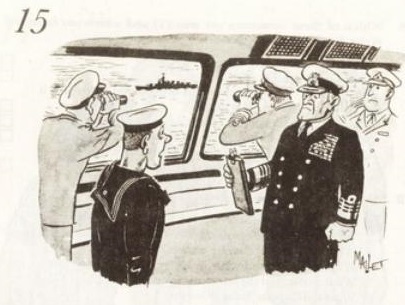
An old admiral was famous in the navy for his bad temper, so
everyone tried hard not to annoy him. One week his ships were going
to take part in a big international exercise, so he came on board in the
evening, had his dinner and then went to bed. In the morning he had
his breakfast early, came up to the bridge and examined the ships in
his group carefully. Then he said angrily, There should be two
cruisers in this group, but I can only see one. Where's the other?" No
one dared to answer, and this made the admiral even angrier. His
face became redder and redder.
'Well?" he shouted. 'What are you fools hiding from me? Where's
the second cruiser? What's happened to it? Answer me!"
At last a young sailor found enough courage to speak.
'Please, sir,' he said, 'you're on it."
🔊
درس ۱۵
یک دریادار پیر در نیروی دریایی به بدخلقیاش مشهور بود، بنابراین همه سعی میکردند او را ناراحت نکنند. یک هفته، قرار بود کشتیهای او در یک رزمایش بزرگ بینالمللی شرکت کنند، بنابراین او عصر سوار کشتی شد، شامش را خورد و سپس به رختخواب رفت. صبح، او زود صبحانه خورد، به پل فرماندهی آمد و کشتیهای گروه خود را با دقت بررسی کرد. سپس با عصبانیت گفت: «باید دو رزمناو در این گروه باشد، اما من فقط یکی میبینم.»?" «آن یکی کجاست؟» هیچکس جرأت پاسخ دادن نداشت، و این موضوع دریادار را حتی عصبانیتر کرد. صورتش هر لحظه سرختر و سرختر میشد?" «خب؟» فریاد زد ? «ای احمقها، چه چیزی را از من پنهان میکنید؟»? «رزمناو دوم کجاست؟»? «چه بر سرش آمده؟» !" «جوابم را بدهید!» سرانجام یک ملوان جوان به اندازهٔ کافی جرأت پیدا کرد که حرف بزند. ' گفت: «لطفاً قربان، شما سوارِ همان کشتی هستید.»
یک دریادار پیر در نیروی دریایی به بدخلقیاش مشهور بود، بنابراین همه سعی میکردند او را ناراحت نکنند. یک هفته، قرار بود کشتیهای او در یک رزمایش بزرگ بینالمللی شرکت کنند، بنابراین او عصر سوار کشتی شد، شامش را خورد و سپس به رختخواب رفت. صبح، او زود صبحانه خورد، به پل فرماندهی آمد و کشتیهای گروه خود را با دقت بررسی کرد. سپس با عصبانیت گفت: «باید دو رزمناو در این گروه باشد، اما من فقط یکی میبینم.»?" «آن یکی کجاست؟» هیچکس جرأت پاسخ دادن نداشت، و این موضوع دریادار را حتی عصبانیتر کرد. صورتش هر لحظه سرختر و سرختر میشد?" «خب؟» فریاد زد ? «ای احمقها، چه چیزی را از من پنهان میکنید؟»? «رزمناو دوم کجاست؟»? «چه بر سرش آمده؟» !" «جوابم را بدهید!» سرانجام یک ملوان جوان به اندازهٔ کافی جرأت پیدا کرد که حرف بزند. ' گفت: «لطفاً قربان، شما سوارِ همان کشتی هستید.»
Passage 15
🔊
درس ۱۵
An old admiral was famous in the navy for his bad temper, so everyone tried hard not to annoy him.
🔊
یک دریادار پیر در نیروی دریایی به بدخلقیاش مشهور بود، بنابراین همه سعی میکردند او را ناراحت نکنند.
One week his ships were going to take part in a big international exercise, so he came on board in the evening, had his dinner and then went to bed.
🔊
یک هفته، قرار بود کشتیهای او در یک رزمایش بزرگ بینالمللی شرکت کنند، بنابراین او عصر سوار کشتی شد، شامش را خورد و سپس به رختخواب رفت.
In the morning he had his breakfast early, came up to the bridge and examined the ships in his group carefully.
🔊
صبح، او زود صبحانه خورد، به پل فرماندهی آمد و کشتیهای گروه خود را با دقت بررسی کرد.
Then he said angrily, There should be two cruisers in this group, but I can only see one.
🔊
سپس با عصبانیت گفت: «باید دو رزمناو در این گروه باشد، اما من فقط یکی میبینم.»
Where’s the other?"
🔊
«آن یکی کجاست؟»
No one dared to answer, and this made the admiral even angrier.
🔊
هیچکس جرأت پاسخ دادن نداشت، و این موضوع دریادار را حتی عصبانیتر کرد.
His face became redder and redder.
🔊
صورتش هر لحظه سرختر و سرختر میشد.
'Well?" he shouted.
🔊
«خب؟» فریاد زد.
'What are you fools hiding from me?
🔊
«ای احمقها، چه چیزی را از من پنهان میکنید؟»
Where’s the second cruiser?
🔊
«رزمناو دوم کجاست؟»
What’s happened to it?
🔊
«چه بر سرش آمده؟»
Answer me!"
🔊
«جوابم را بدهید!»
At last a young sailor found enough courage to speak.
🔊
سرانجام یک ملوان جوان به اندازهٔ کافی جرأت پیدا کرد که حرف بزند.
‘Please, sir,’ he said, 'you’re on it."
🔊
گفت: «لطفاً قربان، شما سوارِ همان کشتی هستید.»
Passage 16
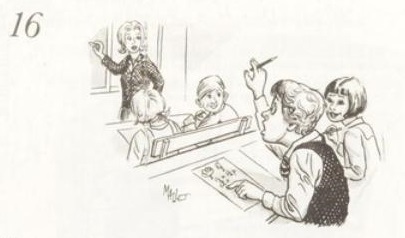
Miss Jones teaches mathiematics at a school. In one of her classes, the
boys and girls are about cight years old, and they are not very goodiat
arithmetic. Miss Jones always tries to make the work interesting amd
amusing as well as usefuli
One day she gave them a question: 'If you go to the market to bay
vegetables, she said, 'and a carrot and a half cost twelve pence, how
much will you have to pay for a dozen carrots?"
The pupils began to write in their exercise-books, and for a long
time nobody spoke. Them one boy put his hand up and said, 'Could
you repeat the question, please, Miss?"
The teacher began, 'Ifl a carrot and a half, but the boy inter-
rupted her.
'Oh, a carrot and a half?" he said. 'All this time I've been trying to
work it out in cabbages, Miss.
🔊
درس ۱۶
خانم جونز در یک مدرسه ریاضی تدریس میکند. در یکی از کلاسهای او، دخترها و پسرها حدود هشت سالهاند و در حساب چندان خوب نیستند. خانم جونز همیشه تلاش میکند درسها را علاوه بر مفید بودن، جالب و سرگرمکننده هم بکند. : روزی او از آنها یک سؤال پرسید: ' ?" او گفت: «اگر برای خرید سبزیجات به بازار بروی، و یک هویج و نصفی دوازده پِنس قیمت داشته باشد، برای یک دوجین هویج باید چقدر بپردازی؟» -, شاگردان شروع کردند به نوشتن در دفترهای تمرینشان، و تا مدت زیادی هیچکس حرفی نزد. ' , ?" بعد یکی از پسرها دستش را بالا برد و گفت: «ممکن است سؤال را تکرار کنید، لطفاً خانم؟» ' معلم شروع کرد: «اگر یک هویج و نصفی…»، اما پسر حرفش را قطع کرد, ?" «اوه، یک هویج و نصفی؟» او گفت «تمام این مدت داشتم سعی میکردم آن را بر حسب کلم حساب کنم، خانم.»
خانم جونز در یک مدرسه ریاضی تدریس میکند. در یکی از کلاسهای او، دخترها و پسرها حدود هشت سالهاند و در حساب چندان خوب نیستند. خانم جونز همیشه تلاش میکند درسها را علاوه بر مفید بودن، جالب و سرگرمکننده هم بکند. : روزی او از آنها یک سؤال پرسید: ' ?" او گفت: «اگر برای خرید سبزیجات به بازار بروی، و یک هویج و نصفی دوازده پِنس قیمت داشته باشد، برای یک دوجین هویج باید چقدر بپردازی؟» -, شاگردان شروع کردند به نوشتن در دفترهای تمرینشان، و تا مدت زیادی هیچکس حرفی نزد. ' , ?" بعد یکی از پسرها دستش را بالا برد و گفت: «ممکن است سؤال را تکرار کنید، لطفاً خانم؟» ' معلم شروع کرد: «اگر یک هویج و نصفی…»، اما پسر حرفش را قطع کرد, ?" «اوه، یک هویج و نصفی؟» او گفت «تمام این مدت داشتم سعی میکردم آن را بر حسب کلم حساب کنم، خانم.»
Passage 16
🔊
درس ۱۶
Miss Jones teaches mathematics at a school.
🔊
خانم جونز در یک مدرسه ریاضی تدریس میکند.
In one of her classes, the boys and girls are about eight years old, and they are not very good at arithmetic.
🔊
در یکی از کلاسهای او، دخترها و پسرها حدود هشت سالهاند و در حساب چندان خوب نیستند.
Miss Jones always tries to make the work interesting and amusing as well as useful.
🔊
خانم جونز همیشه تلاش میکند درسها را علاوه بر مفید بودن، جالب و سرگرمکننده هم بکند.
One day she gave them a question:
🔊
روزی او از آنها یک سؤال پرسید:
‘If you go to the market to buy vegetables,’ she said, 'and a carrot and a half cost twelve pence, how much will you have to pay for a dozen carrots?"
🔊
او گفت: «اگر برای خرید سبزیجات به بازار بروی، و یک هویج و نصفی دوازده پِنس قیمت داشته باشد، برای یک دوجین هویج باید چقدر بپردازی؟»
The pupils began to write in their exercise-books, and for a long time nobody spoke.
🔊
شاگردان شروع کردند به نوشتن در دفترهای تمرینشان، و تا مدت زیادی هیچکس حرفی نزد.
Then one boy put his hand up and said, 'Could you repeat the question, please, Miss?"
🔊
بعد یکی از پسرها دستش را بالا برد و گفت: «ممکن است سؤال را تکرار کنید، لطفاً خانم؟»
The teacher began, 'If a carrot and a half, but the boy interrupted her.
🔊
معلم شروع کرد: «اگر یک هویج و نصفی…»، اما پسر حرفش را قطع کرد.
'Oh, a carrot and a half?" he said.
🔊
«اوه، یک هویج و نصفی؟» او گفت.
'All this time I’ve been trying to work it out in cabbages, Miss.
🔊
«تمام این مدت داشتم سعی میکردم آن را بر حسب کلم حساب کنم، خانم.»
Passage 17
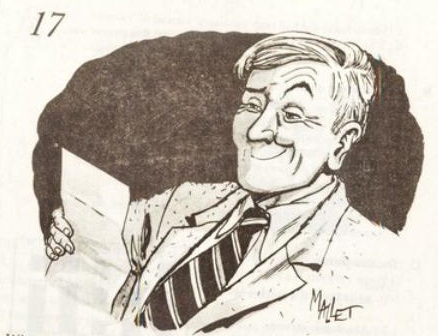
When Mr Andrews left university, he got a good job in a big oil
company, but after he thad been there for a few years, he decided that
he would like a change. He also wanted to get a more important
position, so that he could get more money, and perhaps also do more
interesting work, so herput an advertisement in several newspapers,
saying what experience he had had, describing the kind of job he ihad
at that time and the kind he would like to have.
One of the answers hhe received was from another man who was
looking for a job too. This man wrote to him, "Dear Sir, When you get
a new job, please be kirnd enough to give my name and addressi to
your present employer, as I have been trying to find a position like
yours for a long time.'
🔊
درس ۱۷
وقتی آقای آندروز از دانشگاه فارغالتحصیل شد، در یک شرکت بزرگ نفتی شغل خوبی پیدا کرد، اما پس از آنکه چند سالی آنجا کار کرد، تصمیم گرفت که دلش یک تغییر میخواهد. او همچنین میخواست به موقعیت مهمتری برسد تا بتواند پول بیشتری به دست آورد و شاید کار جالبتری هم انجام دهد، بنابراین در چند روزنامه آگهی داد و در آن توضیح داد چه تجربهای دارد، چه نوع شغلی در آن زمان داشته و چه نوع شغلی را دوست دارد داشته باشد. یکی از پاسخهایی که دریافت کرد از مرد دیگری بود که او هم به دنبال کار میگشت. این مرد برایش نوشت: «جناب آقا، وقتی شغل جدیدی پیدا کردید، لطفاً آنقدر مهربان باشید که نام و نشانی مرا به کارفرمای فعلیتان بدهید، چون مدتهاست دارم سعی میکنم شغلی مثل شغل شما پیدا کنم.»
وقتی آقای آندروز از دانشگاه فارغالتحصیل شد، در یک شرکت بزرگ نفتی شغل خوبی پیدا کرد، اما پس از آنکه چند سالی آنجا کار کرد، تصمیم گرفت که دلش یک تغییر میخواهد. او همچنین میخواست به موقعیت مهمتری برسد تا بتواند پول بیشتری به دست آورد و شاید کار جالبتری هم انجام دهد، بنابراین در چند روزنامه آگهی داد و در آن توضیح داد چه تجربهای دارد، چه نوع شغلی در آن زمان داشته و چه نوع شغلی را دوست دارد داشته باشد. یکی از پاسخهایی که دریافت کرد از مرد دیگری بود که او هم به دنبال کار میگشت. این مرد برایش نوشت: «جناب آقا، وقتی شغل جدیدی پیدا کردید، لطفاً آنقدر مهربان باشید که نام و نشانی مرا به کارفرمای فعلیتان بدهید، چون مدتهاست دارم سعی میکنم شغلی مثل شغل شما پیدا کنم.»
Passage 17
🔊
درس ۱۷
When Mr Andrews left university, he got a good job in a big oil company, but after he had been there for a few years, he decided that he would like a change.
🔊
وقتی آقای آندروز از دانشگاه فارغالتحصیل شد، در یک شرکت بزرگ نفتی شغل خوبی پیدا کرد، اما پس از آنکه چند سالی آنجا کار کرد، تصمیم گرفت که دلش یک تغییر میخواهد.
He also wanted to get a more important position, so that he could get more money, and perhaps also do more interesting work, so he put an advertisement in several newspapers, saying what experience he had had, describing the kind of job he had at that time and the kind he would like to have.
🔊
او همچنین میخواست به موقعیت مهمتری برسد تا بتواند پول بیشتری به دست آورد و شاید کار جالبتری هم انجام دهد، بنابراین در چند روزنامه آگهی داد و در آن توضیح داد چه تجربهای دارد، چه نوع شغلی در آن زمان داشته و چه نوع شغلی را دوست دارد داشته باشد.
One of the answers he received was from another man who was looking for a job too.
🔊
یکی از پاسخهایی که دریافت کرد از مرد دیگری بود که او هم به دنبال کار میگشت.
This man wrote to him, ‘Dear Sir, When you get a new job, please be kind enough to give my name and address to your present employer, as I have been trying to find a position like yours for a long time.’
🔊
این مرد برایش نوشت: «جناب آقا، وقتی شغل جدیدی پیدا کردید، لطفاً آنقدر مهربان باشید که نام و نشانی مرا به کارفرمای فعلیتان بدهید، چون مدتهاست دارم سعی میکنم شغلی مثل شغل شما پیدا کنم.»
Passage 18
Mary was a university student. She did not have very much money,
and her parents were not rich, but she had an uncle who had been
fortunate enough to collect great wealth. He had no children, and
Mary was his fawourite niece, so he always gave her valuable Christ-
mas and birthdaly presents.
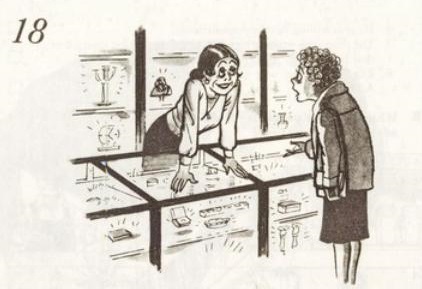
When her Unicle George's birthday came round, Mary wanted to
buy him something really special, but because he was so wealthy, she
did not know whiat to to get him. She went into the best shop in her town
and explained wihat her problem was to one of the helpful young shop
assistants.
Finally Mary said to her, 'I suppose this isn't the first time any-
body has come to you with this problem. What do you have for
someone who's already got everything he wants or needs?"
The girl sigheel deeply and answered, 'Envy. Only envy."
🔊
درس ۱۸
مری دانشجوی دانشگاه بود. او پول زیادی نداشت و والدینش هم ثروتمند نبودند، اما عمویی داشت که خوششانس بود و ثروت زیادی جمع کرده بود. او فرزندی نداشت و مری خواهرزادهٔ محبوبش بود، بنابراین همیشه برای کریسمس و تولدش هدیههای گرانبها میداد. وقتی تولد عمو جرجش نزدیک شد، مری میخواست برای او چیزی واقعاً ویژه بخرد، اما چون او خیلی ثروتمند بود، نمیدانست چه چیزی برایش بگیرد. او به بهترین فروشگاه شهرشان رفت و مشکلش را برای یکی از فروشندگان جوان و خوشبرخورد توضیح داد. ' سرانجام مری به او گفت: «گمان میکنم این اولین باری نیست که کسی با این مشکل پیش شما آمده است.» ?" «برای کسی که از قبل همهٔ چیزهایی را که میخواهد یا نیاز دارد دارد، چه چیزی دارید؟» '. دختر عمیقاً آهی کشید و پاسخ داد: «حسادت. فقط حسادت.»
مری دانشجوی دانشگاه بود. او پول زیادی نداشت و والدینش هم ثروتمند نبودند، اما عمویی داشت که خوششانس بود و ثروت زیادی جمع کرده بود. او فرزندی نداشت و مری خواهرزادهٔ محبوبش بود، بنابراین همیشه برای کریسمس و تولدش هدیههای گرانبها میداد. وقتی تولد عمو جرجش نزدیک شد، مری میخواست برای او چیزی واقعاً ویژه بخرد، اما چون او خیلی ثروتمند بود، نمیدانست چه چیزی برایش بگیرد. او به بهترین فروشگاه شهرشان رفت و مشکلش را برای یکی از فروشندگان جوان و خوشبرخورد توضیح داد. ' سرانجام مری به او گفت: «گمان میکنم این اولین باری نیست که کسی با این مشکل پیش شما آمده است.» ?" «برای کسی که از قبل همهٔ چیزهایی را که میخواهد یا نیاز دارد دارد، چه چیزی دارید؟» '. دختر عمیقاً آهی کشید و پاسخ داد: «حسادت. فقط حسادت.»
Passage 18
🔊
درس ۱۸
Mary was a university student.
🔊
مری دانشجوی دانشگاه بود.
She did not have very much money, and her parents were not rich, but she had an uncle who had been fortunate enough to collect great wealth.
🔊
او پول زیادی نداشت و والدینش هم ثروتمند نبودند، اما عمویی داشت که خوششانس بود و ثروت زیادی جمع کرده بود.
He had no children, and Mary was his favourite niece, so he always gave her valuable Christmas and birthday presents.
🔊
او فرزندی نداشت و مری خواهرزادهٔ محبوبش بود، بنابراین همیشه برای کریسمس و تولدش هدیههای گرانبها میداد.
When her Uncle George’s birthday came round, Mary wanted to buy him something really special, but because he was so wealthy, she did not know what to get him.
🔊
وقتی تولد عمو جرجش نزدیک شد، مری میخواست برای او چیزی واقعاً ویژه بخرد، اما چون او خیلی ثروتمند بود، نمیدانست چه چیزی برایش بگیرد.
She went into the best shop in her town and explained what her problem was to one of the helpful young shop assistants.
🔊
او به بهترین فروشگاه شهرشان رفت و مشکلش را برای یکی از فروشندگان جوان و خوشبرخورد توضیح داد.
Finally Mary said to her, 'I suppose this isn’t the first time anybody has come to you with this problem.
🔊
سرانجام مری به او گفت: «گمان میکنم این اولین باری نیست که کسی با این مشکل پیش شما آمده است.»
What do you have for someone who’s already got everything he wants or needs?"
🔊
«برای کسی که از قبل همهٔ چیزهایی را که میخواهد یا نیاز دارد دارد، چه چیزی دارید؟»
The girl sighed deeply and answered, 'Envy. Only envy."
🔊
دختر عمیقاً آهی کشید و پاسخ داد: «حسادت. فقط حسادت.»
Passage 19
Miss Richards was a teacher at a school for boys aad girls. She taught
chemistry and physics from the lowest to the higghest classes in the
school. Sometimes the new classes learnt rapidly, but sometimes they
were very slow, and then Miss Richards had to nepeat things many
times.
One year, the first class had been studying chemistry for several
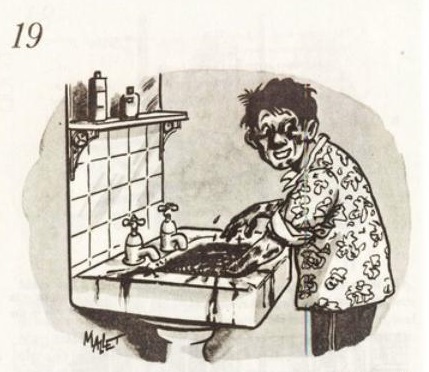
weeks when Miss Richards suddenly asked, ‘Wihat is water? Who
kows? Hands up!"
There was silence for a few seconds, and Missi Richards felt sad-
ed, but then one boy raised his hand.
es, Dick?" said Miss Richards encouragingly. He was not one of
rightest children in the class, so she was glad that he could
er.
ater is a liquid which has no colour until you wash your hands
Miss. Then it turns black,' the boy replied with great con-nce.
🔊
درس ۱۹
خانم ریچاردز معلمِ مدرسهای برای پسرها و دخترها بود. او به همهٔ کلاسهای مدرسه، از پایینترین تا بالاترین پایه، شیمی و فیزیک درس میداد. گاهی کلاسهای جدید خیلی سریع یاد میگرفتند، اما گاهی خیلی کند بودند و آن وقت خانم ریچاردز مجبور میشد چیزها را بارها تکرار کند. ' ? ? !" یک سال، کلاس اول چند هفتهای بود که شیمی میخواند که ناگهان خانم ریچاردز پرسید: «آب چیست؟ چه کسی میداند؟ دستها بالا!» چند ثانیه سکوت برقرار شد و خانم ریچاردز ناراحت شد، اما بعد یکی از پسرها دستش را بالا برد.?” «بله، دیک؟» خانم ریچاردز با تشویق گفت. او از باهوشترین بچههای کلاس نبود، بنابراین خانم ریچاردز خوشحال شد که او میتواند جواب بدهد.“ پسر با اعتمادبهنفس زیادی پاسخ داد: «آب مایعی است که هیچ رنگی ندارد، تا وقتی که دستهایتان را در آن بشویید، خانم. آن وقت سیاه میشود.»
خانم ریچاردز معلمِ مدرسهای برای پسرها و دخترها بود. او به همهٔ کلاسهای مدرسه، از پایینترین تا بالاترین پایه، شیمی و فیزیک درس میداد. گاهی کلاسهای جدید خیلی سریع یاد میگرفتند، اما گاهی خیلی کند بودند و آن وقت خانم ریچاردز مجبور میشد چیزها را بارها تکرار کند. ' ? ? !" یک سال، کلاس اول چند هفتهای بود که شیمی میخواند که ناگهان خانم ریچاردز پرسید: «آب چیست؟ چه کسی میداند؟ دستها بالا!» چند ثانیه سکوت برقرار شد و خانم ریچاردز ناراحت شد، اما بعد یکی از پسرها دستش را بالا برد.?” «بله، دیک؟» خانم ریچاردز با تشویق گفت. او از باهوشترین بچههای کلاس نبود، بنابراین خانم ریچاردز خوشحال شد که او میتواند جواب بدهد.“ پسر با اعتمادبهنفس زیادی پاسخ داد: «آب مایعی است که هیچ رنگی ندارد، تا وقتی که دستهایتان را در آن بشویید، خانم. آن وقت سیاه میشود.»
Passage 19
🔊
درس ۱۹
Miss Richards was a teacher at a school for boys and girls.
🔊
خانم ریچاردز معلمِ مدرسهای برای پسرها و دخترها بود.
She taught chemistry and physics from the lowest to the highest classes in the school.
🔊
او به همهٔ کلاسهای مدرسه، از پایینترین تا بالاترین پایه، شیمی و فیزیک درس میداد.
Sometimes the new classes learnt rapidly, but sometimes they were very slow, and then Miss Richards had to repeat things many times.
🔊
گاهی کلاسهای جدید خیلی سریع یاد میگرفتند، اما گاهی خیلی کند بودند و آن وقت خانم ریچاردز مجبور میشد چیزها را بارها تکرار کند.
One year, the first class had been studying chemistry for several weeks when Miss Richards suddenly asked, 'What is water? Who knows? Hands up!"
🔊
یک سال، کلاس اول چند هفتهای بود که شیمی میخواند که ناگهان خانم ریچاردز پرسید: «آب چیست؟ چه کسی میداند؟ دستها بالا!»
There was silence for a few seconds, and Miss Richards felt saddened, but then one boy raised his hand.
🔊
چند ثانیه سکوت برقرار شد و خانم ریچاردز ناراحت شد، اما بعد یکی از پسرها دستش را بالا برد.
“Yes, Dick?” said Miss Richards encouragingly.
🔊
«بله، دیک؟» خانم ریچاردز با تشویق گفت.
He was not one of the brightest children in the class, so she was glad that he could answer.
🔊
او از باهوشترین بچههای کلاس نبود، بنابراین خانم ریچاردز خوشحال شد که او میتواند جواب بدهد.
“Water is a liquid which has no colour until you wash your hands in it, Miss. Then it turns black,” the boy replied with great confidence.
🔊
پسر با اعتمادبهنفس زیادی پاسخ داد: «آب مایعی است که هیچ رنگی ندارد، تا وقتی که دستهایتان را در آن بشویید، خانم. آن وقت سیاه میشود.»
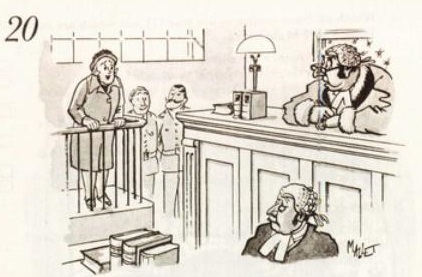
Passage 20
While Mrs Edwards was in town one Saturday, she saw a crash in an
avenue: two cars ran into cach other. The drivers got out, and an
argument arose between them, but then a policeman arrived. He
asked the drivers what had happened, and then he turned to the
crowd which had collected round and said, 'Did anyone see the
accident?" Several people said they had, and Mrs Edwards was one of
them.
A week later she was asked whether she was willing to be a witness
in a court case concerning the accident, and she saidi she was; and a
month later, a lawyer was questioning her in court. She began
everything with, 'I think that...,' until the lawyer got angry and
said, 'You're not here to say what you think: you're nere to say what
you know."
'I'm sorry, objected Mrs Edwards, 'but I'm not a lawyer, so 1
can't say things without thinking.
🔊
درس ۲۰
یکشنبهای، وقتی خانم ادواردز در شهر بود، تصادفی را در یکی از خیابانها دید: دو ماشین به هم برخورد کردند. رانندهها از ماشینها پیاده شدند و بینشان مشاجرهای درگرفت، اما بعد یک پلیس رسید. ' ?" او از رانندهها پرسید چه اتفاقی افتاده است، و بعد رو به جمعیتی که دور آنها جمع شده بودند کرد و گفت: «کسی تصادف را دید؟» چند نفر گفتند که دیدهاند، و خانم ادواردز هم یکی از آنها بود. ; یک هفته بعد از او پرسیدند آیا حاضر است در پروندهٔ دادگاهی مربوط به آن تصادف شاهد باشد یا نه، و او گفت بله؛ و یک ماه بعد، یک وکیل در دادگاه از او بازجویی میکرد. … ': او همهٔ جوابهایش را با «فکر میکنم که…» شروع میکرد، تا اینکه وکیل عصبانی شد و گفت: «اینجا نیامدهای که بگویی چه فکر میکنی؛ اینجایی که بگویی چه میدانی.»'' خانم ادواردز اعتراض کرد: «متأسفم، اما من وکیل نیستم، بنابراین نمیتوانم بدون فکر کردن چیزی بگویم.»
یکشنبهای، وقتی خانم ادواردز در شهر بود، تصادفی را در یکی از خیابانها دید: دو ماشین به هم برخورد کردند. رانندهها از ماشینها پیاده شدند و بینشان مشاجرهای درگرفت، اما بعد یک پلیس رسید. ' ?" او از رانندهها پرسید چه اتفاقی افتاده است، و بعد رو به جمعیتی که دور آنها جمع شده بودند کرد و گفت: «کسی تصادف را دید؟» چند نفر گفتند که دیدهاند، و خانم ادواردز هم یکی از آنها بود. ; یک هفته بعد از او پرسیدند آیا حاضر است در پروندهٔ دادگاهی مربوط به آن تصادف شاهد باشد یا نه، و او گفت بله؛ و یک ماه بعد، یک وکیل در دادگاه از او بازجویی میکرد. … ': او همهٔ جوابهایش را با «فکر میکنم که…» شروع میکرد، تا اینکه وکیل عصبانی شد و گفت: «اینجا نیامدهای که بگویی چه فکر میکنی؛ اینجایی که بگویی چه میدانی.»'' خانم ادواردز اعتراض کرد: «متأسفم، اما من وکیل نیستم، بنابراین نمیتوانم بدون فکر کردن چیزی بگویم.»
Passage 20
🔊
درس ۲۰
While Mrs Edwards was in town one Saturday, she saw a crash in an avenue: two cars ran into each other.
🔊
یکشنبهای، وقتی خانم ادواردز در شهر بود، تصادفی را در یکی از خیابانها دید: دو ماشین به هم برخورد کردند.
The drivers got out, and an argument arose between them, but then a policeman arrived.
🔊
رانندهها از ماشینها پیاده شدند و بینشان مشاجرهای درگرفت، اما بعد یک پلیس رسید.
He asked the drivers what had happened, and then he turned to the crowd which had collected round and said, 'Did anyone see the accident?"
🔊
او از رانندهها پرسید چه اتفاقی افتاده است، و بعد رو به جمعیتی که دور آنها جمع شده بودند کرد و گفت: «کسی تصادف را دید؟»
Several people said they had, and Mrs Edwards was one of them.
🔊
چند نفر گفتند که دیدهاند، و خانم ادواردز هم یکی از آنها بود.
A week later she was asked whether she was willing to be a witness in a court case concerning the accident, and she said she was; and a month later, a lawyer was questioning her in court.
🔊
یک هفته بعد از او پرسیدند آیا حاضر است در پروندهٔ دادگاهی مربوط به آن تصادف شاهد باشد یا نه، و او گفت بله؛ و یک ماه بعد، یک وکیل در دادگاه از او بازجویی میکرد.
She began everything with, ‘I think that…,’ until the lawyer got angry and said, 'You’re not here to say what you think: you’re here to say what you know."
🔊
او همهٔ جوابهایش را با «فکر میکنم که…» شروع میکرد، تا اینکه وکیل عصبانی شد و گفت: «اینجا نیامدهای که بگویی چه فکر میکنی؛ اینجایی که بگویی چه میدانی.»
'I’m sorry, objected Mrs Edwards, 'but I’m not a lawyer, so I can’t say things without thinking.
🔊
خانم ادواردز اعتراض کرد: «متأسفم، اما من وکیل نیستم، بنابراین نمیتوانم بدون فکر کردن چیزی بگویم.»
Passage 21
During World War Two, a lot of young women in Britain were in the
army. Joan Phillips was one of them. She worked in a big camp, and
of course met a lot of men, officers and soldiers.
One evening she met Captain Humphreys at a dance. He said to
her, 'I'm going abroad tomorrow, but I'd be very happy if we could
write to each other.' Joan agreed, and they wrote for several months.
Then his letters stopped, but she received one from an other officer,
telling her that he had been wounded and was in a certain army
hospital in England.
Joan went there and said to the matron, 'I've come to wisit Captain
Humphreys."
'Only relatives are allowed to visit patients here,' the maatron said.
'Oh, that's all right, answered Joan. 'I'm his sister."
'I'm very pleased to meet you,' the matron said, I'm his mother!"
🔊
درس ۲۱
در طول جنگ جهانی دوم، تعداد زیادی از زنان جوان در بریتانیا در ارتش بودند. جوان فیلیپس یکی از آنها بود. او در یک اردوگاه بزرگ کار میکرد و البته با مردان زیادی، از افسران و سربازان، آشنا میشد. یک شب او در یک جشن رقص، کاپیتان هامفریز را ملاقات کرد. ‘ او به او گفت: «فردا به خارج از کشور میروم، اما خیلی خوشحال میشوم اگر بتوانیم برای هم نامه بنویسیم.» جوان قبول کرد، و آنها چند ماه برای هم نامه نوشتند. بعد نامههایش قطع شد، اما او نامهای از افسر دیگری دریافت کرد که به او میگفت او زخمی شده و در بیمارستانی نظامی در انگلستان بستری است. ' جوان به آنجا رفت و به سرپرستار گفت: «من برای دیدن کاپیتان هامفریز آمدهام.» سرپرستار گفت: «فقط بستگان اجازه دارند اینجا از بیماران دیدن کنند.» ' جوان پاسخ داد: «اوه، اشکالی ندارد. من خواهرش هستم.»‘'!" سرپرستار گفت: «از آشنایی با شما بسیار خوشوقتم، من مادر او هستم!»
در طول جنگ جهانی دوم، تعداد زیادی از زنان جوان در بریتانیا در ارتش بودند. جوان فیلیپس یکی از آنها بود. او در یک اردوگاه بزرگ کار میکرد و البته با مردان زیادی، از افسران و سربازان، آشنا میشد. یک شب او در یک جشن رقص، کاپیتان هامفریز را ملاقات کرد. ‘ او به او گفت: «فردا به خارج از کشور میروم، اما خیلی خوشحال میشوم اگر بتوانیم برای هم نامه بنویسیم.» جوان قبول کرد، و آنها چند ماه برای هم نامه نوشتند. بعد نامههایش قطع شد، اما او نامهای از افسر دیگری دریافت کرد که به او میگفت او زخمی شده و در بیمارستانی نظامی در انگلستان بستری است. ' جوان به آنجا رفت و به سرپرستار گفت: «من برای دیدن کاپیتان هامفریز آمدهام.» سرپرستار گفت: «فقط بستگان اجازه دارند اینجا از بیماران دیدن کنند.» ' جوان پاسخ داد: «اوه، اشکالی ندارد. من خواهرش هستم.»‘'!" سرپرستار گفت: «از آشنایی با شما بسیار خوشوقتم، من مادر او هستم!»
Passage 21
🔊
درس ۲۱
During World War Two, a lot of young women in Britain were in the army.
🔊
در طول جنگ جهانی دوم، تعداد زیادی از زنان جوان در بریتانیا در ارتش بودند.
Joan Phillips was one of them.
🔊
جوان فیلیپس یکی از آنها بود.
She worked in a big camp, and of course met a lot of men, officers and soldiers.
🔊
او در یک اردوگاه بزرگ کار میکرد و البته با مردان زیادی، از افسران و سربازان، آشنا میشد.
One evening she met Captain Humphreys at a dance.
🔊
یک شب او در یک جشن رقص، کاپیتان هامفریز را ملاقات کرد.
He said to her, ‘I’m going abroad tomorrow, but I’d be very happy if we could write to each other.’
🔊
او به او گفت: «فردا به خارج از کشور میروم، اما خیلی خوشحال میشوم اگر بتوانیم برای هم نامه بنویسیم.»
Joan agreed, and they wrote for several months.
🔊
جوان قبول کرد، و آنها چند ماه برای هم نامه نوشتند.
Then his letters stopped, but she received one from another officer, telling her that he had been wounded and was in a certain army hospital in England.
🔊
بعد نامههایش قطع شد، اما او نامهای از افسر دیگری دریافت کرد که به او میگفت او زخمی شده و در بیمارستانی نظامی در انگلستان بستری است.
Joan went there and said to the matron, 'I’ve come to visit Captain Humphreys."
🔊
جوان به آنجا رفت و به سرپرستار گفت: «من برای دیدن کاپیتان هامفریز آمدهام.»
‘Only relatives are allowed to visit patients here,’ the matron said.
🔊
سرپرستار گفت: «فقط بستگان اجازه دارند اینجا از بیماران دیدن کنند.»
‘Oh, that’s all right,’ answered Joan. 'I’m his sister."
🔊
جوان پاسخ داد: «اوه، اشکالی ندارد. من خواهرش هستم.»
‘I’m very pleased to meet you,’ the matron said, 'I’m his mother!"
🔊
سرپرستار گفت: «از آشنایی با شما بسیار خوشوقتم، من مادر او هستم!»
Passage 22
Mrs Black was old and rich. She lived in a splendid house and owned
a lot of valuable things. Then she died, and there was a big funeral.
Notices were sent out to relatives and friends, and they came from far
and near to attend the funeral.
The service took place in Mrs Black's old church, and then her
body was taken back to be buried in a special place in her garden.
The hearse carrying her body moved along slowly, followed by the
relatives and friends, the women and children in cars, and the men on
foot.
One of Mrs Black's cousins saw a poorly dressed man following the
hearse and crying bitterly.
The cousin said to him kindly, 'Were you a relative of the dead
woman too?"
'No," the man answered.
'Then why are you crying?" the dead woman's relative asked.
"That's exactly why I'm crying,' the poorly dressed man answered.
🔊
درس ۲۲
خانم بلک پیر و ثروتمند بود. او در خانهای باشکوه زندگی میکرد و چیزهای گرانبهای زیادی داشت. سپس او درگذشت و مراسم تشییع جنازهٔ بزرگی برگزار شد. اعلانهایی برای بستگان و دوستان فرستاده شد و آنها از دور و نزدیک برای شرکت در مراسم تشییع جنازه آمدند. مراسم در کلیسای قدیمی خانم بلک برگزار شد، و سپس پیکرش را بردند تا در مکان ویژهای در باغش به خاک بسپارند. ماشین حمل جنازه که پیکر او را میبرد، آهسته حرکت میکرد و بستگان و دوستان دنبالش میرفتند؛ زنان و کودکان با ماشینها و مردان پیاده. یکی از پسرعموهای خانم بلک مردی ژندهپوش را دید که پشت سر ماشین جنازه میآمد و سخت گریه میکرد. ' ?" آن پسرعمو با مهربانی به او گفت: «شما هم از بستگان آن زن مرحوم بودید؟»'," مرد پاسخ داد: «نه.»' ?" «پس چرا گریه میکنید؟» خویشاوند زن مرده پرسید مرد ژندهپوش پاسخ داد: «دقیقاً به همین دلیل دارم گریه میکنم.»
خانم بلک پیر و ثروتمند بود. او در خانهای باشکوه زندگی میکرد و چیزهای گرانبهای زیادی داشت. سپس او درگذشت و مراسم تشییع جنازهٔ بزرگی برگزار شد. اعلانهایی برای بستگان و دوستان فرستاده شد و آنها از دور و نزدیک برای شرکت در مراسم تشییع جنازه آمدند. مراسم در کلیسای قدیمی خانم بلک برگزار شد، و سپس پیکرش را بردند تا در مکان ویژهای در باغش به خاک بسپارند. ماشین حمل جنازه که پیکر او را میبرد، آهسته حرکت میکرد و بستگان و دوستان دنبالش میرفتند؛ زنان و کودکان با ماشینها و مردان پیاده. یکی از پسرعموهای خانم بلک مردی ژندهپوش را دید که پشت سر ماشین جنازه میآمد و سخت گریه میکرد. ' ?" آن پسرعمو با مهربانی به او گفت: «شما هم از بستگان آن زن مرحوم بودید؟»'," مرد پاسخ داد: «نه.»' ?" «پس چرا گریه میکنید؟» خویشاوند زن مرده پرسید مرد ژندهپوش پاسخ داد: «دقیقاً به همین دلیل دارم گریه میکنم.»
Passage 22
🔊
درس ۲۲
Mrs Black was old and rich.
🔊
خانم بلک پیر و ثروتمند بود.
She lived in a splendid house and owned a lot of valuable things.
🔊
او در خانهای باشکوه زندگی میکرد و چیزهای گرانبهای زیادی داشت.
Then she died, and there was a big funeral.
🔊
سپس او درگذشت و مراسم تشییع جنازهٔ بزرگی برگزار شد.
Notices were sent out to relatives and friends, and they came from far and near to attend the funeral.
🔊
اعلانهایی برای بستگان و دوستان فرستاده شد و آنها از دور و نزدیک برای شرکت در مراسم تشییع جنازه آمدند.
The service took place in Mrs Black’s old church, and then her body was taken back to be buried in a special place in her garden.
🔊
مراسم در کلیسای قدیمی خانم بلک برگزار شد، و سپس پیکرش را بردند تا در مکان ویژهای در باغش به خاک بسپارند.
The hearse carrying her body moved along slowly, followed by the relatives and friends, the women and children in cars, and the men on foot.
🔊
ماشین حمل جنازه که پیکر او را میبرد، آهسته حرکت میکرد و بستگان و دوستان دنبالش میرفتند؛ زنان و کودکان با ماشینها و مردان پیاده.
One of Mrs Black’s cousins saw a poorly dressed man following the hearse and crying bitterly.
🔊
یکی از پسرعموهای خانم بلک مردی ژندهپوش را دید که پشت سر ماشین جنازه میآمد و سخت گریه میکرد.
The cousin said to him kindly, 'Were you a relative of the dead woman too?"
🔊
آن پسرعمو با مهربانی به او گفت: «شما هم از بستگان آن زن مرحوم بودید؟»
'No," the man answered.
🔊
مرد پاسخ داد: «نه.»
'Then why are you crying?" the dead woman’s relative asked.
🔊
«پس چرا گریه میکنید؟» خویشاوند زن مرده پرسید.
"That’s exactly why I’m crying,’ the poorly dressed man answered.
🔊
مرد ژندهپوش پاسخ داد: «دقیقاً به همین دلیل دارم گریه میکنم.»
Passage 23
It was very difficult to find jobs in the north-east of England, and
when John lost his, he found it impossible to get a new one. He had
soon spent all his money, so he decided to go down to the south of the
country, where he had heard that things were better, and that it was
easier to find work. The best way to go was by train, so he went to the
railway station and got into a train which was going to London.
He was the only passenger in his compartment when another man
burst in carrying a gun and said to him, 'Your money, or your life!
'I haven't got a penny,' John answered in fright.
'Then why are you trembling so much?' the man with the gun
asked angrily.
'Because I thought you were the ticket-collector, and I haven't
even got a ticket,' answered John.
🔊
درس ۲۳
پیدا کردن کار در شمالشرقی انگلستان بسیار دشوار بود، و وقتی جان شغلش را از دست داد، دید که پیدا کردن کار جدید برایش غیرممکن است. او خیلی زود تمام پولش را خرج کرد، بنابراین تصمیم گرفت به جنوب کشور برود، جایی که شنیده بود اوضاع بهتر است و پیدا کردن کار آسانتر است. بهترین راه رفتن با قطار بود، پس او به ایستگاه راهآهن رفت و سوار قطاری شد که به لندن میرفت. ' ! او تنها مسافر در کوپهٔ خودش بود که مرد دیگری با اسلحه وارد شد و به او گفت: «پولت یا جانت!»‘ جان با ترس پاسخ داد: «من حتی یک پنی هم ندارم.» ? «پس چرا اینقدر میلرزی؟» مرد مسلح با عصبانیت پرسید. -, جان جواب داد: «چون فکر کردم شما بلیتچککن هستید، و من حتی بلیت هم ندارم.»
پیدا کردن کار در شمالشرقی انگلستان بسیار دشوار بود، و وقتی جان شغلش را از دست داد، دید که پیدا کردن کار جدید برایش غیرممکن است. او خیلی زود تمام پولش را خرج کرد، بنابراین تصمیم گرفت به جنوب کشور برود، جایی که شنیده بود اوضاع بهتر است و پیدا کردن کار آسانتر است. بهترین راه رفتن با قطار بود، پس او به ایستگاه راهآهن رفت و سوار قطاری شد که به لندن میرفت. ' ! او تنها مسافر در کوپهٔ خودش بود که مرد دیگری با اسلحه وارد شد و به او گفت: «پولت یا جانت!»‘ جان با ترس پاسخ داد: «من حتی یک پنی هم ندارم.» ? «پس چرا اینقدر میلرزی؟» مرد مسلح با عصبانیت پرسید. -, جان جواب داد: «چون فکر کردم شما بلیتچککن هستید، و من حتی بلیت هم ندارم.»
Passage 23
🔊
درس ۲۳
It was very difficult to find jobs in the north-east of England, and when John lost his, he found it impossible to get a new one.
🔊
پیدا کردن کار در شمالشرقی انگلستان بسیار دشوار بود، و وقتی جان شغلش را از دست داد، دید که پیدا کردن کار جدید برایش غیرممکن است.
He had soon spent all his money, so he decided to go down to the south of the country, where he had heard that things were better, and that it was easier to find work.
🔊
او خیلی زود تمام پولش را خرج کرد، بنابراین تصمیم گرفت به جنوب کشور برود، جایی که شنیده بود اوضاع بهتر است و پیدا کردن کار آسانتر است.
The best way to go was by train, so he went to the railway station and got into a train which was going to London.
🔊
بهترین راه رفتن با قطار بود، پس او به ایستگاه راهآهن رفت و سوار قطاری شد که به لندن میرفت.
He was the only passenger in his compartment when another man burst in carrying a gun and said to him, 'Your money, or your life!
🔊
او تنها مسافر در کوپهٔ خودش بود که مرد دیگری با اسلحه وارد شد و به او گفت: «پولت یا جانت!»
‘I haven’t got a penny,’ John answered in fright.
🔊
جان با ترس پاسخ داد: «من حتی یک پنی هم ندارم.»
‘Then why are you trembling so much?’ the man with the gun asked angrily.
🔊
«پس چرا اینقدر میلرزی؟» مرد مسلح با عصبانیت پرسید.
‘Because I thought you were the ticket-collector, and I haven’t even got a ticket,’ answered John.
🔊
جان جواب داد: «چون فکر کردم شما بلیتچککن هستید، و من حتی بلیت هم ندارم.»
Passage 24
Mr Grey liked shooting very much, but he did not get much practice
at shooting wild animals, and he was not very good at it. One of his
troubles was that his eyes were not very good and he had to wear
lasses. When it rained and his glasses got wet, he could not see very
well
One day he was invited to go out shooting bears in the mountains.
It was rather a rainy day, and by mistake Mr Grey shot at one of the
other hunters and hit him in the leg.
There was a court case about this, and at it the lawyer for the other
man said, 'Why did you shoot at Mr Robinson?"
Mr Grey answered, 'I thought that he was a bear.'
When did you realize that you were wrong?" the lawyer asked.
'When the bear began to shoot back at me,' Mr Grey answered.
🔊
درس ۲۴
آقای گری تیراندازی را خیلی دوست داشت، اما در تیراندازی به حیوانات وحشی چندان تمرین نداشت و در آن خیلی خوب نبود. یکی از مشکلات او این بود که چشمانش خیلی خوب نبود و مجبور بود عینک بزند. وقتی باران میبارید و عینکش خیس میشد، نمیتوانست خوب ببیند. روزی از او دعوت شد که برای شکار خرسها به کوهستان برود. آن روز تا حدی بارانی بود و آقای گری به اشتباه به یکی از شکارچیان دیگر شلیک کرد و او را از ناحیهٔ پا زخمی کرد. ' ?" در اینباره پروندهای در دادگاه تشکیل شد، و در دادگاه وکیلِ آن مرد دیگر گفت: «چرا به آقای رابینسون شلیک کردید؟» آقای گری پاسخ داد: «فکر کردم او یک خرس است.» ?" وکیل پرسید: «کی متوجه شدید که اشتباه کردهاید؟» آقای گری جواب داد: «وقتی خرس شروع کرد به من شلیک کردن.»
آقای گری تیراندازی را خیلی دوست داشت، اما در تیراندازی به حیوانات وحشی چندان تمرین نداشت و در آن خیلی خوب نبود. یکی از مشکلات او این بود که چشمانش خیلی خوب نبود و مجبور بود عینک بزند. وقتی باران میبارید و عینکش خیس میشد، نمیتوانست خوب ببیند. روزی از او دعوت شد که برای شکار خرسها به کوهستان برود. آن روز تا حدی بارانی بود و آقای گری به اشتباه به یکی از شکارچیان دیگر شلیک کرد و او را از ناحیهٔ پا زخمی کرد. ' ?" در اینباره پروندهای در دادگاه تشکیل شد، و در دادگاه وکیلِ آن مرد دیگر گفت: «چرا به آقای رابینسون شلیک کردید؟» آقای گری پاسخ داد: «فکر کردم او یک خرس است.» ?" وکیل پرسید: «کی متوجه شدید که اشتباه کردهاید؟» آقای گری جواب داد: «وقتی خرس شروع کرد به من شلیک کردن.»
Passage 24
🔊
درس ۲۴
Mr Grey liked shooting very much, but he did not get much practice at shooting wild animals, and he was not very good at it.
🔊
آقای گری تیراندازی را خیلی دوست داشت، اما در تیراندازی به حیوانات وحشی چندان تمرین نداشت و در آن خیلی خوب نبود.
One of his troubles was that his eyes were not very good and he had to wear glasses.
🔊
یکی از مشکلات او این بود که چشمانش خیلی خوب نبود و مجبور بود عینک بزند.
When it rained and his glasses got wet, he could not see very well.
🔊
وقتی باران میبارید و عینکش خیس میشد، نمیتوانست خوب ببیند.
One day he was invited to go out shooting bears in the mountains.
🔊
روزی از او دعوت شد که برای شکار خرسها به کوهستان برود.
It was rather a rainy day, and by mistake Mr Grey shot at one of the other hunters and hit him in the leg.
🔊
آن روز تا حدی بارانی بود و آقای گری به اشتباه به یکی از شکارچیان دیگر شلیک کرد و او را از ناحیهٔ پا زخمی کرد.
There was a court case about this, and at it the lawyer for the other man said, 'Why did you shoot at Mr Robinson?"
🔊
در اینباره پروندهای در دادگاه تشکیل شد، و در دادگاه وکیلِ آن مرد دیگر گفت: «چرا به آقای رابینسون شلیک کردید؟»
Mr Grey answered, ‘I thought that he was a bear.’
🔊
آقای گری پاسخ داد: «فکر کردم او یک خرس است.»
When did you realize that you were wrong?" the lawyer asked.
🔊
وکیل پرسید: «کی متوجه شدید که اشتباه کردهاید؟»
‘When the bear began to shoot back at me,’ Mr Grey answered.
🔊
آقای گری جواب داد: «وقتی خرس شروع کرد به من شلیک کردن.»
Passage 25
Army camps always have to be guarded, of course, to make sure that
nobody goes in or out without permission, otherwise soldiers could
go out when they were not supposed to, and anybody could come in
at any time and cause all sorts of trouble.
There is usually a guard composed of several soldiers at each gate,
and the men in the guard take turns to stand at the gate with a gun
and stop everyone who wants to go in or out to see their passes. The
man on guard is told to say, 'Halt! Who goes there?" if anyone comes
towards the gate.
A soldier was guarding the gate of a camp at night when he heard a
sound in the dark. 'Halt! Who goes there?" he shouted nervously.
'Nobody,' a voice answered.
The soldier thought for a few seconds and then said, 'Well-is
there anyone with you?"
🔊
درس ۲۵
البته اردوگاههای نظامی همیشه باید نگهبانی شوند تا مطمئن شوند که هیچکس بدون اجازه وارد یا خارج نمیشود؛ وگرنه ممکن بود سربازها وقتی نباید از اردوگاه خارج شوند، بیرون بروند، و هر کسی هم هر وقت بخواهد بتواند وارد شود و دردسرهای مختلفی درست کند. معمولاً در هر دروازه گروهی از چند سرباز بهعنوان نگهبان هستند، و افراد این نگهبانی نوبتی با اسلحه کنار دروازه میایستند و هر کسی را که بخواهد وارد یا خارج شود متوقف میکنند تا کارت شناسایی یا مجوز او را ببینند. '! ?" به نگهبان گفته میشود اگر کسی به سمت دروازه آمد، بگوید: «ایست! کیه آنجا؟» شبی یک سرباز در حال نگهبانی از دروازهٔ یک اردوگاه بود که صدایی را در تاریکی شنید! ?" با اضطراب فریاد زد: «ایست! کیه آنجا؟» . صدایی پاسخ داد: «هیچکس.» '- ?" سرباز چند ثانیه فکر کرد و بعد گفت: «خب—کسی همراهت هست؟»
البته اردوگاههای نظامی همیشه باید نگهبانی شوند تا مطمئن شوند که هیچکس بدون اجازه وارد یا خارج نمیشود؛ وگرنه ممکن بود سربازها وقتی نباید از اردوگاه خارج شوند، بیرون بروند، و هر کسی هم هر وقت بخواهد بتواند وارد شود و دردسرهای مختلفی درست کند. معمولاً در هر دروازه گروهی از چند سرباز بهعنوان نگهبان هستند، و افراد این نگهبانی نوبتی با اسلحه کنار دروازه میایستند و هر کسی را که بخواهد وارد یا خارج شود متوقف میکنند تا کارت شناسایی یا مجوز او را ببینند. '! ?" به نگهبان گفته میشود اگر کسی به سمت دروازه آمد، بگوید: «ایست! کیه آنجا؟» شبی یک سرباز در حال نگهبانی از دروازهٔ یک اردوگاه بود که صدایی را در تاریکی شنید! ?" با اضطراب فریاد زد: «ایست! کیه آنجا؟» . صدایی پاسخ داد: «هیچکس.» '- ?" سرباز چند ثانیه فکر کرد و بعد گفت: «خب—کسی همراهت هست؟»
Passage 25
🔊
درس ۲۵
Army camps always have to be guarded, of course, to make sure that nobody goes in or out without permission, otherwise soldiers could go out when they were not supposed to, and anybody could come in at any time and cause all sorts of trouble.
🔊
البته اردوگاههای نظامی همیشه باید نگهبانی شوند تا مطمئن شوند که هیچکس بدون اجازه وارد یا خارج نمیشود؛ وگرنه ممکن بود سربازها وقتی نباید از اردوگاه خارج شوند، بیرون بروند، و هر کسی هم هر وقت بخواهد بتواند وارد شود و دردسرهای مختلفی درست کند.
There is usually a guard composed of several soldiers at each gate, and the men in the guard take turns to stand at the gate with a gun and stop everyone who wants to go in or out to see their passes.
🔊
معمولاً در هر دروازه گروهی از چند سرباز بهعنوان نگهبان هستند، و افراد این نگهبانی نوبتی با اسلحه کنار دروازه میایستند و هر کسی را که بخواهد وارد یا خارج شود متوقف میکنند تا کارت شناسایی یا مجوز او را ببینند.
The man on guard is told to say, 'Halt! Who goes there?" if anyone comes towards the gate.
🔊
به نگهبان گفته میشود اگر کسی به سمت دروازه آمد، بگوید: «ایست! کیه آنجا؟»
A soldier was guarding the gate of a camp at night when he heard a sound in the dark.
🔊
شبی یک سرباز در حال نگهبانی از دروازهٔ یک اردوگاه بود که صدایی را در تاریکی شنید.
'Halt! Who goes there?" he shouted nervously.
🔊
با اضطراب فریاد زد: «ایست! کیه آنجا؟»
‘Nobody,’ a voice answered.
🔊
صدایی پاسخ داد: «هیچکس.»
The soldier thought for a few seconds and then said, 'Well-is there anyone with you?"
🔊
سرباز چند ثانیه فکر کرد و بعد گفت: «خب—کسی همراهت هست؟»
Passage 26
Joe and Helen Mills had two small children. One of them was six,
and the other was four. They always resisted going to bed, and Helen
was always complaining to Joe about this, but as he did not come
home from work until after they had gone to bed during the week, he
was unable to help except at week-ends.
Joe considered himself a good singer, but really his voice was not at
all musical. However, he decided that, if he sang to the children when
they went to bed, it would help them to relax, and gradually they
would go to sleep.
He did this every Saturday and Sunday night until he heard his
small son whisper to his younger sister, 'If you pretend that you're
asleep, he stops!"
🔊
درس ۲۶
جو و هلن میلز دو کودک کوچک داشتند. یکی از آنها ششساله بود و دیگری چهارساله. -. آنها همیشه در برابر خوابیدن مقاومت میکردند، و هلن هم همیشه بابت این موضوع به جو شکایت میکرد؛ اما چون جو در طول هفته تا بعد از خوابیدن بچهها از سرِ کار به خانه نمیرسید، نمیتوانست جز در آخرهفتهها کمکی بکند. جو خودش را خوانندهٔ خوبی میدانست، اما در واقع صدایش اصلاً خوشآهنگ نبود., با این حال، تصمیم گرفت اگر موقع خواب برای بچهها بخواند، به آرام شدنشان کمک میکند و کمکم به خواب میروند. ' !" او هر شنبه و یکشنبه شب این کار را میکرد تا اینکه شنید پسر کوچکش آهسته به خواهر کوچکش میگوید: «اگر وانمود کنی خوابی، او ساکت میشود!»
جو و هلن میلز دو کودک کوچک داشتند. یکی از آنها ششساله بود و دیگری چهارساله. -. آنها همیشه در برابر خوابیدن مقاومت میکردند، و هلن هم همیشه بابت این موضوع به جو شکایت میکرد؛ اما چون جو در طول هفته تا بعد از خوابیدن بچهها از سرِ کار به خانه نمیرسید، نمیتوانست جز در آخرهفتهها کمکی بکند. جو خودش را خوانندهٔ خوبی میدانست، اما در واقع صدایش اصلاً خوشآهنگ نبود., با این حال، تصمیم گرفت اگر موقع خواب برای بچهها بخواند، به آرام شدنشان کمک میکند و کمکم به خواب میروند. ' !" او هر شنبه و یکشنبه شب این کار را میکرد تا اینکه شنید پسر کوچکش آهسته به خواهر کوچکش میگوید: «اگر وانمود کنی خوابی، او ساکت میشود!»
Passage 26
🔊
درس ۲۶
Joe and Helen Mills had two small children.
🔊
جو و هلن میلز دو کودک کوچک داشتند.
One of them was six, and the other was four.
🔊
یکی از آنها ششساله بود و دیگری چهارساله.
They always resisted going to bed, and Helen was always complaining to Joe about this, but as he did not come home from work until after they had gone to bed during the week, he was unable to help except at week-ends.
🔊
آنها همیشه در برابر خوابیدن مقاومت میکردند، و هلن هم همیشه بابت این موضوع به جو شکایت میکرد؛ اما چون جو در طول هفته تا بعد از خوابیدن بچهها از سرِ کار به خانه نمیرسید، نمیتوانست جز در آخرهفتهها کمکی بکند.
Joe considered himself a good singer, but really his voice was not at all musical.
🔊
جو خودش را خوانندهٔ خوبی میدانست، اما در واقع صدایش اصلاً خوشآهنگ نبود.
However, he decided that, if he sang to the children when they went to bed, it would help them to relax, and gradually they would go to sleep.
🔊
با این حال، تصمیم گرفت اگر موقع خواب برای بچهها بخواند، به آرام شدنشان کمک میکند و کمکم به خواب میروند.
He did this every Saturday and Sunday night until he heard his small son whisper to his younger sister, 'If you pretend that you’re asleep, he stops!"
🔊
او هر شنبه و یکشنبه شب این کار را میکرد تا اینکه شنید پسر کوچکش آهسته به خواهر کوچکش میگوید: «اگر وانمود کنی خوابی، او ساکت میشود!»
Passage 27
Mr Hodges was the owner and editor of a small newspaper. He
always tried to bring his readers the latest news.
One day, he received an excited telephone call from someone who
claimed that he had just come through a big flood in a village up in
the mountains. He described the flood in great detail, and Mr
Hodges wrote it all down and printed it in his paper that evening. He
was delighted to see that no other paper had got hold of the story.
Unfortunately, however, angry telephone calls soon showed that
he had been tricked, so in the next day's paper he wrote: 'We were the
first and only newspaper to report yesterday that the village of
Greenbridge had been destroyed by a flood. Today, we are proud to
say that we are again the first newspaper to bring our readers the
news that yesterday's story was quite false.
🔊
درس ۲۷
آقای هاجز صاحب و سردبیر یک روزنامهٔ کوچک بود. او همیشه تلاش میکرد تازهترین خبرها را به خوانندگانش برساند. روزی، او یک تماس تلفنی هیجانزده از کسی دریافت کرد که ادعا میکرد تازه از میان یک سیل بزرگ در روستایی در بالای کوهها گذشته است. او سیل را با جزئیات فراوان توضیح داد، و آقای هاجز همه را یادداشت کرد و همان شب در روزنامهاش چاپ کرد. او خوشحال شد که دید هیچ روزنامهٔ دیگری به این خبر دست پیدا نکرده است., : ' اما متأسفانه، تماسهای تلفنی خشمگین خیلی زود نشان دادند که او فریب خورده است، بنابراین در روزنامهٔ روز بعد نوشت: «ما اولین و تنها روزنامهای بودیم که دیروز گزارش داد روستای گرینبریج بر اثر سیل ویران شده است., امروز با افتخار میگوییم که باز هم اولین روزنامهای هستیم که خبر میرساند داستان دیروز کاملاً نادرست بوده است.»
آقای هاجز صاحب و سردبیر یک روزنامهٔ کوچک بود. او همیشه تلاش میکرد تازهترین خبرها را به خوانندگانش برساند. روزی، او یک تماس تلفنی هیجانزده از کسی دریافت کرد که ادعا میکرد تازه از میان یک سیل بزرگ در روستایی در بالای کوهها گذشته است. او سیل را با جزئیات فراوان توضیح داد، و آقای هاجز همه را یادداشت کرد و همان شب در روزنامهاش چاپ کرد. او خوشحال شد که دید هیچ روزنامهٔ دیگری به این خبر دست پیدا نکرده است., : ' اما متأسفانه، تماسهای تلفنی خشمگین خیلی زود نشان دادند که او فریب خورده است، بنابراین در روزنامهٔ روز بعد نوشت: «ما اولین و تنها روزنامهای بودیم که دیروز گزارش داد روستای گرینبریج بر اثر سیل ویران شده است., امروز با افتخار میگوییم که باز هم اولین روزنامهای هستیم که خبر میرساند داستان دیروز کاملاً نادرست بوده است.»
Passage 27
🔊
درس ۲۷
Mr Hodges was the owner and editor of a small newspaper.
🔊
آقای هاجز صاحب و سردبیر یک روزنامهٔ کوچک بود.
He always tried to bring his readers the latest news.
🔊
او همیشه تلاش میکرد تازهترین خبرها را به خوانندگانش برساند.
One day, he received an excited telephone call from someone who claimed that he had just come through a big flood in a village up in the mountains.
🔊
روزی، او یک تماس تلفنی هیجانزده از کسی دریافت کرد که ادعا میکرد تازه از میان یک سیل بزرگ در روستایی در بالای کوهها گذشته است.
He described the flood in great detail, and Mr Hodges wrote it all down and printed it in his paper that evening.
🔊
او سیل را با جزئیات فراوان توضیح داد، و آقای هاجز همه را یادداشت کرد و همان شب در روزنامهاش چاپ کرد.
He was delighted to see that no other paper had got hold of the story.
🔊
او خوشحال شد که دید هیچ روزنامهٔ دیگری به این خبر دست پیدا نکرده است.
Unfortunately, however, angry telephone calls soon showed that he had been tricked, so in the next day’s paper he wrote: 'We were the first and only newspaper to report yesterday that the village of Greenbridge had been destroyed by a flood.
🔊
اما متأسفانه، تماسهای تلفنی خشمگین خیلی زود نشان دادند که او فریب خورده است، بنابراین در روزنامهٔ روز بعد نوشت: «ما اولین و تنها روزنامهای بودیم که دیروز گزارش داد روستای گرینبریج بر اثر سیل ویران شده است.
Today, we are proud to say that we are again the first newspaper to bring our readers the news that yesterday’s story was quite false.
🔊
امروز با افتخار میگوییم که باز هم اولین روزنامهای هستیم که خبر میرساند داستان دیروز کاملاً نادرست بوده است.»
Passage 28
While Mr Green was waiting for a bus one morning, a car passed
him, going very rapidly. Mr Green just had tinie to think, "That
fellow's certain to have an accident if..., before that was exactly
what happened: the car hit the side of a bus violently as it was
passing, and there was a terrible noise and quite a lot of damage.
Mr Green hurried to see whether anyone had been hurt, but
everyone was all right. However, the bus driver asked him to be a
witness at the trial, and Mr Green agreed.
At the trial, the judge asked Mr Green, 'How far were you from the
place where the accident took place?"
'Eleven metres and forty-eight centimetres,' Mr Green answered.
The judge was astonished and said, How do you know the dis-
tance so exactly?"
Because I was expecting some fool to ask me,' Mr Green an-
swered.
🔊
درس ۲۸
یک صبح، وقتی آقای گرین منتظر اتوبوس بود، ماشینی با سرعت خیلی زیاد از کنارش رد شد. “ …” : آقای گرین فقط فرصت کرد با خود فکر کند: «این مرد حتماً تصادف میکند اگر…» که دقیقاً همان اتفاق افتاد: ماشین هنگام عبور به شدت به پهلوی یک اتوبوس زد، و صدای وحشتناکی بلند شد و خسارت زیادی به بار آمد. آقای گرین با عجله رفت ببیند آیا کسی آسیب دیده است یا نه، اما همه سالم بودند., با این حال، رانندهٔ اتوبوس از او خواست که در دادگاه شاهد باشد، و آقای گرین هم پذیرفت. ' ?" در دادگاه، قاضی از آقای گرین پرسید: «شما چه فاصلهای از محل وقوع تصادف داشتید؟» آقای گرین جواب داد: «یازده متر و چهلوهشت سانتیمتر.» ?" قاضی شگفتزده شد و گفت: «چطور فاصله را اینقدر دقیق میدانید؟» آقای گرین جواب داد: «چون انتظار داشتم یک احمق بپرسد.»
یک صبح، وقتی آقای گرین منتظر اتوبوس بود، ماشینی با سرعت خیلی زیاد از کنارش رد شد. “ …” : آقای گرین فقط فرصت کرد با خود فکر کند: «این مرد حتماً تصادف میکند اگر…» که دقیقاً همان اتفاق افتاد: ماشین هنگام عبور به شدت به پهلوی یک اتوبوس زد، و صدای وحشتناکی بلند شد و خسارت زیادی به بار آمد. آقای گرین با عجله رفت ببیند آیا کسی آسیب دیده است یا نه، اما همه سالم بودند., با این حال، رانندهٔ اتوبوس از او خواست که در دادگاه شاهد باشد، و آقای گرین هم پذیرفت. ' ?" در دادگاه، قاضی از آقای گرین پرسید: «شما چه فاصلهای از محل وقوع تصادف داشتید؟» آقای گرین جواب داد: «یازده متر و چهلوهشت سانتیمتر.» ?" قاضی شگفتزده شد و گفت: «چطور فاصله را اینقدر دقیق میدانید؟» آقای گرین جواب داد: «چون انتظار داشتم یک احمق بپرسد.»
Passage 28
🔊
درس ۲۸
While Mr Green was waiting for a bus one morning, a car passed him, going very rapidly.
🔊
یک صبح، وقتی آقای گرین منتظر اتوبوس بود، ماشینی با سرعت خیلی زیاد از کنارش رد شد.
Mr Green just had time to think, “That fellow’s certain to have an accident if…” before that was exactly what happened: the car hit the side of a bus violently as it was passing, and there was a terrible noise and quite a lot of damage.
🔊
آقای گرین فقط فرصت کرد با خود فکر کند: «این مرد حتماً تصادف میکند اگر…» که دقیقاً همان اتفاق افتاد: ماشین هنگام عبور به شدت به پهلوی یک اتوبوس زد، و صدای وحشتناکی بلند شد و خسارت زیادی به بار آمد.
Mr Green hurried to see whether anyone had been hurt, but everyone was all right.
🔊
آقای گرین با عجله رفت ببیند آیا کسی آسیب دیده است یا نه، اما همه سالم بودند.
However, the bus driver asked him to be a witness at the trial, and Mr Green agreed.
🔊
با این حال، رانندهٔ اتوبوس از او خواست که در دادگاه شاهد باشد، و آقای گرین هم پذیرفت.
At the trial, the judge asked Mr Green, 'How far were you from the place where the accident took place?"
🔊
در دادگاه، قاضی از آقای گرین پرسید: «شما چه فاصلهای از محل وقوع تصادف داشتید؟»
‘Eleven metres and forty-eight centimetres,’ Mr Green answered.
🔊
آقای گرین جواب داد: «یازده متر و چهلوهشت سانتیمتر.»
The judge was astonished and said, How do you know the distance so exactly?"
🔊
قاضی شگفتزده شد و گفت: «چطور فاصله را اینقدر دقیق میدانید؟»
Because I was expecting some fool to ask me,’ Mr Green answered.
🔊
آقای گرین جواب داد: «چون انتظار داشتم یک احمق بپرسد.»
Passage 29
Mr Jones had to drive up from London to Edinburgh in Scotland.
'I'm going to drive at night,' he said to his wife. "The roads will be
quicter. And if I get hungry, I'll stop at one of the small restaurants at
the side of the road and have something to eat.'
"The food's terrible in those places, I believe,' his wife said.
'Oh, well, I don't suppose it will kill me,' Mr Jones said, laughing.
He left at 9 o'clock in the evening, and at about midnight he felt
hungry, so he stopped at a small restaurant which wa was open all night
and sat down at a table. A waiter came to him, and Mr Jones asked
for ham and eggs.
'And,' he said to the waiter, 'I like my eggs almost raw, and my
ham quite cold.'
The waiter laughed and said, 'You must have eaten here before!
🔊
درس ۲۹
آقای جونز مجبور بود با ماشین از لندن به ادینبرو در اسکاتلند برود. او به همسرش گفت: «میخواهم شب رانندگی کنم. جادهها خلوتتر خواهند بود. و اگر گرسنه شدم، در یکی از رستورانهای کوچک کنار جاده توقف میکنم و چیزی میخورم.»“ همسرش گفت: «فکر میکنم غذا در آنجاها خیلی بد است.»,” آقای جونز با خنده گفت: «خب، فکر نمیکنم که مرا بکشد.» 9 او ساعت ۹ شب راه افتاد، و حدود نیمهشب احساس گرسنگی کرد، بنابراین در یک رستوران کوچک که تمام شب باز بود توقف کرد و پشت میزی نشست. پیشخدمت به سراغش آمد و آقای جونز هم ژامبون و تخممرغ سفارش داد. و به پیشخدمت گفت: «ضمن اینکه تخممرغم را تقریباً نیمپز دوست دارم و ژامبونم را کاملاً سرد.» پیشخدمت خندید و گفت: «حتماً قبلاً هم اینجا غذا خوردهاید!»
آقای جونز مجبور بود با ماشین از لندن به ادینبرو در اسکاتلند برود. او به همسرش گفت: «میخواهم شب رانندگی کنم. جادهها خلوتتر خواهند بود. و اگر گرسنه شدم، در یکی از رستورانهای کوچک کنار جاده توقف میکنم و چیزی میخورم.»“ همسرش گفت: «فکر میکنم غذا در آنجاها خیلی بد است.»,” آقای جونز با خنده گفت: «خب، فکر نمیکنم که مرا بکشد.» 9 او ساعت ۹ شب راه افتاد، و حدود نیمهشب احساس گرسنگی کرد، بنابراین در یک رستوران کوچک که تمام شب باز بود توقف کرد و پشت میزی نشست. پیشخدمت به سراغش آمد و آقای جونز هم ژامبون و تخممرغ سفارش داد. و به پیشخدمت گفت: «ضمن اینکه تخممرغم را تقریباً نیمپز دوست دارم و ژامبونم را کاملاً سرد.» پیشخدمت خندید و گفت: «حتماً قبلاً هم اینجا غذا خوردهاید!»
Passage 29
🔊
درس ۲۹
Mr Jones had to drive up from London to Edinburgh in Scotland.
🔊
آقای جونز مجبور بود با ماشین از لندن به ادینبرو در اسکاتلند برود.
“I’m going to drive at night,” he said to his wife. “The roads will be quieter. And if I get hungry, I’ll stop at one of the small restaurants at the side of the road and have something to eat.”
🔊
او به همسرش گفت: «میخواهم شب رانندگی کنم. جادهها خلوتتر خواهند بود. و اگر گرسنه شدم، در یکی از رستورانهای کوچک کنار جاده توقف میکنم و چیزی میخورم.»
“The food’s terrible in those places, I believe,” his wife said.
🔊
همسرش گفت: «فکر میکنم غذا در آنجاها خیلی بد است.»
“Oh, well, I don’t suppose it will kill me,” Mr Jones said, laughing.
🔊
آقای جونز با خنده گفت: «خب، فکر نمیکنم که مرا بکشد.»
He left at 9 o’clock in the evening, and at about midnight he felt hungry, so he stopped at a small restaurant which was open all night and sat down at a table.
🔊
او ساعت ۹ شب راه افتاد، و حدود نیمهشب احساس گرسنگی کرد، بنابراین در یک رستوران کوچک که تمام شب باز بود توقف کرد و پشت میزی نشست.
A waiter came to him, and Mr Jones asked for ham and eggs.
🔊
پیشخدمت به سراغش آمد و آقای جونز هم ژامبون و تخممرغ سفارش داد.
“And,” he said to the waiter, “I like my eggs almost raw, and my ham quite cold.”
🔊
و به پیشخدمت گفت: «ضمن اینکه تخممرغم را تقریباً نیمپز دوست دارم و ژامبونم را کاملاً سرد.»
The waiter laughed and said, “You must have eaten here before!”
🔊
پیشخدمت خندید و گفت: «حتماً قبلاً هم اینجا غذا خوردهاید!»
Passage 30
Mr Robinson won a lot of money on the football pools, but he did not
know what the best thing to do with it would be, so he went to a friend
who knew a lot about money matters.
This friend said to him, 'Go and buy some modern paintings.
Their value goes up every year.'
Mr Robinson went to a good art shop and looked at some modern
paintings. He did not understand them at all, and thought that they
were terrible-and also very expensive.
At last he saw a small picture which did not have a price on it. It
was square and white, and had a black spot in the middle, and a
narrow brass frame. Mr Robinson liked it better than any of the
others in the shop. 'How much is this one?" he said to the shopkeeper.
"That, sir,' answered the shopkeeper, 'is the electric light switch.
🔊
درس ۳۰
آقای رابینسون مبلغ زیادی پول از بختآزمایی فوتبال برنده شد، اما نمیدانست بهترین کار با آن پول چه خواهد بود، بنابراین پیش دوستی رفت که دربارهٔ مسائل مالی خیلی میدانست. این دوست به او گفت: «برو و چند تابلوی نقاشی مدرن بخر. ارزش آنها هر سال بالا میرود.» آقای رابینسون به یک فروشگاه هنری خوب رفت و چند تابلوی نقاشی مدرن را نگاه کرد. او اصلاً آنها را درک نمیکرد و فکر میکرد که افتضاحاند — و همچنین خیلی گران. سرانجام یک تابلوی کوچک دید که روی آن قیمت نخورده بود. آن تابلو مربع و سفید بود، و در وسطش یک لکهٔ سیاه داشت، و یک قاب باریک برنجی. آقای رابینسون آن را بیشتر از هر چیز دیگری در مغازه پسندید. او به فروشنده گفت: «قیمت این یکی چقدر است؟» فروشنده پاسخ داد: «آن، آقا، کلید برق است.»
آقای رابینسون مبلغ زیادی پول از بختآزمایی فوتبال برنده شد، اما نمیدانست بهترین کار با آن پول چه خواهد بود، بنابراین پیش دوستی رفت که دربارهٔ مسائل مالی خیلی میدانست. این دوست به او گفت: «برو و چند تابلوی نقاشی مدرن بخر. ارزش آنها هر سال بالا میرود.» آقای رابینسون به یک فروشگاه هنری خوب رفت و چند تابلوی نقاشی مدرن را نگاه کرد. او اصلاً آنها را درک نمیکرد و فکر میکرد که افتضاحاند — و همچنین خیلی گران. سرانجام یک تابلوی کوچک دید که روی آن قیمت نخورده بود. آن تابلو مربع و سفید بود، و در وسطش یک لکهٔ سیاه داشت، و یک قاب باریک برنجی. آقای رابینسون آن را بیشتر از هر چیز دیگری در مغازه پسندید. او به فروشنده گفت: «قیمت این یکی چقدر است؟» فروشنده پاسخ داد: «آن، آقا، کلید برق است.»
Passage 30
🔊
درس ۳۰
Mr Robinson won a lot of money on the football pools, but he did not know what the best thing to do with it would be, so he went to a friend who knew a lot about money matters.
🔊
آقای رابینسون مبلغ زیادی پول از بختآزمایی فوتبال برنده شد، اما نمیدانست بهترین کار با آن پول چه خواهد بود، بنابراین پیش دوستی رفت که دربارهٔ مسائل مالی خیلی میدانست.
This friend said to him, ‘Go and buy some modern paintings. Their value goes up every year.’
🔊
این دوست به او گفت: «برو و چند تابلوی نقاشی مدرن بخر. ارزش آنها هر سال بالا میرود.»
Mr Robinson went to a good art shop and looked at some modern paintings.
🔊
آقای رابینسون به یک فروشگاه هنری خوب رفت و چند تابلوی نقاشی مدرن را نگاه کرد.
He did not understand them at all, and thought that they were terrible-and also very expensive.
🔊
او اصلاً آنها را درک نمیکرد و فکر میکرد که افتضاحاند — و همچنین خیلی گران.
At last he saw a small picture which did not have a price on it.
🔊
سرانجام یک تابلوی کوچک دید که روی آن قیمت نخورده بود.
It was square and white, and had a black spot in the middle, and a narrow brass frame.
🔊
آن تابلو مربع و سفید بود، و در وسطش یک لکهٔ سیاه داشت، و یک قاب باریک برنجی.
Mr Robinson liked it better than any of the others in the shop.
🔊
آقای رابینسون آن را بیشتر از هر چیز دیگری در مغازه پسندید.
“How much is this one?” he said to the shopkeeper.
🔊
او به فروشنده گفت: «قیمت این یکی چقدر است؟»
“That, sir,” answered the shopkeeper, “is the electric light switch.”
🔊
فروشنده پاسخ داد: «آن، آقا، کلید برق است.»