SUEMED.IR
سامانه واحد مدیریت دیجیتال
راهنمای وکلا و شاکیان در پیگیری قصور پزشکی
Introductory Steps To Understanding
سطح مقدماتی
سطح مقدماتی
Passage 1
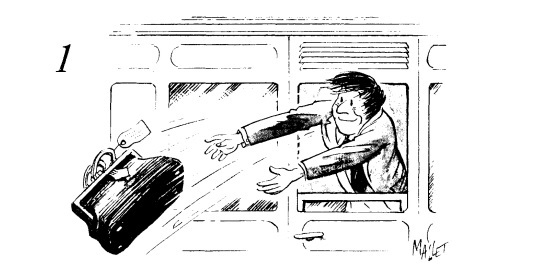
Mr Jones had a few days' holiday, so he said, 'I'm going to go to the mountains by train. He put on his best clothes, took a small bag, went to the station and got into the train. He had a beautiful hat, and he often put his head out of the window during the trip and looked at the mountains. But the wind pulled his hat off.
Mr Jones quickly took his old bag and threw that out of the window too.
The other people in the carriage laughed. Is your bag going to bring your beautiful hat back?" they asked.
'No,' Mr Jones answered, 'but there's no name and no address in my hat, and there's a name and an address on the bag. Someone's going to find both of them near cach other, ad he's going to send me the bag and the hat.' 🔊 داستان شماره 1
آقای جونز یک تعطیلی چند روزه داشت پس با خود گفت قرار است با قطار به کوهستان بروم. او بهترین لباس هایش را به تن کرد کیف کوچکی برداشت و عازم ایستگاه راه اهن شد و سوار قطار شد . او کلاه زیبایی بر سر داشت و در حین سفر اغلب سرش را از پنجره قطار بیرون می برد و به کوهها مینگریست. اما باد کلاه او را با خود برد.
اقای جونز بسرعت کیف کهنه اش را برداشت و آن را نیز به بیرون انداخت.
مسافران دیگری که داخل واگن بودندخندیدند و از وی پرسیدند:ایا قرار است کیف شماکلاه زیبای شما را بازگرداند?
اقای جونز پاسخ داد: خیر;اما هیچ اسم و ادرسی بر روی کلاه نبود در حالیکه روی کیف یک نام و نشانی هست. شخصی هر دو انها را در نزدیکی هم پیدا خواهد کرد و هم کیف و هم کلاه را برای من خواهد فرستاد:.
Mr Jones had a few days' holiday, so he said, 'I'm going to go to the mountains by train. He put on his best clothes, took a small bag, went to the station and got into the train. He had a beautiful hat, and he often put his head out of the window during the trip and looked at the mountains. But the wind pulled his hat off.
Mr Jones quickly took his old bag and threw that out of the window too.
The other people in the carriage laughed. Is your bag going to bring your beautiful hat back?" they asked.
'No,' Mr Jones answered, 'but there's no name and no address in my hat, and there's a name and an address on the bag. Someone's going to find both of them near cach other, ad he's going to send me the bag and the hat.' 🔊 داستان شماره 1
آقای جونز یک تعطیلی چند روزه داشت پس با خود گفت قرار است با قطار به کوهستان بروم. او بهترین لباس هایش را به تن کرد کیف کوچکی برداشت و عازم ایستگاه راه اهن شد و سوار قطار شد . او کلاه زیبایی بر سر داشت و در حین سفر اغلب سرش را از پنجره قطار بیرون می برد و به کوهها مینگریست. اما باد کلاه او را با خود برد.
اقای جونز بسرعت کیف کهنه اش را برداشت و آن را نیز به بیرون انداخت.
مسافران دیگری که داخل واگن بودندخندیدند و از وی پرسیدند:ایا قرار است کیف شماکلاه زیبای شما را بازگرداند?
اقای جونز پاسخ داد: خیر;اما هیچ اسم و ادرسی بر روی کلاه نبود در حالیکه روی کیف یک نام و نشانی هست. شخصی هر دو انها را در نزدیکی هم پیدا خواهد کرد و هم کیف و هم کلاه را برای من خواهد فرستاد:.
Passage 1
🔊
داستان شماره 1
Mr Jones had a few days’ holiday
🔊
اقای جونز یک تعطیلی چند روزه داشت
so he said
🔊
:پس با خود گفت
" ‘I’m going to go to the mountains by train’."
🔊
"قرار است با قطار به کوهستان بروم."
He put on his best clothes
🔊
او بهترین لباس هایش را به تن کرد
took a small bag
🔊
،کیف کوچکی برداشت
went to the station and got into the train.
🔊
و عازم ایستگاه راه اهن شد و سوار قطار شد .
He had a beautiful hat
🔊
او کلاه زیبایی بر سر داشت
and he often put his head out of the window during the trip
🔊
و در حین سفر اغلب سرش را از پنجره قطار بیرون می برد
and looked at the mountains.
🔊
و به کوهها مینگریست.
But the wind pulled his hat off.
🔊
اما باد کلاه او را با خود برد.
Mr Jones quickly took his old bag and threw that out of the window too.
🔊
اقای جونز بسرعت کیف کهنه اش را برداشت و آن را نیز به بیرون انداخت.
The other people in the carriage laughed.
🔊
مسافران دیگری که داخل واگن بودندخندیدند
Is your bag going to bring your beautiful hat back?" they asked.
🔊
و از وی پرسیدند:"ایا قرار است کیف شماکلاه زیبای شما را بازگرداند?"
'No' Mr Jones answered 'but there's no name and no address in my hat
🔊
اقای جونز پاسخ داد:" خیر;اما هیچ اسم و ادرسی بر روی کلاه نبود
and there's a name and an address on the bag.
🔊
در حالیکه روی کیف یک نام و نشانی هست.
Someone's going to find both of them near each other
🔊
شخصی هر دو انها را در نزدیکی هم پیدا خواهد کرد
and he's going to send me the bag and the hat.'
🔊
و هم کیف و هم کلاه را برای من خواهد فرستاد:."
Passage 2
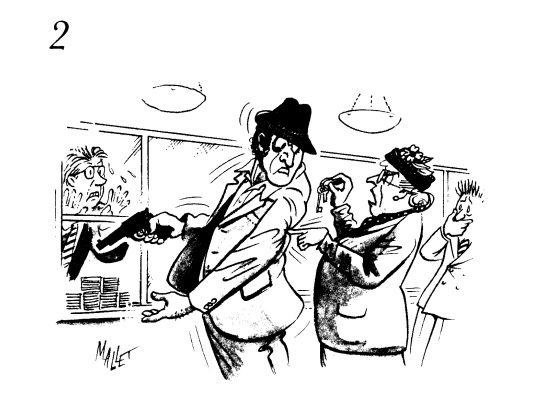
An old lady went out shopping last Tuesday. She came to a bank and saw a car near the door. A man got out of it and went into the bank. She looked into the car. The keys were in the lock.
The old lady took the keys and followed the man into the bank.
The man took a gun out of his pocket and said to the clerk, 'Give me all the money!"
But the old lady did not see this. She went to the man, put the keys in his hand and said, 'Young man, you're stupid! Never leave your keys in your car: someone's going to steal it! The man looked at the old woman for a few seconds. Then he looked at the clerk-and then he took his keys, ran out of the bank, got into his car and drove away quickly, without any money. 🔊 داستان شماره 2
سه شنبه گذشته ،خانمی سالخورده بقصد خرید از منزل خارج شد. او به سوی بانک امد و اتومبیلی را نزدیک در بانک مشاهده کرد. مردی از اتومبیل خارج شد و به داخل بانک رفت او ]خانم سالخورده[ به درون ماشین نگاه کرد. کلیدهای او درون قفل ماشین مانده بودند.
خانم سالخورده کلیدها را برداشت و آن مرد را تا داخل بانک دنبال کرد. مرد اسلحه ای از جیبش درآورد و به کارمند بانک گفت: همه ی پول ها را به من بده.
اما بانوی سالخورده اسلحه را ندید و به سوی آن مرد رفت ، کلیدها را در دست او گذاشت و گفت: تو احمق هستی مرد جوان! هرگز کلیدهایت را داخل اتومبیل نگذار. ممکن است کسی آن را بدزدد. مرد برای چند ثانیه به پیرزن نگاه کرد ، سپس نگاهی به کارمند بانک انداخت و بعد کلیدهایش را برداشت و از بانک گریخت. او سوار اتومبیلش شد و بسرعت از انجا دور شد. بدون هیچ پولی
An old lady went out shopping last Tuesday. She came to a bank and saw a car near the door. A man got out of it and went into the bank. She looked into the car. The keys were in the lock.
The old lady took the keys and followed the man into the bank.
The man took a gun out of his pocket and said to the clerk, 'Give me all the money!"
But the old lady did not see this. She went to the man, put the keys in his hand and said, 'Young man, you're stupid! Never leave your keys in your car: someone's going to steal it! The man looked at the old woman for a few seconds. Then he looked at the clerk-and then he took his keys, ran out of the bank, got into his car and drove away quickly, without any money. 🔊 داستان شماره 2
سه شنبه گذشته ،خانمی سالخورده بقصد خرید از منزل خارج شد. او به سوی بانک امد و اتومبیلی را نزدیک در بانک مشاهده کرد. مردی از اتومبیل خارج شد و به داخل بانک رفت او ]خانم سالخورده[ به درون ماشین نگاه کرد. کلیدهای او درون قفل ماشین مانده بودند.
خانم سالخورده کلیدها را برداشت و آن مرد را تا داخل بانک دنبال کرد. مرد اسلحه ای از جیبش درآورد و به کارمند بانک گفت: همه ی پول ها را به من بده.
اما بانوی سالخورده اسلحه را ندید و به سوی آن مرد رفت ، کلیدها را در دست او گذاشت و گفت: تو احمق هستی مرد جوان! هرگز کلیدهایت را داخل اتومبیل نگذار. ممکن است کسی آن را بدزدد. مرد برای چند ثانیه به پیرزن نگاه کرد ، سپس نگاهی به کارمند بانک انداخت و بعد کلیدهایش را برداشت و از بانک گریخت. او سوار اتومبیلش شد و بسرعت از انجا دور شد. بدون هیچ پولی
Passage 2
🔊
داستان شماره 2
An old lady went out shopping last Tuesday.
🔊
سه شنبه گذشته ،خانمی سالخورده بقصد خرید از منزل خارج شد.
She came to a bank and saw a car near the door.
🔊
او به سوی بانک امد و اتومبیلی را نزدیک در بانک مشاهده کرد.
A man got out of it and went into the bank.
🔊
مردی از اتومبیل خارج شد و به داخل بانک رفت
She looked into the car.
🔊
.او ]خانم سالخورده[ به درون ماشین نگاه کرد.
The keys were in the lock.
🔊
کلیدهای او درون قفل ماشین مانده بودند.
The old lady took the keys and followed the man into the bank.
🔊
خانم سالخورده کلیدها را برداشت و آن مرد را تا داخل بانک دنبال کرد.
The man took a gun out of his pocket
🔊
مرد اسلحه ای از جیبش درآورد
and said to the clerk
🔊
و به کارمند بانک گفت:
Give me all the money
🔊
"همه ی پول ها را به من بده."
But the old lady did not see this.
🔊
اما بانوی سالخورده اسلحه را ندید
She went to the man
🔊
و به سوی آن مرد رفت ،
put the keys in his hand
🔊
کلیدها را در دست او گذاشت
and said
🔊
و گفت:
'Young man you're stupid!
🔊
تو احمق هستی مرد جوان!
Never leave your keys in your car:
🔊
هرگز کلیدهایت را داخل اتومبیل نگذار.
someone's going to steal it!
🔊
ممکن است کسی آن را بدزدد."
The man looked at the old woman for a few seconds.
🔊
مرد برای چند ثانیه به پیرزن نگاه کرد ،
Then he looked at the clerk
🔊18
سپس نگاهی به کارمند بانک انداخت
and then he took his keys
🔊
و بعد کلیدهایش را برداشت
ran out of the bank
🔊
و از بانک گریخت.
got into his car and
🔊
او سوار اتومبیلش شد
drove away quickly
🔊
و بسرعت از انجا دور شد.
without any money.
🔊
بدون هیچ پولی
Passage 3
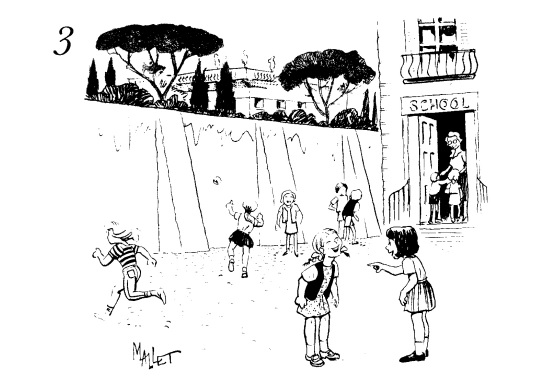
Mary was an English girl, but she lived in Rome. She was six years old. Last year her mother said to her, 'You're six years old now, Mary, and you're going to begin going to a school here. You're going to like it very much, because it's a nice school.
'Is it an English school?' Mary asked. 'Yes, it is,' her mother said. Mary went to the school, and enjoyed her lessons. Her mother always took her to school in the morning and brought her home in the afternoon. Last Monday her mother went to the school at 4 o'clock, and Mary ran out of her class. 'We've got a new girl in our class today, Mummy,' she said. 'She's six years old too, and she's very nice, but she isn't English. She's German.'
'Does she speak English?" Mary's mother asked. 'No, but she laughs in English,' Mary said happily. 🔊 داستان شماره 3
مری یک دختر انگلیسی بود اما در رم زندگی میکرد. او شش سال داشت. سال گذشته مادرش به او گفت: تو الان شش سال داری و قرار است که رفتن به مدرسه یک اینجا را شروع کنی. تو آن را بسیار دوست خواهی داشت، چرا که مدرسه دلپذیر است .
مری پرسید : آیا یک مدرسه انگلیسی است . مادر پاسخ داد : بله ، یک مدرسه انگلیسی است . مری به مدرسه رفت و از دروس آن لذت می برد . همیشه مادرش او را به هنگام صبح به مدرسه می برد و بعد از ظهر به منزل می آورد. دوشنبه گذشته ساعت 4مادر مری به مدرسه رفت و مری از کلاسش بیرون دوید . او گفت : مادر ، ما امروز در کلاسمان یک دختر جدید داریم او هم شش سال دارد و دختر خیلی خوبی است . اما او انگلیسی نیست ، آلمانی است .
مادر مری پرسید : آیا او انگلیسی صحبت می کند ؟ مری با خوشحالی گفت : نه ، ولی او به زبان انگلیسی میخندد .!
Mary was an English girl, but she lived in Rome. She was six years old. Last year her mother said to her, 'You're six years old now, Mary, and you're going to begin going to a school here. You're going to like it very much, because it's a nice school.
'Is it an English school?' Mary asked. 'Yes, it is,' her mother said. Mary went to the school, and enjoyed her lessons. Her mother always took her to school in the morning and brought her home in the afternoon. Last Monday her mother went to the school at 4 o'clock, and Mary ran out of her class. 'We've got a new girl in our class today, Mummy,' she said. 'She's six years old too, and she's very nice, but she isn't English. She's German.'
'Does she speak English?" Mary's mother asked. 'No, but she laughs in English,' Mary said happily. 🔊 داستان شماره 3
مری یک دختر انگلیسی بود اما در رم زندگی میکرد. او شش سال داشت. سال گذشته مادرش به او گفت: تو الان شش سال داری و قرار است که رفتن به مدرسه یک اینجا را شروع کنی. تو آن را بسیار دوست خواهی داشت، چرا که مدرسه دلپذیر است .
مری پرسید : آیا یک مدرسه انگلیسی است . مادر پاسخ داد : بله ، یک مدرسه انگلیسی است . مری به مدرسه رفت و از دروس آن لذت می برد . همیشه مادرش او را به هنگام صبح به مدرسه می برد و بعد از ظهر به منزل می آورد. دوشنبه گذشته ساعت 4مادر مری به مدرسه رفت و مری از کلاسش بیرون دوید . او گفت : مادر ، ما امروز در کلاسمان یک دختر جدید داریم او هم شش سال دارد و دختر خیلی خوبی است . اما او انگلیسی نیست ، آلمانی است .
مادر مری پرسید : آیا او انگلیسی صحبت می کند ؟ مری با خوشحالی گفت : نه ، ولی او به زبان انگلیسی میخندد .!
Passage 3
🔊
داستان شماره 3
Mary was an English girl
🔊
مری یک دختر انگلیسی بود
but she lived in Rome.
🔊
اما در رم زندگی میکرد.
She was six years old.
🔊
او شش سال داشت.
Last year her mother said to her
🔊
سال گذشته مادرش به او گفت:
'You're six years old now Mary
🔊
"تو الان شش سال داری
and you're going to begin going to a school here.
🔊
و قرار است که رفتن به مدرسه یک اینجا را شروع کنی.
You're going to like it very much
🔊
تو آن را بسیار دوست خواهی داشت،
because it's a nice school.
🔊
چرا که مدرسه دلپذیر است .
'Is it an English school?' Mary asked.
🔊
" مری پرسید :" آیا یک مدرسه انگلیسی است ."
'Yes it is' her mother said.
🔊
مادر پاسخ داد :" بله ، یک مدرسه انگلیسی است ."
Mary went to the school
🔊
مری به مدرسه رفت
and enjoyed her lessons.
🔊
و از دروس آن لذت می برد .
Her mother always took her to school in the morning
🔊
همیشه مادرش او را به هنگام صبح به مدرسه می برد
and brought her home in the afternoon.
🔊
و بعد از ظهر به منزل می آورد.
Last Monday her mother went to the school at 4 o'clock
🔊
دوشنبه گذشته ساعت 4مادر مری به مدرسه رفت
and Mary ran out of her class.
🔊
و مری از کلاسش بیرون دوید .
'We've got a new girl in our class today, Mummy,' she said.
🔊
او گفت :" مادر ، ما امروز در کلاسمان یک دختر جدید داریم
'She's six years old too,
🔊
او هم شش سال دارد
and she's very nice,
🔊
و دختر خیلی خوبی است .
but she isn't English.
🔊
اما او انگلیسی نیست ،
She's German.'
🔊
آلمانی است ."
'Does she speak English?" Mary's mother asked.
🔊
مادر مری پرسید :" آیا او انگلیسی صحبت می کند ؟"
'No, but she laughs in English,' Mary said happily.
🔊
مری با خوشحالی گفت :" نه ، ولی او به زبان انگلیسی میخندد .!
Passage 4
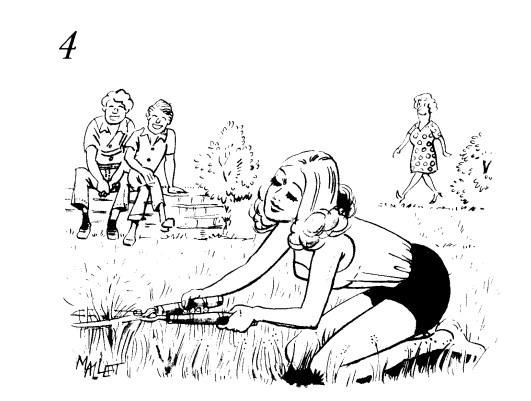
Mrs Jones did not have a husband, but she had two sons. They were big, strong boys, but they were lazy. On Saturdays they did not go to school, and then their mother always said, 'Please cut the grass in the garden this afternoon, boys. The boys did not like it, but they always did it.
Then somebody gave one of the boys a magazine, and he saw a picture of a beautiful lawn-mower in it. There was a seat on it, and there was a woman on the seat.
The boy took the picture to his mother and brother and said to them, 'Look, that woman's sitting on the lawn-mower and driving it and cutting the grass. We want one of those. 'One of those lawn-mowers?' his mother asked.
'No,' the boy said. 'We want one of those women. Then she can cut the grass every week. 🔊 داستان شماره 4
خانم جونز همسری نداشت ، اما او صاحب 2فرزند پسر بود. آنها پسرانی بزرگ، قوی بودند ، اما تنبل بودند.
آنها شنبه ها به مدرسه نمی رفتند از این رو مادرشان همیشه به آنها می گفت : پسرها ، لطفا امروز بعد از ظهر علفهای باغچه را کوتاه کنید . پسرها از این کار خوششان نمی آمد اما همیشه آن را انجام میداند .
یک روز یک نفر مجله ای به یکی از پسرها داد و او تصویر یک ماشین چمن زنی زیبا را در آن دید . در تصویر یک صندلی روی آن بود و یک زن روی آن نشسته بود . پسر تصویر را برای مادر و برادرش برد و به آنها گفت : نگاه کنید ، آن زن روی ماشین چمن زنی نشسته است و آن را میراند و علفها را کوتاه می کند .
ما یکی از آنها را می خواهیم. مادرش پرسید : یکی از آن ماشین های چمن زنی را ؟ پسر گفت : نه ، ما یکی از آن خانم ها را نیاز داریم . در اینصورت او می تواند هر هفته علف ها را کوتاه کند .!
Mrs Jones did not have a husband, but she had two sons. They were big, strong boys, but they were lazy. On Saturdays they did not go to school, and then their mother always said, 'Please cut the grass in the garden this afternoon, boys. The boys did not like it, but they always did it.
Then somebody gave one of the boys a magazine, and he saw a picture of a beautiful lawn-mower in it. There was a seat on it, and there was a woman on the seat.
The boy took the picture to his mother and brother and said to them, 'Look, that woman's sitting on the lawn-mower and driving it and cutting the grass. We want one of those. 'One of those lawn-mowers?' his mother asked.
'No,' the boy said. 'We want one of those women. Then she can cut the grass every week. 🔊 داستان شماره 4
خانم جونز همسری نداشت ، اما او صاحب 2فرزند پسر بود. آنها پسرانی بزرگ، قوی بودند ، اما تنبل بودند.
آنها شنبه ها به مدرسه نمی رفتند از این رو مادرشان همیشه به آنها می گفت : پسرها ، لطفا امروز بعد از ظهر علفهای باغچه را کوتاه کنید . پسرها از این کار خوششان نمی آمد اما همیشه آن را انجام میداند .
یک روز یک نفر مجله ای به یکی از پسرها داد و او تصویر یک ماشین چمن زنی زیبا را در آن دید . در تصویر یک صندلی روی آن بود و یک زن روی آن نشسته بود . پسر تصویر را برای مادر و برادرش برد و به آنها گفت : نگاه کنید ، آن زن روی ماشین چمن زنی نشسته است و آن را میراند و علفها را کوتاه می کند .
ما یکی از آنها را می خواهیم. مادرش پرسید : یکی از آن ماشین های چمن زنی را ؟ پسر گفت : نه ، ما یکی از آن خانم ها را نیاز داریم . در اینصورت او می تواند هر هفته علف ها را کوتاه کند .!
Passage 4
🔊
داستان شماره 4
Mrs Jones did not have a husband,
🔊
خانم جونز همسری نداشت ،
but she had two sons.
🔊
اما او صاحب 2فرزند پسر بود.
They were big, strong boys,
🔊
آنها پسرانی بزرگ، قوی بودند ،
but they were lazy.
🔊
اما تنبل بودند.
On Saturdays they did not go to school,
🔊
آنها شنبه ها به مدرسه نمی رفتند
and then their mother always said,
🔊
از این رو مادرشان همیشه به آنها می گفت :
'Please cut the grass in the garden this afternoon, boys.
🔊
" پسرها ، لطفا امروز بعد از ظهر علفهای باغچه را کوتاه کنید .
The boys did not like it,
🔊
" پسرها از این کار خوششان نمی آمد
but they always did it.
🔊
اما همیشه آن را انجام میداند .
Then somebody gave one of the boys a magazine,
🔊
یک روز یک نفر مجله ای به یکی از پسرها داد
and he saw a picture of a beautiful lawn-mower in it.
🔊
و او تصویر یک ماشین چمن زنی زیبا را در آن دید .
There was a seat on it,
🔊
در تصویر یک صندلی روی آن بود
and there was a woman on the seat.
🔊
و یک زن روی آن نشسته بود .
The boy took the picture to his mother and brother and said to them,
🔊
پسر تصویر را برای مادر و برادرش برد و به آنها گفت :
'Look, that woman's sitting on the lawn-mower and driving it and cutting the grass.
🔊
" نگاه کنید ، آن زن روی ماشین چمن زنی نشسته است و آن را میراند و علفها را کوتاه می کند .
We want one of those.
🔊
ما یکی از آنها را می خواهیم."
'One of those lawn-mowers?' his mother asked.
🔊
مادرش پرسید :" یکی از آن ماشین های چمن زنی را ؟"
'No,' the boy said. 'We want one of those women.
🔊
پسر گفت :" نه ، ما یکی از آن خانم ها را نیاز داریم .
Then she can cut the grass every week.
🔊
در اینصورت او می تواند هر هفته علف ها را کوتاه کند .!
Passage 5
One of Harry's feet was bigger than the other. 'I can never find boots and shoes for my feet,' he said to his friend Dick. 'Why don't you go to a shoemaker?' Dick said. 'A good one can make you the right shoes.
I've never been to a shoemaker, Harry said. 'Aren't they very expensive?"
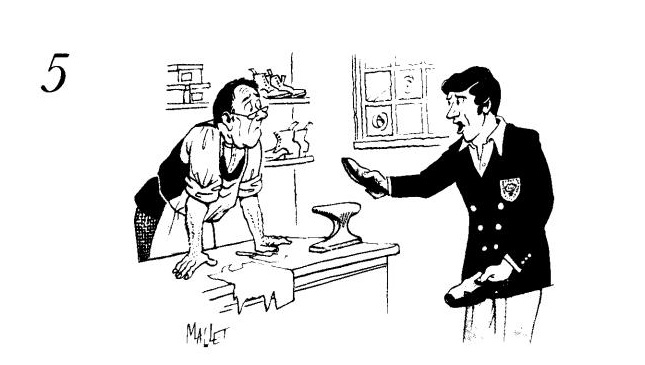
'No,' Dick said, 'some of them aren't. There's a good one in our village, and he's quite cheap. Here's his address. He wrote something on a piece of paper and gave it to Harry. Harry went to the shoemaker in Dick's village a few days later, and the shoemaker made him some shoes.
Harry went to the shop again a week later and looked at the shoes. Then he said to the shoemaker angrily, You're a silly man! I said, "Make one shoe bigger than the other," but you've made one smaller than the other! 🔊 داستان شماره : 5
یکی از پاهای هری بزرگتر از پای دیگرش بود . او به دوستش دیک گفت : من هرگز نمی توانم چکمه و یا کفش برای پاهایم پیدا کنم . دیک گفت : چرا تو به یک کفاش مراجعه نمی کنی ؟ یک کفاش خوب که بتواند کفش مناسب پای تو را درست کند .
هری گفت : من هیچ وقت پیش یک کفاش نرفتم آیا آنها گران نیستند ؟ دیک گفت : نه ! بعضی از آنها نیستند ، یک کفاش خوب در دهکده ما هست و کاملا هم ارزان است . بیا ! این هم آدرسش. او چیزی روی یک تکه کاغذ نوشت و آن را هری داد :
چند روز بعد هری نزد کفاش در دهکده دیک رفت و کفاش برای او چند جفت کفش درست کرد . یک هفته بعد هری دوباره به مغازه کفاشی رفت و به کفش های او نگاهی کرد . سپس با عصبانیت به کفاش گفت تو آدم احمقی هستی من گفتم یک کفش را بزرگتر از دیگری برایم درست کن ، اما تو یکی را کوچکتر از دیگری درست کرده ای.
One of Harry's feet was bigger than the other. 'I can never find boots and shoes for my feet,' he said to his friend Dick. 'Why don't you go to a shoemaker?' Dick said. 'A good one can make you the right shoes.
I've never been to a shoemaker, Harry said. 'Aren't they very expensive?"
'No,' Dick said, 'some of them aren't. There's a good one in our village, and he's quite cheap. Here's his address. He wrote something on a piece of paper and gave it to Harry. Harry went to the shoemaker in Dick's village a few days later, and the shoemaker made him some shoes.
Harry went to the shop again a week later and looked at the shoes. Then he said to the shoemaker angrily, You're a silly man! I said, "Make one shoe bigger than the other," but you've made one smaller than the other! 🔊 داستان شماره : 5
یکی از پاهای هری بزرگتر از پای دیگرش بود . او به دوستش دیک گفت : من هرگز نمی توانم چکمه و یا کفش برای پاهایم پیدا کنم . دیک گفت : چرا تو به یک کفاش مراجعه نمی کنی ؟ یک کفاش خوب که بتواند کفش مناسب پای تو را درست کند .
هری گفت : من هیچ وقت پیش یک کفاش نرفتم آیا آنها گران نیستند ؟ دیک گفت : نه ! بعضی از آنها نیستند ، یک کفاش خوب در دهکده ما هست و کاملا هم ارزان است . بیا ! این هم آدرسش. او چیزی روی یک تکه کاغذ نوشت و آن را هری داد :
چند روز بعد هری نزد کفاش در دهکده دیک رفت و کفاش برای او چند جفت کفش درست کرد . یک هفته بعد هری دوباره به مغازه کفاشی رفت و به کفش های او نگاهی کرد . سپس با عصبانیت به کفاش گفت تو آدم احمقی هستی من گفتم یک کفش را بزرگتر از دیگری برایم درست کن ، اما تو یکی را کوچکتر از دیگری درست کرده ای.
Passage 5
🔊
داستان شماره : 5
One of Harry's feet was bigger than the other.
🔊
یکی از پاهای هری بزرگتر از پای دیگرش بود .
'I can never find boots and shoes for my feet,' he said to his friend Dick.
🔊
او به دوستش دیک گفت ": من هرگز نمی توانم چکمه و یا کفش برای پاهایم پیدا کنم ".
'Why don't you go to a shoemaker?' Dick said.
🔊
دیک گفت ": چرا تو به یک کفاش مراجعه نمی کنی ؟
'A good one can make you the right shoes.
🔊
یک کفاش خوب که بتواند کفش مناسب پای تو را درست کند ".
I've never been to a shoemaker, Harry said.
🔊
هری گفت ": من هیچ وقت پیش یک کفاش نرفتم
Aren't they very expensive?"
🔊
آیا آنها گران نیستند ؟"
'No,' Dick said, 'some of them aren't.
🔊
دیک گفت ": نه ! بعضی از آنها نیستند ،
There's a good one in our village,
🔊
یک کفاش خوب در دهکده ما هست
and he's quite cheap.
🔊
و کاملا هم ارزان است ".
Here's his address.
🔊
بیا ! این هم آدرسش".
He wrote something on a piece of paper and gave it to Harry.
🔊
او چیزی روی یک تکه کاغذ نوشت و آن را هری داد ":
Harry went to the shoemaker in Dick's village a few days later,
🔊
چند روز بعد هری نزد کفاش در دهکده دیک رفت
and the shoemaker made him some shoes.
🔊
و کفاش برای او چند جفت کفش درست کرد .
Harry went to the shop again a week later
🔊
یک هفته بعد هری دوباره به مغازه کفاشی رفت
and looked at the shoes.
🔊
و به کفش های او نگاهی کرد .
Then he said to the shoemaker angrily,
🔊
سپس با عصبانیت به کفاش گفت
You're a silly man!
🔊
": تو آدم احمقی هستی .
I said, "Make one shoe bigger than the other," but you've
made one smaller than the other!
🔊
من گفتم یک کفش را بزرگتر از دیگری برایم درست کن ، اما تو یکی را کوچکتر از دیگری درست کرده ای .
Passage 6
Joe Richards finished school when he was 18, and then his
father said to him, 'You've passed your examinations now, Joe,
and you got good marks in them. Now go and get some goop
work. They're looking for clever people at the bank in the town.
The clerks there get quite a lot of money now.
A few days later, Joe went to the bank and asked for work
there. A man took him into a small room and gave him some
questions on a piece of paper. Joe wrote his answers on the
paper, and then he gave them to the man.
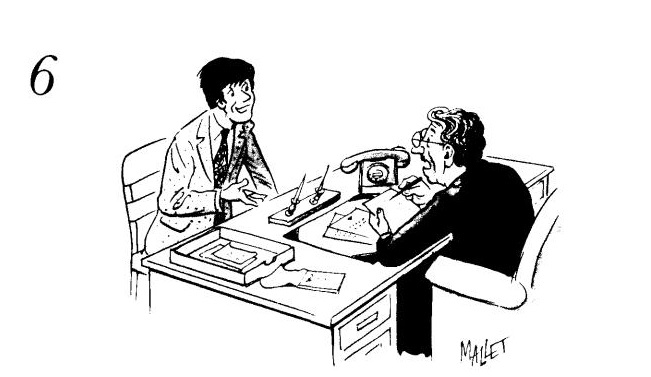
The man looked at them for a few minutes, and then he took
a pen and said to Joe, 'Your birthday was on the 12th of June,
Mr Richards?"
'Yes, sir,' Joe said.
'What year?' the man asked.'Oh, every year, sir,' Joe said.
🔊
داستان شماره : 6
جو ریچاردز مدرسه را زمانیکه 18سال داشت به پایان رساند
و سپس پدرش به او گفت :
جو ، اکنون تو امتحاناتت را با موفقیت پشت سر گذاشتی
و نمرات خوبی هم گرفته ای .
حالا برو و یک کار خوب پیدا کن .
در شهر در جستجوی آدم های باهوش برای کار در بانک هستند.
کارمندان آنجا در حال حاضر پول بسیار زیادی دریافت می کنند .
چند روز بعد ،
جو به بانک شهر رفت و تقاضای کار کرد .
یک نفر او را به یک اتاق کوچک برد
و چند سوال بر روی یک تکه کاغذ به او داد .
جو پاسخ هایش را روی کاغذ نوشت
و سپس آن را به آن مرد داد .
مرد چند دقیقه ای پاسخ ها را نگاه کرد
و سپس خودکاری برداشت و خطاب به جو گفت
تولد شما دوازدهم ژوئن بود آقای ریچارد ؟
جو گفت : بله قربان .
مرد پرسید : چه سالی ؟
جو گفت : اوه ، هر سال قربان !.
Passage 6
🔊
داستان شماره : 6
Joe Richards finished school when he was 18,
🔊
جو ریچاردز مدرسه را زمانیکه 18سال داشت به پایان رساند
and then his father said to him,
🔊
و سپس پدرش به او گفت ":
'You've passed your examinations now, Joe,
🔊
جو ، اکنون تو امتحاناتت را با موفقیت پشت سر گذاشتی
and you got good marks in them.
🔊
و نمرات خوبی هم گرفته ای .
Now go and get some good work.
🔊
حالا برو و یک کار خوب پیدا کن .
They're looking for clever people at the bank in the town.
🔊
در شهر در جستجوی آدم های باهوش برای کار در بانک هستند.
The clerks there get quite a lot of money now.
🔊
کارمندان آنجا در حال حاضر پول بسیار زیادی دریافت می کنند ".
A few days later,
🔊
چند روز بعد ،
Joe went to the bank and asked for work there.
🔊
جو به بانک شهر رفت و تقاضای کار کرد .
A man took him into a small room
🔊
یک نفر او را به یک اتاق کوچک برد
and gave him some questions on a piece of paper.
🔊
و چند سوال بر روی یک تکه کاغذ به او داد .
Joe wrote his answers on the paper,
🔊
جو پاسخ هایش را روی کاغذ نوشت
and then he gave them to the man.
🔊
و سپس آن را به آن مرد داد .
The man looked at them for a few minutes,
🔊
مرد چند دقیقه ای پاسخ ها را نگاه کرد
and then he took a pen and said to Joe,
🔊
و سپس خودکاری برداشت و خطاب به جو گفت
'Your birthday was on the 12th of June,Mr Richards?"
🔊
:" تولد شما دوازدهم ژوئن بود آقای ریچارد ؟"
'Yes, sir,' Joe said.
🔊
جو گفت ": بله قربان ".
'What year?' the man asked.
🔊
مرد پرسید ": چه سالی ؟"
'Oh, every year, sir,' Joe said.
🔊
جو گفت ": اوه ، هر سال قربان "!.
Passage 7
Fred works in a factory. He does not have a wife, and he gets
quite a lot of money every week. He loves cars, and has a new
one every year. He likes driving very fast, and he always buys
small, fast, red cars. He sometimes takes his mother out
them, and then she always says, 'But, Fred, why do you drive
these cars? We're almost sitting on the road!
in Then Fred laughs and is happy. He likes being very near the
road.
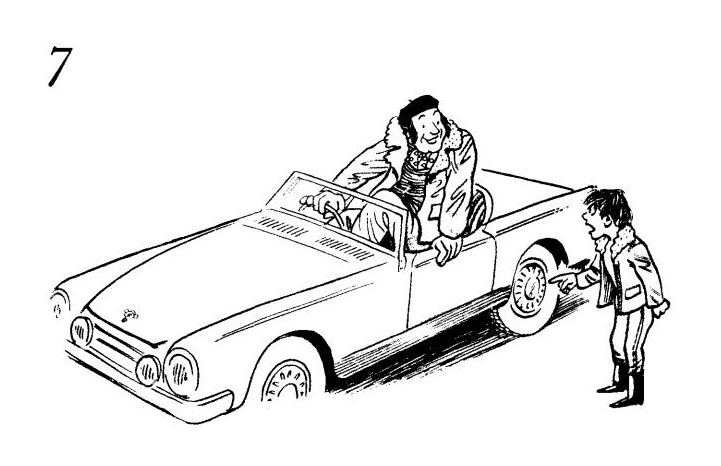
Fred is very tall and very fat.
Last week he came out of a shop and went to his car. There
was a small boy near it. He was looking at the beautiful red car.
Then he looked up and saw Fred.
'How do you get into that small car?" he asked him.
Fred laughed and said, 'I don't get into it. I put it on.
🔊
داستان شماره : 7
فِرِد در یک کارخانه کار میکند.
او همسر ندارد
و هر هفته پولِ نسبتاً زیادی میگیرد.
او عاشق ماشین است
و هر سال یک ماشین جدید میخرد.
او دوست دارد خیلی سریع رانندگی کند
و همیشه ماشینهای قرمز پرسرعت کوچک را میخرد.
گاهی مادرش را با آنها بیرون میبرد
و مادرش همیشه میگوید:
اما فِرِد، چرا این ماشینها را میرانی؟
ما تقریباً روی جاده نشستهایم!
بعد فِرِد میخندد و خوشحال میشود.
او دوست دارد خیلی نزدیکِ جاده باشد.
فِرِد مردی خیلی قدبلند و خیلی چاق است.
هفتهی گذشته او از یک مغازه بیرون آمد و به سمت ماشینش رفت
پسری کوچک نزدیک آن بود
او داشت به ماشین قرمزِ زیبای فِرِد نگاه میکرد.
بعد سرش را بالا آورد و فِرِد را دید.
پرسید: چطور وارد این ماشینِ کوچک میشوی؟
فِرِد خندید و گفت:
من واردش نمیشوم. من آن را میپوشم
Passage 7
🔊
داستان شماره : 7
Fred works in a factory.
🔊
فِرِد در یک کارخانه کار میکند.
He does not have a wife,
🔊
او همسر ندارد
and he gets quite a lot of money every week.
🔊
و هر هفته پولِ نسبتاً زیادی میگیرد.
He loves cars,
🔊
او عاشق ماشین است
and has a new one every year.
🔊
و هر سال یک ماشین جدید میخرد.
He likes driving very fast,
🔊
او دوست دارد خیلی سریع رانندگی کند
and he always buys small, fast, red cars.
🔊
و همیشه ماشینهای قرمز پرسرعت کوچک را میخرد.
He sometimes takes his mother out them,
🔊
گاهی مادرش را با آنها بیرون میبرد
and then she always says,
🔊
و مادرش همیشه میگوید:
'But, Fred, why do you drive these cars?
🔊
«اما فِرِد، چرا این ماشینها را میرانی؟
We're almost sitting on the road!
🔊
ما تقریباً روی جاده نشستهایم!»
Then Fred laughs and is happy.
🔊
بعد فِرِد میخندد و خوشحال میشود.
He likes being very near the road.
🔊
او دوست دارد خیلی نزدیکِ جاده باشد.
Fred is very tall and very fat.
🔊
فِرِد مردی خیلی قدبلند و خیلی چاق است.
Last week he came out of a shop and went to his car.
🔊
هفتهی گذشته او از یک مغازه بیرون آمد و به سمت ماشینش رفت
There was a small boy near it.
🔊
.پسری کوچک نزدیک آن بود
He was looking at the beautiful red car.
🔊
او داشت به ماشین قرمزِ زیبای فِرِد نگاه میکرد.
Then he looked up and saw Fred.
🔊
بعد سرش را بالا آورد و فِرِد را دید.
'How do you get into that small car?" he asked him.
🔊
پرسید: «چطور وارد این ماشینِ کوچک میشوی؟»
Fred laughed and said,
🔊
فِرِد خندید و گفت:
'I don't get into it. I put it on.
🔊
من واردش نمیشوم. من آن را میپوشم
Passage 8
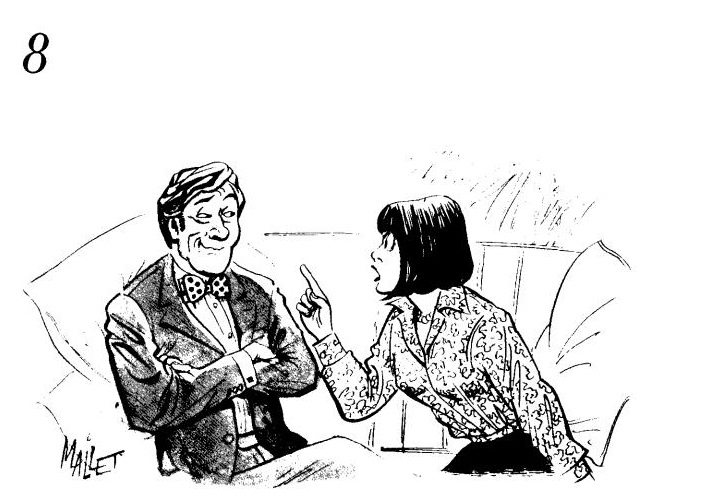
Mr and Mrs Yates had one daughter. Her name was Carol,
and she was nineteen years old. Carol lived with her parents
and worked in an office. She had some friends, but she did not
like any of the boys very much.
Then she met a very nice young man. His name was George
Watts, and he worked in a bank near her oflice. They went out
together quite a lot, and he came to Carol's parents' house
twice, and then last week Carol went to her father and said,
'I'm going to marry George Watts, Daddy. He was here yester-
day.
'Oh, yes,' her father said. 'He's a nice boy-but has he got
any money?"
'Oh, men! All of you are the same, the daughter answered
angrily. 'I met George on the first of June and on the second he
said to me, "Has your father got any money?"
🔊
داستان شماره: 8
آقای و خانم یتس یک دختر داشتند.
نام او کارول بود
و او نوزده ساله بود.
کارول با والدینش زندگی میکرد
و در یک دفتر کار میکرد.
او دوستانی داشت،
اما پسرها را خیلی دوست نداشت.
سپس او با یک مرد جوان بسیار خوب آشنا شد
نام او جورج واتس بود
و او در بانکی نزدیک دفتر کارش کار میکرد.
آنها نسبتاً زیاد با هم بیرون میرفتند
و او دو بار به خانه والدین کارول آمد
و سپس هفته گذشته کارول نزد پدرش رفت و گفت:
من قصد دارم با جورج واتس ازدواج کنم، پدر جان.
او دیروز اینجا بود.
پدرش گفت: اوه، بله
پسر خوبی است،
اما آیا او پولی دارد؟
اوه، مردها! همه شما مثل هم هستید.
دختر با عصبانیت جواب داد
من در اول ژوئن با جورج آشنا شدم
و در دوم ژوئن او به من گفت
آیا پدرت پولی دارد؟
Passage 8
🔊
داستان شماره: 8
Mr and Mrs Yates had one daughter.
🔊
آقای و خانم یتس یک دختر داشتند.
Her name was Carol,
🔊
نام او کارول بود
and she was nineteen years old.
🔊
و او نوزده ساله بود.
Carol lived with her parents
🔊
کارول با والدینش زندگی میکرد
and worked in an office.
🔊
و در یک دفتر کار میکرد.
She had some friends,
🔊
او دوستانی داشت،
but she did not like any of the boys very much.
🔊
اما پسرها را خیلی دوست نداشت.
Then she met a very nice young man.
🔊
سپس او با یک مرد جوان بسیار خوب آشنا شد
His name was George Watts,
🔊
نام او جورج واتس بود
and he worked in a bank near her office.
🔊
و او در بانکی نزدیک دفتر کارش کار میکرد.
They went out together quite a lot,
🔊
آنها نسبتاً زیاد با هم بیرون میرفتند
and he came to Carol's parents' house twice,
🔊
و او دو بار به خانه والدین کارول آمد
and then last week Carol went to her father and said,
🔊
و سپس هفته گذشته کارول نزد پدرش رفت و گفت:
'I'm going to marry George Watts, Daddy.
🔊
«من قصد دارم با جورج واتس ازدواج کنم، پدر جان.
He was here yesterday.'
🔊
او دیروز اینجا بود.»
'Oh, yes,' her father said.
🔊
پدرش گفت: «اوه، بله
'He's a nice boy-
🔊
. پسر خوبی است،
but has he got any money?'
🔊
اما آیا او پولی دارد؟»
'Oh, men! All of you are the same,'
🔊
«اوه، مردها! همه شما مثل هم هستید.
the daughter answered angrily.
🔊
دختر با عصبانیت جواب داد
'I met George on the first of June
🔊
من در اول ژوئن با جورج آشنا شدم
and on the second he said to me,
🔊
و در دوم ژوئن او به من گفت
"Has your father got any money?"'
🔊
"آیا پدرت پولی دارد؟"»
Passage 9
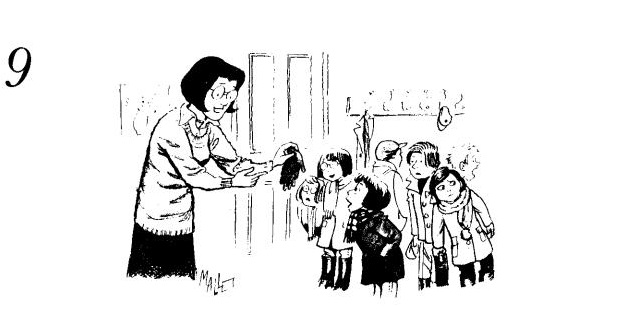
Miss Williams was a teacher, and there were thirty small
children in her class. They were nice children, and Miss
Williams liked all of them, but they often lost clothes. It was
winter, and the weather was very cold. The children's mothers
always sent them to school with warm coats and hats and
gloves. The children came into the classroom in the morning
and took off their coats and hats and gloves. They put their
coats and hats on hooks on the wall, and they put their gloves in
the pockets of their coats.
Last Tuesday Miss Williams found two small blue gloves on
the floor in the evening, and in the morning she said to the
children, 'Whose gloves are these?", but no one answered.
Then she looked at Dick. 'Haven't you got blue gloves,
Dick?' she asked him.
'Yes, miss,' he answered, 'but those can't be mine. I've lost
mine.
🔊
درس شماره: 9
خانم ویلیامز معلم بود
و سی بچه کوچک در کلاس او بودند.
آنها بچههای خوبی بودند
و خانم ویلیامز همهشان را دوست داشت
اما اغلب لباسهایشان را گم میکردند.
زمستان بود
و هوا خیلی سرد بود.
مادران بچهها همیشه آنها به مدرسه میفرستادند
را با کت، کلاه و دستکش گرم
بچهها صبح وارد کلاس میشدند
و کت، کلاه و دستکشهایشان را در میآوردند.
کتها و کلاههایشان را روی چوبلباسی دیوار آویزان میکردند
و دستکشهایشان را در جیب کتهایشان میگذاشتند.
سهشنبه گذشته خانم ویلیامز عصر دو دستکش آبی روی زمین پیدا کرد
و صبح به بچهها گفت:
این دستکشهای کیست؟
اما هیچکس جواب نداد.
بعد به دیک نگاه کرد.
دیک، تو دستکش آبی نداری؟از او پرسید:
او جواب داد، بله خانم:
اما اینها مال من نمیتواند باشد.
من دستکشهای خودم را گم کردهام.
Passage 9
🔊
درس شماره: 9
Miss Williams was a teacher,
🔊
خانم ویلیامز معلم بود
and there were thirty small children in her class.
🔊
و سی بچه کوچک در کلاس او بودند.
They were nice children,
🔊
آنها بچههای خوبی بودند
and Miss Williams liked all of them,
🔊
و خانم ویلیامز همهشان را دوست داشت
but they often lost clothes.
🔊
اما اغلب لباسهایشان را گم میکردند.
It was winter,
🔊
زمستان بود
and the weather was very cold.
🔊
و هوا خیلی سرد بود.
The children's mothers always sent them to school
🔊
مادران بچهها همیشه آنها به مدرسه میفرستادند
with warm coats and hats and gloves.
🔊
را با کت، کلاه و دستکش گرم
The children came into the classroom in the morning
🔊
بچهها صبح وارد کلاس میشدند
and took off their coats and hats and gloves.
🔊
و کت، کلاه و دستکشهایشان را در میآوردند.
They put their coats and hats on hooks on the wall,
🔊
کتها و کلاههایشان را روی چوبلباسی دیوار آویزان میکردند
and they put their gloves in the pockets of their coats.
🔊
و دستکشهایشان را در جیب کتهایشان میگذاشتند.
Last Tuesday Miss Williams found two small blue gloves on the floor in the evening,
🔊
سهشنبه گذشته خانم ویلیامز عصر دو دستکش آبی روی زمین پیدا کرد
and in the morning she said to the children,
🔊
و صبح به بچهها گفت:
'Whose gloves are these?",
🔊
«این دستکشهای کیست؟»
but no one answered.
🔊
اما هیچکس جواب نداد.
Then she looked at Dick.
🔊
بعد به دیک نگاه کرد.
'Haven't you got blue gloves, Dick?'she asked him.
🔊
«دیک، تو دستکش آبی نداری؟»از او پرسید:
'Yes, miss,' he answered,
🔊
او جواب داد، بله خانم:
'but those can't be mine.
🔊
«اما اینها مال من نمیتواند باشد.
I've lost mine.
🔊
من دستکشهای خودم را گم کردهام.»
Passage 10
Whitebridge was a small village, and old people often came
and lived there. Some of them had a lot of old furniture, and
they often did not want some of it, because they were in
smaller house now, so every Saturday morning they put it out,
and other people came and looked at it, and sometimes they
took it away because they wanted it.
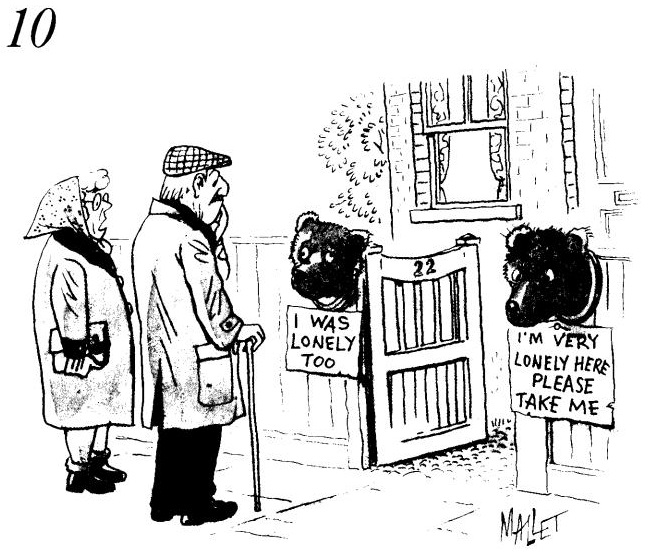
Every Saturday, Mr and Mrs Morton put a very ugly old
bear's head out at the side of their gate, but nobody wanted it.
Then last Saturday, they wrote, 'I'm very lonely here. Please
take me,' on a piece of paper and put it near the bear's head.
They went to to the town, and came home in the evening.
There were now two bears' heads in front of their house, and
there was another piece of paper. It said, 'I was lonely too.
🔊
درس شماره: 10
روستای وایتبریج یک روستای کوچک بود
و افراد مسن اغلب به آنجا میآمدند
و زندگی میکردند.
برخی از آنها وسایل مبلمان قدیمی زیادی داشتند
و اغلب برخی از آنها را نمیخواستند،
زیرا اکنون در خانههای کوچکتری زندگی میکردند،
بنابراین هر صبح شنبه آن را بیرون میگذاشتند
و افراد دیگر میآمدند و به آن نگاه میکردند
و گاهی آن را میبردند
چون آن را میخواستند.
هر شنبه،
آقای و خانم مورتون یک سر خرس بسیار زشت قدیمی را کنار دروازه خود بیرون میگذاشتند،
اما هیچکس آن را نمیخواست.
سپس شنبه گذشته، آنها نوشتند:
من اینجا خیلی تنها هستم.
لطفاً مرا ببرید
روی تکه کاغذی
و آن را نزدیک سر خرس گذاشتند.
آنها به شهر رفتند
و عصر به خانه برگشتند.
اکنون دو سر خرس جلوی خانهشان بود
و یک تکه کاغذ دیگر نیز وجود داشت.
روی آن نوشته بود: من هم تنها بودم.
Passage 10
🔊
درس شماره: 10
Whitebridge was a small village,
🔊
روستای وایتبریج یک روستای کوچک بود
and old people often came
🔊
و افراد مسن اغلب به آنجا میآمدند
and lived there.
🔊
و زندگی میکردند.
Some of them had a lot of old furniture,
🔊
برخی از آنها وسایل مبلمان قدیمی زیادی داشتند
and they often did not want some of it,
🔊
و اغلب برخی از آنها را نمیخواستند،
because they were in smaller houses now,
🔊
زیرا اکنون در خانههای کوچکتری زندگی میکردند،
so every Saturday morning they put it out,
🔊
بنابراین هر صبح شنبه آن را بیرون میگذاشتند
and other people came and looked at it,
🔊
و افراد دیگر میآمدند و به آن نگاه میکردند
and sometimes they took it away
🔊
و گاهی آن را میبردند
because they wanted it.
🔊
چون آن را میخواستند.
Every Saturday,
🔊
هر شنبه،
Mr and Mrs Morton put a very ugly old bear's head out at the side of their gate,
🔊
آقای و خانم مورتون یک سر خرس بسیار زشت قدیمی را کنار دروازه خود بیرون میگذاشتند،
but nobody wanted it.
🔊
اما هیچکس آن را نمیخواست.
Then last Saturday, they wrote,
🔊
سپس شنبه گذشته، آنها نوشتند:
'I'm very lonely here.
🔊
«من اینجا خیلی تنها هستم.
Please take me,
🔊
لطفاً مرا ببرید»
' on a piece of paper
🔊
روی تکه کاغذی
and put it near the bear's head.
🔊
و آن را نزدیک سر خرس گذاشتند.
They went to the town,
🔊
آنها به شهر رفتند
and came home in the evening.
🔊
و عصر به خانه برگشتند.
There were now two bears' heads in front of their house,
🔊
اکنون دو سر خرس جلوی خانهشان بود
and there was another piece of paper.
🔊
و یک تکه کاغذ دیگر نیز وجود داشت.
It said, 'I was lonely too.
🔊
روی آن نوشته بود: «من هم تنها بودم.»
Passage 11
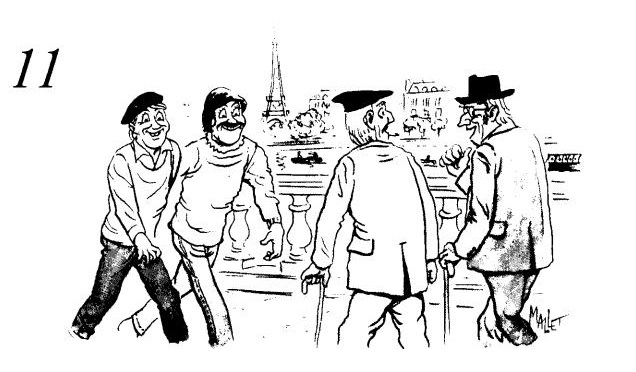
Two old gentlemen lived in a quiet street in Paris. They were
friends and neighbours, and they often went for walks together
in the streets when the weather was fine. Last Saturday they
went for a walk at the side of the river. The sun shone, the
weather was warm, there were a lot of flowers everywhere, and
there were boats on the water.
The two men walked happily for half'an hour, and then one
of them said to the other, "That's a very beautiful girl.
'Where can you see a beautiful girl?' said the other. I can't
see one anywhere. I can see two young men. They're walking
towards us.
'The girl's walking behind us,' said the first man quietly.
'But how can you see her then?' asked his friend.
The first man smiled and said, 'I can't see her, but I can sce
the young men's eyes.'
🔊
درس شماره: 11
دو پیرمرد در خیابانی آرام در پاریس زندگی میکردند
آنها با هم دوست و همسایه بودند
و اغلب با هم در خیابانها قدم میزدند
وقتی هوا خوب بود
شنبه گذشته آنها در کنار رودخانه قدم زدند.
خورشید میتابید،
هوا گرم بود،
همه جا پر از گل بود
و قایقهایی روی آب بود.
دو مرد نیم ساعت با خوشحالی راه رفتند
و سپس یکی از آنها به دیگری گفت:ر
آن دختر خیلی زیبایی است.
کجا یک دختر زیبا میبینی؟
دومی گفت
من که جایی نمیبینم
من دو مرد جوان میبینم.
آنها به سمت ما میآیند.
مرد اول به آرامی گفت
دختر پشت سر ما راه میرود.
اما چطور میتوانی او را ببینی؟
دوستش پرسید
مرد اول لبخندی زد و گفت:
من او را نمیبینم،
اما من می توانم ببینم چشمان مردان جوان را،
Passage 11
🔊
درس شماره: 11
Two old gentlemen lived in a quiet street in Paris.
🔊
دو پیرمرد در خیابانی آرام در پاریس زندگی میکردند
They were friends and neighbours,
🔊
آنها با هم دوست و همسایه بودند
and they often went for walks together in the streets
🔊
و اغلب با هم در خیابانها قدم میزدند
when the weather was fine.
🔊
.وقتی هوا خوب بود
Last Saturday they went for a walk at the side of the river.
🔊
شنبه گذشته آنها در کنار رودخانه قدم زدند.
The sun shone,
🔊
خورشید میتابید،
the weather was warm,
🔊
هوا گرم بود،
there were a lot of flowers everywhere,
🔊
همه جا پر از گل بود
and there were boats on the water.
🔊
و قایقهایی روی آب بود.
The two men walked happily for half an hour,
🔊
دو مرد نیم ساعت با خوشحالی راه رفتند
and then one of them said to the other,
🔊
و سپس یکی از آنها به دیگری گفت:ر
"That's a very beautiful girl.
🔊
"آن دختر خیلی زیبایی است."
'Where can you see a beautiful girl?'
🔊
"کجا یک دختر زیبا میبینی؟
said the other.
🔊
دومی گفت
I can't see one anywhere.
🔊
من که جایی نمیبینم
I can see two young men.
🔊
من دو مرد جوان میبینم.
They're walking towards us.
🔊
آنها به سمت ما میآیند."
'The girl's walking behind us,'
🔊
مرد اول به آرامی گفت
said the first man quietly.
🔊
"دختر پشت سر ما راه میرود."
'But how can you see her then?'
🔊
"اما چطور میتوانی او را ببینی؟"
asked his friend.
🔊
دوستش پرسید
The first man smiled and said,
🔊
مرد اول لبخندی زد و گفت:
'I can't see her,
🔊
"من او را نمیبینم،
but I can see the young men's eyes.'
🔊
"اما من می توانم ببینم چشمان مردان جوان را،
Passage 12
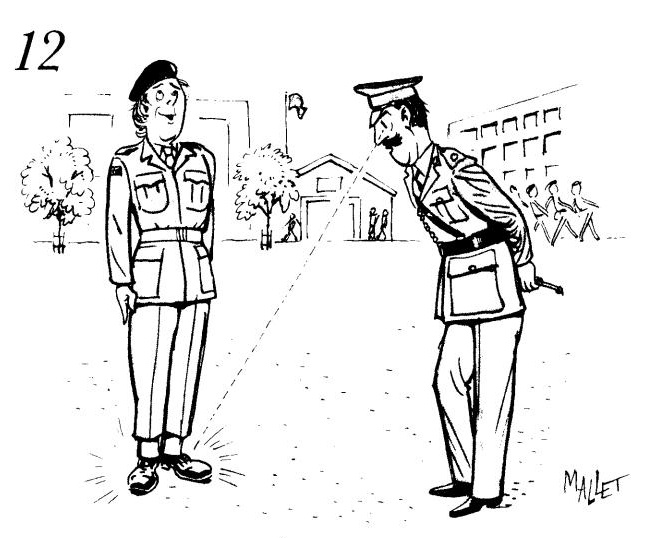
Fred was a young soldier in a big camp. During the week they
always worked very hard, but it was Saturday, and all the
young soldiers were free, so their oflicer said to them, 'You can
go into the town this afternoon, but first I'm going to inspect
you.
Fred came to the officer, and the officer said to him, 'Your
hair's very long. Go to the barber and then come back to me
again.'
Fred ran to the barber's shop, but it was closed because it
was Saturday. Fred was very sad for a few minutes, but then he
smiled and went back to the officer.
'Are my boots clean now, sir?' he asked.
The oflicer did not look at Fred's hair. He looked at his boots
and said, 'Yes, they're much better now. You can go out. And
next week, first clean your boots, and then come to me!
🔊
درس شماره: 12
فِرِد سرباز جوانی در یک اردوگاه بزرگ بود.
در طول هفته، آنها همیشه خیلی سخت کار میکردند،
اما آن روز شنبه بود
و همهی سربازان جوان آزاد بودند.
بنابراین، افسر آنها بهشان گفت:
میتوانید امروز بعدازظهر به شهر بروید،
اما اول من میخواهم شما را بازرسی کنم.
فِرِد جلوی افسر آمد
و افسر به او گفت:
موهایت خیلی بلند است.
برو آرایشگاه و بعد دوباره پیش من برگرد.
فِرِد به مغازهی آرایشگر دوید،
اما بسته بود
چون شنبه بود.
فِرِد برای چند دقیقه ناراحت شد،
اما بعد لبخند زد
و پیش افسر برگشت.
آقا، حالا کفشهایم تمیز هستند؟
او پرسید:
افسر به موی فِرِد نگاه نکرد.
او به کفشهایش نگاه کرد:
و گفت بله، حالا خیلی بهترند.
میتوانی بروی بیرون.
و هفتهی آینده،
اول کفشهایت را تمیز کن،
بعد پیش من بیا!
Passage 12
🔊
درس شماره: 12
Fred was a young soldier in a big camp.
🔊
فِرِد سرباز جوانی در یک اردوگاه بزرگ بود.
During the week they always worked very hard,
🔊
در طول هفته، آنها همیشه خیلی سخت کار میکردند،
but it was Saturday,
🔊
اما آن روز شنبه بود
and all the young soldiers were free,
🔊
و همهی سربازان جوان آزاد بودند.
so their officer said to them,
🔊
بنابراین، افسر آنها بهشان گفت:
'You can go into the town this afternoon,
🔊
«میتوانید امروز بعدازظهر به شهر بروید،
but first I'm going to inspect you.
🔊
اما اول من میخواهم شما را بازرسی کنم.»
Fred came to the officer,
🔊
فِرِد جلوی افسر آمد
and the officer said to him,
🔊
و افسر به او گفت:
'Your hair's very long.
🔊
«موهایت خیلی بلند است.
Go to the barber and then come back to me again.'
🔊
برو آرایشگاه و بعد دوباره پیش من برگرد.»
Fred ran to the barber's shop,
🔊
فِرِد به مغازهی آرایشگر دوید،
but it was closed
🔊
اما بسته بود
because it was Saturday.
🔊
چون شنبه بود.
Fred was very sad for a few minutes,
🔊
فِرِد برای چند دقیقه ناراحت شد،
but then he smiled
🔊
اما بعد لبخند زد
and went back to the officer.
🔊
و پیش افسر برگشت.
'Are my boots clean now, sir?'
🔊
«آقا، حالا کفشهایم تمیز هستند؟»
he asked.
🔊
او پرسید:
The officer did not look at Fred's hair.
🔊
افسر به موی فِرِد نگاه نکرد.
He looked at his boots
🔊
او به کفشهایش نگاه کرد:
and said, 'Yes, they're much better now.
🔊
و گفت «بله، حالا خیلی بهترند.
You can go out.
🔊
میتوانی بروی بیرون.
And next week,
🔊
و هفتهی آینده،
first clean your boots,
🔊
اول کفشهایت را تمیز کن،
and then come to me!
🔊
بعد پیش من بیا!»
Passage 13
Mrs Harris lives in a small village. Her husband is dead, but
she has one son. He is twenty-one, and his name is Geoff. Не
worked in the shop in the village and lived with his mother, but
then he got work in a town and went and lived there. Its name
was Greensea. It was quite a long way from his mother's
village, and she was not happy about this, but Geoff said,
"There isn't any good work for me in the country, Mother, and
I can get a lot of money in Greensea and send you some every
week.'
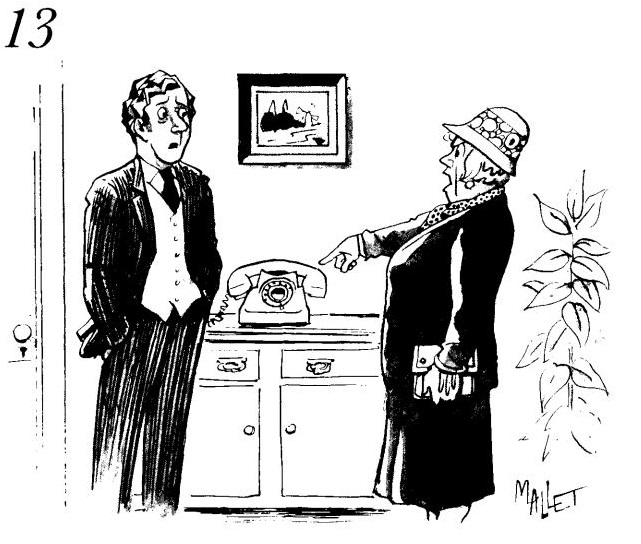
Mrs Harris was very angry last Sunday. She got in a train
and went to her son's house in Greensea. Then she said to him,
'Geoff, why do you never phone me?"
Geoff laughed. 'But, Mother,' he said, 'you haven't got a
phone.'
'No,' she answered, 'I haven't, but you've got one!
🔊
درس شماره: 13
خانم هریس در یک روستا زندگی میکند.
شوهرش فوت کرده است،
اما یک پسر دارد.
او بیستویک ساله است
و نامش جف است.
او در مغازهٔ روستا کار میکرد
و با مادرش زندگی میکرد،
اما بعد در یک شهر کار پیدا کرد و رفت آنجا زندگی کرد.
نام آن شهر گرینسی بود.
این شهر تا روستای مادرش فاصلهٔ زیادی داشت
و او از این بابت خوشحال نبود،
اما جف گفت:
هیچ کار خوبی برای من در روستا نیست، مادر،
و من میتوانم در گِرینسی پول زیادی به دست بیاورم
و هر هفته مقداری برایت بفرستم.
خانم هریس یکشنبهٔ گذشته خیلی عصبانی بود.
سوار قطار شد و به خانهٔ پسرش در گِرینسی رفت.
سپس به او گفت:
جف، چرا هیچوقت به من زنگ نمیزنی؟
جف خندید و گفت:
اما مادر، تو که تلفن نداری.
او جواب داد: نه، ندارم، اما تو که داری!
Passage 13
🔊
درس شماره: 13
Mrs Harris lives in a small village.
🔊
خانم هریس در یک روستا زندگی میکند.
Her husband is dead,
🔊
شوهرش فوت کرده است،
but she has one son.
🔊
اما یک پسر دارد.
He is twenty-one,
🔊
او بیستویک ساله است
and his name is Geoff.
🔊
و نامش جف است.
Не worked in the shop in the village
🔊
او در مغازهٔ روستا کار میکرد
and lived with his mother,
🔊
و با مادرش زندگی میکرد،
but then he got work in a town and went and lived there.
🔊
اما بعد در یک شهر کار پیدا کرد و رفت آنجا زندگی کرد.
Its name was Greensea.
🔊
نام آن شهر «گرینسی» بود.
It was quite a long way from his mother's village,
🔊
این شهر تا روستای مادرش فاصلهٔ زیادی داشت
and she was not happy about this,
🔊
و او از این بابت خوشحال نبود،
but Geoff said,
🔊
اما جف گفت:
"There isn't any good work for me in the country, Mother,
🔊
«هیچ کار خوبی برای من در روستا نیست، مادر،
and I can get a lot of money in Greensea
🔊
و من میتوانم در گِرینسی پول زیادی به دست بیاورم
and send you some every week.'
🔊
و هر هفته مقداری برایت بفرستم.»
Mrs Harris was very angry last Sunday.
🔊
خانم هریس یکشنبهٔ گذشته خیلی عصبانی بود.
She got in a train and went to her son's house in Greensea.
🔊
سوار قطار شد و به خانهٔ پسرش در گِرینسی رفت.
Then she said to him,
🔊
سپس به او گفت:
'Geoff, why do you never phone me?"
🔊
«جف، چرا هیچوقت به من زنگ نمیزنی؟»
Geoff laughed.
🔊
جف خندید و گفت:
'But, Mother,' he said, 'you haven't got a phone.'
🔊
«اما مادر، تو که تلفن نداری.»
'No,' she answered, 'I haven't, but you've got one!
🔊
او جواب داد: «نه، ندارم، اما تو که داری!»
Passage 14
Mr Robinson never went to a dentist, because he was afraid,
but then his teeth began hurting a lot, and he went to a dentist.
The dentist did a lot of work in his mouth for a long time. On
the last day Mr Robinson said to him, 'How much is all this
work going to cost?" The dentist said, Twenty-five pounds,
but he did not ask him for the money.
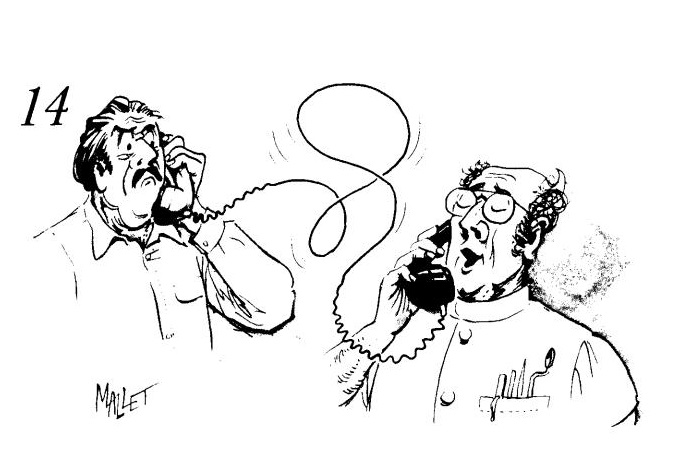
After a month Mr Robinson phoned the dentist and said,
'You haven't asked me for any money for your work last
month.
'Oh, the dentist answered, 'I never ask a gentleman for
money.
"Then how do you live?' Mr Robinson asked.
'Most gentlemen pay me quickly, the dentist said, 'but some
don't. I wait for my money for two months, and then I say,
"That man isn't a gentleman," and then I ask him for my
money.
🔊
درس شماره: 14
آقای رابینسون هیچوقت پیش دندانپزشک نمیرفت،
چون میترسید،
اما بعد دندانهایش خیلی شروع به درد کردند،
و او نزد دندانپزشک رفت
دندانپزشک مدت زیادی در دهانش کارهای زیادی انجام داد.
در آخرین روز آقای رابینسون به او گفت:
تمام این کارها چقدر هزینه خواهد داشت؟
دندانپزشک گفت:
بیستوپنج پوند،
اما پول را از او نخواست.
یک ماه بعد آقای رابینسون به دندانپزشک تلفن کرد
و گفت:
شما هنوز از من پول کار ماه گذشته را نخواستهاید.
اوه، دندانپزشک جواب داد،
من هیچوقت از یک جنتلمن (آقا، انسان باوقار) پول نمیخواهم.
پس چطور زندگی میکنید؟
آقای رابینسون پرسید
بیشتر جنتلمنها خیلی سریع پول من را میدهند،
دندانپزشک گفت: اما بعضیها نمیدهند.
من دو ماه برای پولم صبر میکنم،
و بعد میگویم:
آن مرد یک جنتلمن نیست،
و بعد از او پولم را میخواهم.
Passage 14
🔊
درس شماره: 14
Mr Robinson never went to a dentist,
🔊
آقای رابینسون هیچوقت پیش دندانپزشک نمیرفت،
because he was afraid,
🔊
چون میترسید،
but then his teeth began hurting a lot,
🔊
اما بعد دندانهایش خیلی شروع به درد کردند،
and he went to a dentist.
🔊
و او نزد دندانپزشک رفت
The dentist did a lot of work in his mouth for a long time.
🔊
دندانپزشک مدت زیادی در دهانش کارهای زیادی انجام داد.
On the last day Mr Robinson said to him,
🔊
در آخرین روز آقای رابینسون به او گفت:
'How much is all this work going to cost?"
🔊
«تمام این کارها چقدر هزینه خواهد داشت؟»
The dentist said,
🔊
دندانپزشک گفت:
Twenty-five pounds,
🔊
«بیستوپنج پوند»،
but he did not ask him for the money.
🔊
اما پول را از او نخواست.
After a month Mr Robinson phoned the dentist
🔊
یک ماه بعد آقای رابینسون به دندانپزشک تلفن کرد
and said,
🔊
و گفت:
'You haven't asked me for any money for your work last month.
🔊
«شما هنوز از من پول کار ماه گذشته را نخواستهاید.»
'Oh, the dentist answered,
🔊
«اوه»، دندانپزشک جواب داد،
'I never ask a gentleman for money.
🔊
«من هیچوقت از یک جنتلمن (آقا، انسان باوقار) پول نمیخواهم.»
"Then how do you live?'
🔊
«پس چطور زندگی میکنید؟»
Mr Robinson asked.
🔊
آقای رابینسون پرسید
'Most gentlemen pay me quickly,
🔊
«بیشتر جنتلمنها خیلی سریع پول من را میدهند،
the dentist said, 'but some don't.
🔊
دندانپزشک گفت: اما بعضیها نمیدهند.
I wait for my money for two months,
🔊
من دو ماه برای پولم صبر میکنم،
and then I say,
🔊
و بعد میگویم:
That man isn't a gentleman,
🔊
"آن مرد یک جنتلمن نیست"،
and then I ask him for my money.
🔊
و بعد از او پولم را میخواهم.»
Passage 15
Bill likes football very much, and he often goes to matches in
our town on Saturdays. He does not go to the best seats,
because they are very expensive and he does not see his friends
there.
There was a big football match in our town last Saturday.
First it was very cold and cloudy, but then the sun shone, and it
was very hot.
There were a lot of people on benches round Bill at the
match. Bill was on one bench, and there was a fat man on
bench behind him. First the fat man was cold, but then he was
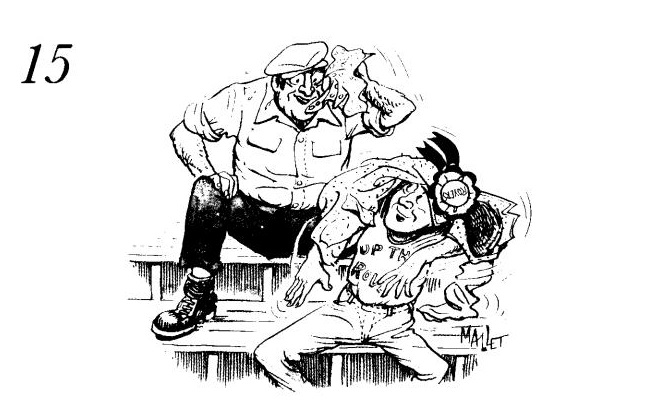
very hot. He took his coat off and put it in front of him, but it fell
on Bill's head. Bill was not angry. He took the coat off his hcad,
looked at it and then smiled and said, "Thank you-but where
are the trousers?'
🔊
داستان شماره 15
بیل فوتبال را خیلی دوست دارد
و او اغلب روزهای شنبه برای دیدن بازیها در شهر ما میرود.
او در بهترین صندلیها نمینشیند،
چون آنها خیلی گران هستند
و دوستانش را هم آنجا نمیبیند.
شنبهی گذشته در شهر ما یک مسابقهی بزرگ فوتبال برگزار شد.
در ابتدا هوا خیلی سرد و ابری بود،
اما بعد خورشید تابید
و هوا خیلی گرم شد.
در بازی فوتبال، افراد زیادی روی نیمکتهایی اطراف بیل نشسته بودند.
بیل روی یک نیمکت نشسته بود
و مرد چاقی روی نیمکت پشت سر او نشسته بود.
در ابتدا آن مرد چاق سردش بود،
اما بعد خیلی گرمش شد.
او کت خود را درآورد
و آن را جلوی خود گذاشت،
اما کت افتاد و روی سر بیل افتاد.
بیل عصبانی نشد.
او کت را از روی سرش برداشت،
به آن نگاه کرد
و سپس لبخند زد و گفت:
متشکرم — اما شلوار کجاست؟
Passage 15
🔊
داستان شماره 15
Bill likes football very much,
🔊
بیل فوتبال را خیلی دوست دارد
and he often goes to matches in our town on Saturdays.
🔊
و او اغلب روزهای شنبه برای دیدن بازیها در شهر ما میرود.
He does not go to the best seats,
🔊
او در بهترین صندلیها نمینشیند،
because they are very expensive
🔊
چون آنها خیلی گران هستند
and he does not see his friends there.
🔊
و دوستانش را هم آنجا نمیبیند.
There was a big football match in our town last Saturday.
🔊
شنبهی گذشته در شهر ما یک مسابقهی بزرگ فوتبال برگزار شد.
First it was very cold and cloudy,
🔊
در ابتدا هوا خیلی سرد و ابری بود،
but then the sun shone,
🔊
اما بعد خورشید تابید
and it was very hot.
🔊
و هوا خیلی گرم شد.
There were a lot of people on benches round Bill at the match.
🔊
در بازی فوتبال، افراد زیادی روی نیمکتهایی اطراف بیل نشسته بودند.
Bill was on one bench,
🔊
بیل روی یک نیمکت نشسته بود
and there was a fat man on bench behind him.
🔊
و مرد چاقی روی نیمکت پشت سر او نشسته بود.
First the fat man was cold,
🔊
در ابتدا آن مرد چاق سردش بود،
but then he was very hot.
🔊
اما بعد خیلی گرمش شد.
He took his coat off
🔊
او کت خود را درآورد
and put it in front of him,
🔊
و آن را جلوی خود گذاشت،
but it fell on Bill's head.
🔊
اما کت افتاد و روی سر بیل افتاد.
Bill was not angry.
🔊
بیل عصبانی نشد.
He took the coat off his head,
🔊
او کت را از روی سرش برداشت،
looked at it
🔊
به آن نگاه کرد
and then smiled and said,
🔊
و سپس لبخند زد و گفت:
"Thank you-but where are the trousers?'
🔊
«متشکرم — اما شلوار کجاست؟»
Passage 16
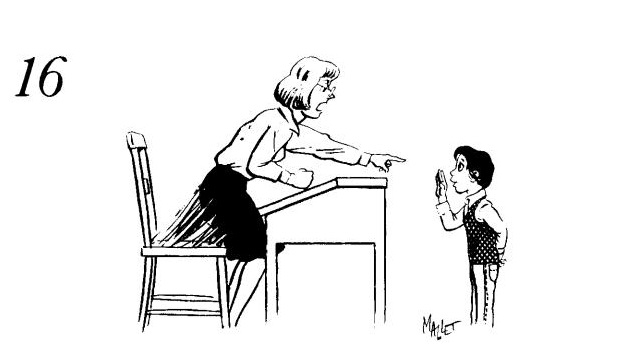
Peter was eight and a half years old, and he went to a school
near his house. He always went nt there and came home on foot,
and he usually got back on time, but last Friday he came home
from school late. His mother was in the kitchen, and she saw
him and said to him, 'Why are you late today, Peter?"
'My teacher was angry and sent me to the headmaster after
our lessons,' Peter answered.
"To the headmaster?" his mother said. 'Why did she send you
to him?
'Because she asked a question in the class,' Peter said, 'and
none of the children gave her the answer except me.
His mother was angry. 'But why did the teacher send you to
the headmaster then? Why didn't she send all the other stupid
children?' she asked Peter.
'Because her question was, "Who put glue on my chair?"
Peter said.
🔊
داستان شماره 16
پیتر هشت سال و نیم داشت
و به مدرسهای نزدیک خانهشان میرفت.
او همیشه پیاده به آنجا میرفت
و پیاده به خانه برمیگشت،
و معمولاً سر وقت میرسید،
اما جمعهٔ گذشته دیر از مدرسه به خانه آمد.
مادرش در آشپزخانه بود،
و او را دید
و به او گفت:
پیتر، امروز چرا دیر کردی؟
پیتر جواب داد: معلمم عصبانی بود
و بعد از درسها ما را پیش مدیر فرستاد.
پیتر گفت:
مادرش گفت: پیش مدیر؟
چرا او تو را پیش او فرستاد؟
چون او یک سؤال در کلاس پرسید،
و هیچکدام از بچهها جوابش را ندادند جز من.
مادرش عصبانی شد.
گفت: پس چرا معلم تو را پیش مدیر فرستاد؟
چرا بقیهٔ بچههای احمق را نفرستاد؟
پیتر گفت: چون سؤالش این بود: چه کسی چسب روی صندلی من گذاشته؟
Passage 16
🔊
داستان شماره 16
Peter was eight and a half years old,
🔊
پیتر هشت سال و نیم داشت
and he went to a school near his house.
🔊
و به مدرسهای نزدیک خانهشان میرفت.
He always went there
🔊
او همیشه پیاده به آنجا میرفت
and came home on foot,
🔊
و پیاده به خانه برمیگشت،
and he usually got back on time,
🔊
و معمولاً سر وقت میرسید،
but last Friday he came home from school late.
🔊
اما جمعهٔ گذشته دیر از مدرسه به خانه آمد.
His mother was in the kitchen,
🔊
مادرش در آشپزخانه بود،
and she saw him
🔊
و او را دید
and said to him,
🔊
و به او گفت:
'Why are you late today, Peter?"
🔊
«پیتر، امروز چرا دیر کردی؟»
'My teacher was angry
🔊
پیتر جواب داد: «معلمم عصبانی بود
and sent me to the headmaster after our lessons,'
🔊
و بعد از درسها ما را پیش مدیر فرستاد.»
Peter answered.
🔊
پیتر گفت:
"To the headmaster?" his mother said.
🔊
مادرش گفت: «پیش مدیر؟
'Why did she send you to him?
🔊
چرا او تو را پیش او فرستاد؟»
'Because she asked a question in the class,' Peter said, '
🔊
«چون او یک سؤال در کلاس پرسید،
and none of the children gave her the answer except me.
🔊
و هیچکدام از بچهها جوابش را ندادند جز من.»
His mother was angry.
🔊
مادرش عصبانی شد.
'But why did the teacher send you to the headmaster then?
🔊
گفت: «پس چرا معلم تو را پیش مدیر فرستاد؟
Why didn't she send all the other stupid children?' she asked Peter.
🔊
چرا بقیهٔ بچههای احمق را نفرستاد؟»
'Because her question was, "Who put glue on my chair?" ' Peter said.
🔊
پیتر گفت: «چون سؤالش این بود: ""چه کسی چسب روی صندلی من گذاشته؟""»
Passage 17
George was sixty ycars old, and he was ill. He was always tired,
and his face was always very red. He did not like doctors, but
last month his wife said to him, 'Don't be stupid, George. Go
and see Doctor Brown.
George said, 'No, but last week he was worse, and he went
to the doctor.
Dr Brown examined him and then said to him, 'You drink
too much. Stop drinking whisky, and drink milk.'
George liked whisky, and he did not like milk. I'm not a
baby! he always said to his wife.
Now he looked at Dr Brown and said, 'But drinking milk is
dangerous, doctor.
The doctor laughed and said, 'Dangerous? How can drink-
ing milk be dangerous?"
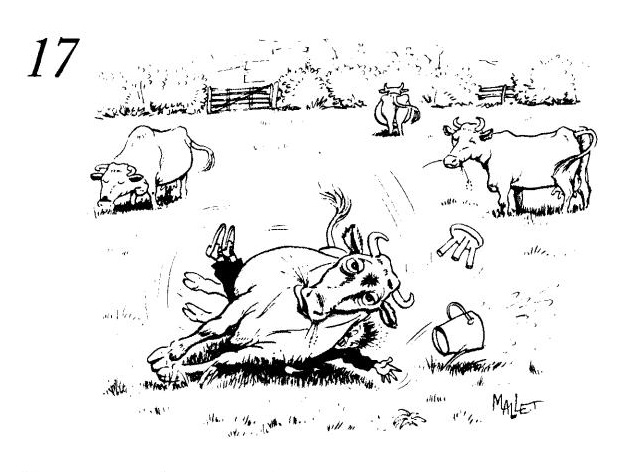
'Well, doctor, George said, 'it killed one of my best friends
last year.
The doctor laughed again and said, 'How did it do that?
"The cow fell on him, George said.
🔊
داستان شماره 17
جُرج شصت ساله بود،
و بیمار بود.
او همیشه خسته بود،
و صورتش همیشه خیلی قرمز بود.
او از دکترها خوشش نمیآمد،
اما ماه گذشته همسرش به او گفت:
احمق نباش، جرج.
برو دکتر براون را ببین.
جرج گفت: نه، ولی هفتهی پیش حالش بدتر شد،
و به دکتر رفت.
دکتر براون او را معاینه کرد
و بعد به او گفت: تو زیاد مشروب میخوری.
نوشیدن ویسکی را متوقف کن و شیر بنوش.
جرج ویسکی را دوست داشت و از شیر خوشش نمیآمد.
او همیشه به همسرش میگفت: من بچه نیستم!
حالا به دکتر براون نگاه کرد و گفت:
اما نوشیدن شیر خطرناک است، دکتر.
دکتر خندید و گفت:
خطرناک؟ چطور ممکن است نوشیدن شیر خطرناک باشد؟
جرج گفت خب، دکتر، :
پارسال شیر یکی از بهترین دوستانم را کُشت
دکتر دوباره خندید و گفت:
چطور ممکن است؟!
جرج گفت: گاو رویش افتاد!
Passage 17
🔊
داستان شماره 17
George was sixty ycars old,
🔊
جُرج شصت ساله بود،
and he was ill.
🔊
و بیمار بود.
He was always tired,
🔊
او همیشه خسته بود،
and his face was always very red.
🔊
و صورتش همیشه خیلی قرمز بود.
He did not like doctors,
🔊
او از دکترها خوشش نمیآمد،
but last month his wife said to him,
🔊
اما ماه گذشته همسرش به او گفت:
'Don't be stupid, George.
🔊
«احمق نباش، جرج.
Go and see Doctor Brown.
🔊
برو دکتر براون را ببین.»
George said, 'No, but last week he was worse,
🔊
جرج گفت: «نه»، ولی هفتهی پیش حالش بدتر شد،
and he went to the doctor.
🔊
و به دکتر رفت.
Dr Brown examined him
🔊
دکتر براون او را معاینه کرد
and then said to him, 'You drink too much.
🔊
و بعد به او گفت: «تو زیاد مشروب میخوری.
Stop drinking whisky, and drink milk.'
🔊
نوشیدن ویسکی را متوقف کن و شیر بنوش.»
George liked whisky, and he did not like milk.
🔊
جرج ویسکی را دوست داشت و از شیر خوشش نمیآمد.
I'm not a baby! he always said to his wife.
🔊
او همیشه به همسرش میگفت: «من بچه نیستم!»
Now he looked at Dr Brown and said,
🔊
حالا به دکتر براون نگاه کرد و گفت:
'But drinking milk is dangerous, doctor.
🔊
«اما نوشیدن شیر خطرناک است، دکتر.»
The doctor laughed and said,
🔊
دکتر خندید و گفت:
'Dangerous? How can drink-ing milk be dangerous?"
🔊
«خطرناک؟ چطور ممکن است نوشیدن شیر خطرناک باشد؟»
'Well, doctor, George said,
🔊
جرج گفت «خب، دکتر، :
'it killed one of my best friends last year.
🔊
.»پارسال شیر یکی از بهترین دوستانم را کُشت
The doctor laughed again and said, '
🔊
دکتر دوباره خندید و گفت:
How did it do that?
🔊
«چطور ممکن است؟!»
"The cow fell on him, George said.
🔊
جرج گفت: «گاو رویش افتاد!»
Passage 18
Mr White has a small shop in the middle of our town, and he
sells pictures in it. They are not expensive ones, but some of
them are quite pretty. Last Saturday a woman came into the
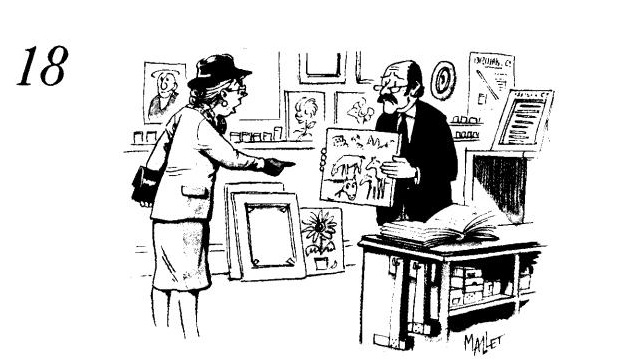
shop and looked at a lot of pictures. Then she took Mr White to
one of them and said, 'How much do you want for this one?" It
was a picture of horses in a field.
Mr White looked at it for a few seconds and then went and
brought his book. He opened it, looked at the first page and
then said, 'I want twenty pounds for that one.
The woman shut her eyes for a few seconds and then said, 'I
can give you two pounds for it.'
'Two pounds?' Mr White said angrily. "Two pounds? But
the canvas cost more than two pounds.
'Oh, but it was clean then,' the woman said.
🔊
داستان شماره 18
آقای وایت یک مغازه کوچک در مرکز شهر ما دارد
و در آن تابلو (نقاشی) میفروشد.
تابلوها گران نیستند،
اما بعضی از آنها واقعاً قشنگاند.
شنبهی گذشته یک خانم وارد مغازه شد
و تعداد زیادی از تابلوها را نگاه کرد
سپس او آقای وایت را به یکی از تابلوها برد
و گفت: برای این یکی چقدر میخواهید؟
این یک تصویر از چند اسب در یک مزرعه بود.
آقای وایت چند ثانیه به آن نگاه کرد
و بعد رفت و دفترش را آورد.
آن را باز کرد، صفحهٔ اول را نگاه کرد
و سپس گفت: برای این یکی بیست پوند میخواهم.
خانم چند ثانیه چشمانش را بست
و سپس گفت: من میتوانم دو پوند بابتش بدهم.
دو پوند؟ آقای وایت با عصبانیت گفت.
دو پوند؟ اما همین بومش بیشتر از دو پوند قیمتش بوده!
خانم گفت: اوه، اما آن موقع تمیز بود!
Passage 18
🔊
داستان شماره 18
Mr White has a small shop in the middle of our town,
🔊
آقای وایت یک مغازه کوچک در مرکز شهر ما دارد
and he sells pictures in it.
🔊
و در آن تابلو (نقاشی) میفروشد.
They are not expensive ones,
🔊
تابلوها گران نیستند،
but some of them are quite pretty.
🔊
اما بعضی از آنها واقعاً قشنگاند.
Last Saturday a woman came into the shop
🔊
شنبهی گذشته یک خانم وارد مغازه شد
and looked at a lot of pictures.
🔊
و تعداد زیادی از تابلوها را نگاه کرد
Then she took Mr White to one of them
🔊
سپس او آقای وایت را به یکی از تابلوها برد
and said, 'How much do you want for this one?"
🔊
و گفت: «برای این یکی چقدر میخواهید؟»
It was a picture of horses in a field.
🔊
این یک تصویر از چند اسب در یک مزرعه بود.
Mr White looked at it for a few seconds
🔊
آقای وایت چند ثانیه به آن نگاه کرد
and then went and brought his book.
🔊
و بعد رفت و دفترش را آورد.
He opened it, looked at the first page
🔊
آن را باز کرد، صفحهٔ اول را نگاه کرد
and then said, 'I want twenty pounds for that one.
🔊
و سپس گفت: «برای این یکی بیست پوند میخواهم.»
The woman shut her eyes for a few seconds
🔊
خانم چند ثانیه چشمانش را بست
and then said, 'I can give you two pounds for it.'
🔊
و سپس گفت: «من میتوانم دو پوند بابتش بدهم.»
'Two pounds?' Mr White said angrily.
🔊
«دو پوند؟» آقای وایت با عصبانیت گفت.
"Two pounds? But the canvas cost more than two pounds.v
🔊
«دو پوند؟ اما همین بومش بیشتر از دو پوند قیمتش بوده!»
'Oh, but it was clean then,' the woman said.
🔊
خانم گفت: «اوه، اما آن موقع تمیز بود!»
Passage 19
Miss Green had a heavy cupboard in her bedroom. Iast
Sunday she said, 'I don't like this cupboard in my bedroom.
The bedroom's very small, and the cupboard's very big. I'm
going to put it in a bigger ro room.' But the cupboard was very
heavy, and Miss Green was not very strong. She went to two of
her neighbours and said, 'Please carry the cupboard for me.
Then she went and made some tea for them.
The two men carried the heavy cupboard out of Miss
Green's bedroom and came to the stairs. One of them was in
front of the cupboard, and the other was bchind it. They
pushed and pulled for a long time, and then they put the
cupboard down.
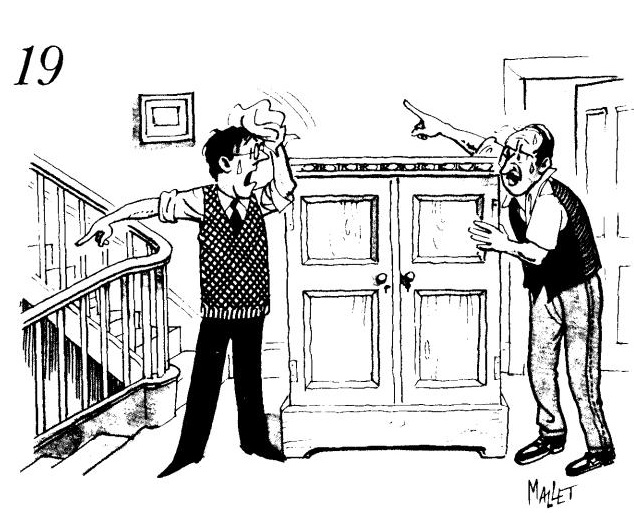
'Well,' one of the men said to the other, 'we're never going to
get this cupboard upstairs.'
'Upstairs?" the other man said. 'Aren't we taking it down-
stairs?"
🔊
داستان شماره 19
خانم گرین یک کمد سنگین در اتاق خوابش داشت.
یکشنبهی گذشته گفت:
من این کمد را در اتاق خوابم دوست ندارم.
اتاق خواب خیلی کوچک است
و کمد خیلی بزرگ است.
میخواهم آن را در یک اتاق بزرگتر بگذارم.
اما کمد خیلی سنگین بود
و خانم گرین خیلی قوی نبود.
او پیش دو نفر از همسایههایش رفت
و گفت: لطفاً این کمد را برای من حمل کنید.
سپس رفت و برای آنها کمی چای درست کرد.
آن دو مرد کمد سنگین را از اتاق خواب خانم گرین بیرون آوردند
و به پلهها رسیدند.
یکی از آنها جلوی کمد بود
و دیگری پشت آن.
مدت زیادی آن را هل دادند و کشیدند،
و بعد کمد را زمین گذاشتند.
یکی از مردها به دیگری گفت:
خب، ما هیچوقت نمیتوانیم این کمد را به طبقه بالا ببریم!
مرد دیگر گفت: طبقه بالا؟
مگر قرار نیست آن را به طبقه پایین ببریم؟
Passage 19
🔊
داستان شماره 19
Miss Green had a heavy cupboard in her bedroom.
🔊
خانم گرین یک کمد سنگین در اتاق خوابش داشت.
Last Sunday she said,
🔊
یکشنبهی گذشته گفت:
'I don't like this cupboard in my bedroom.
🔊
«من این کمد را در اتاق خوابم دوست ندارم.
The bedroom's very small
🔊
اتاق خواب خیلی کوچک است
and the cupboard's very big.
🔊
و کمد خیلی بزرگ است.
I'm going to put it in a bigger room.'
🔊
میخواهم آن را در یک اتاق بزرگتر بگذارم.»
But the cupboard was very heavy,
🔊
اما کمد خیلی سنگین بود
and Miss Green was not very strong.
🔊
و خانم گرین خیلی قوی نبود.
She went to two of her neighbours
🔊
او پیش دو نفر از همسایههایش رفت
and said, 'Please carry the cupboard for me.
🔊
و گفت: «لطفاً این کمد را برای من حمل کنید.»
Then she went and made some tea for them.
🔊
سپس رفت و برای آنها کمی چای درست کرد.
The two men carried the heavy cupboard out of Miss Green's bedroom
🔊
آن دو مرد کمد سنگین را از اتاق خواب خانم گرین بیرون آوردند
and came to the stairs.
🔊
و به پلهها رسیدند.
One of them was in front of the cupboard,
🔊
یکی از آنها جلوی کمد بود
and the other was behind it.
🔊
و دیگری پشت آن.
They pushed and pulled for a long time,
🔊
مدت زیادی آن را هل دادند و کشیدند،
and then they put the cupboard down.
🔊
و بعد کمد را زمین گذاشتند.
'Well,' one of the men said to the other,
🔊
یکی از مردها به دیگری گفت:
'we're never going to get this cupboard upstairs.'
🔊
«خب، ما هیچوقت نمیتوانیم این کمد را به طبقه بالا ببریم!»
'Upstairs?" the other man said.
🔊
مرد دیگر گفت: «طبقه بالا؟
'Aren't we taking it downstairs?"
🔊
مگر قرار نیست آن را به طبقه پایین ببریم؟»
Passage 20
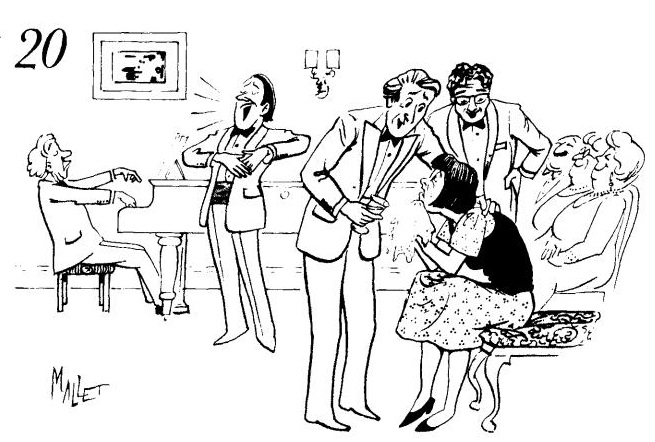
Mr Edwards likes singing very much, but he is very bad at it.
He went to dinner at a friend's house last week, and there were
some other guests there too.
They had a good dinner, and then the hostess went to Mr
Edwards and said 'You can sing, Peter. Please sing us some-
thing.
Mr Edwards was very happy, and he began to sing an old
song about the mountains of Spain. The guests listened to it for
a few minutes and then one of the guests began to cry. She was
a small woman and had dark hair and very dark eyes.
One of the other guests went to her, put his hand on her back
and said, 'Please don't cry. Are you Spanish?"
Another young man asked, 'Do you love Spain?
'No,' she answered, 'I'm not Spanish, and I've never been to
Spain. I'm a singer, and I love music!
🔊
داستان شماره 20
آقای ادواردز آواز خواندن را خیلی دوست دارد،
اما در آن بسیار بد است.
او هفتهی گذشته برای شام به خانهی یکی از دوستانش رفت
و چند مهمان دیگر هم آنجا بودند.
آنها شام خوبی خوردند
و بعد خانمِ میزبان به آقای ادواردز نزدیک شد
و گفت: پیتر، تو میتوانی آواز بخوانی.
لطفاً برای ما چیزی بخوان.
آقای ادواردز خیلی خوشحال شد
و شروع کرد به خواندن یک آهنگ قدیمی دربارهی کوههای اسپانیا.
مهمانها چند دقیقه به او گوش دادند
و سپس یکی از مهمانها شروع به گریه کرد.
او زنی بود
و موی تیره و چشمان بسیار سیاه داشت.
یکی دیگر از مهمانها به سمت او رفت،
دستش را روی پشتش گذاشت
و گفت: لطفاً گریه نکن. آیا اهل اسپانیا هستی؟
یک مرد جوان دیگر پرسید: آیا اسپانیا را دوست داری؟
او جواب داد: نه، من اهل اسپانیا نیستم
و هرگز به اسپانیا نرفتهام.
من یک خواننده هستم و موسیقی را دوست دارم!
Passage 20
🔊
داستان شماره 20
Mr Edwards likes singing very much,
🔊
آقای ادواردز آواز خواندن را خیلی دوست دارد،
but he is very bad at it.
🔊
اما در آن بسیار بد است.
He went to dinner at a friend's house last week,
🔊
او هفتهی گذشته برای شام به خانهی یکی از دوستانش رفت
and there were some other guests there too.
🔊
و چند مهمان دیگر هم آنجا بودند.
They had a good dinner,
🔊
آنها شام خوبی خوردند
and then the hostess went to Mr Edwards
🔊
و بعد خانمِ میزبان به آقای ادواردز نزدیک شد
and said 'You can sing, Peter.
🔊
و گفت: «پیتر، تو میتوانی آواز بخوانی.
Please sing us some-thing.
🔊
لطفاً برای ما چیزی بخوان.»
Mr Edwards was very happy,
🔊
آقای ادواردز خیلی خوشحال شد
and he began to sing an old song about the mountains of Spain.
🔊
و شروع کرد به خواندن یک آهنگ قدیمی دربارهی کوههای اسپانیا.
The guests listened to it for a few minutes
🔊
مهمانها چند دقیقه به او گوش دادند
and then one of the guests began to cry.
🔊
و سپس یکی از مهمانها شروع به گریه کرد.
She was a small woman
🔊
او زنی بود
and had dark hair and very dark eyes.
🔊
و موی تیره و چشمان بسیار سیاه داشت.
One of the other guests went to her,
🔊
یکی دیگر از مهمانها به سمت او رفت،
put his hand on her back
🔊
دستش را روی پشتش گذاشت
and said, 'Please don't cry. Are you Spanish?"
🔊
و گفت: «لطفاً گریه نکن. آیا اهل اسپانیا هستی؟»
Another young man asked, 'Do you love Spain?
🔊
یک مرد جوان دیگر پرسید: «آیا اسپانیا را دوست داری؟»
'No,' she answered, 'I'm not Spanish,
🔊
او جواب داد: «نه، من اهل اسپانیا نیستم
and I've never been to Spain.
🔊
و هرگز به اسپانیا نرفتهام.
I'm a singer, and I love music!
🔊
من یک خواننده هستم و موسیقی را دوست دارم!»
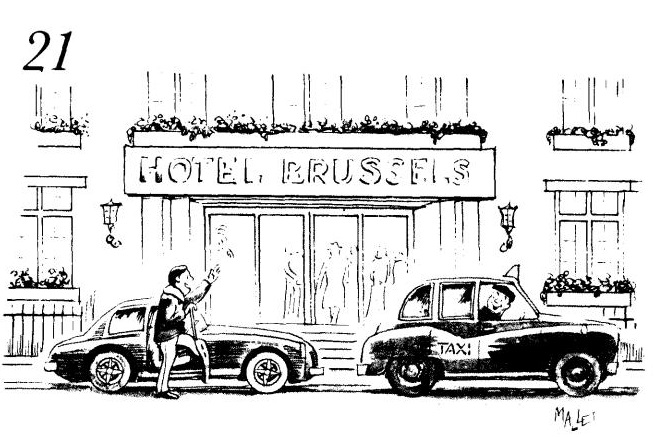
Passage 21
Hans said to his friend Kurt, T'm going to take my car and
drive to London.
Kurt said, 'Driving to London is very difficult. You aren't
going to find your hotel."
But Hans was not afraid. He drove to Calais, put his car on
the ship, took it off at Dover, and drove to London.
He stopped near the city and looked at his map. Then he
drove into London, but he did not find his hotel. He drove round
and round for an hour, and then he stopped and got out of his
car. A taxi came, and Hans stopped it. Take me to the Brussels
Hotel,' he said. But he did not get into the taxi: he got back into
his car. The taxi man laughed, but then he drove to the
Brussels Hotel, and Hans followed him in his car. They
reached the hotel in two minutes.
🔊
داستان شماره 21
هانس به دوستش کورت گفت
من ماشینم را برمیدارم
و به لندن میروم.
کورت گفت:
رانندگی تا لندن خیلی سخت است.
هتل خودت را پیدا نخواهی کرد.
اما هانس نترسید.
او تا کاله رانندگی کرد،
ماشینش را روی کشتی گذاشت،
آن را در دوور پیاده کرد
و به سمت لندن راند.
نزدیک شهر توقف کرد
و به نقشه خود نگاه کرد.
سپس وارد لندن شد،
اما هتلش را پیدا نکرد.
یک ساعت دور و اطراف شهر رانندگی کرد،
سپس توقف کرد
و از ماشینش بیرون آمد.
یک تاکسی آمد
و هانس آن را متوقف کرد.
او گفت. مرا به هتل بروکسل ببر،
اما او سوار تاکسی نشد:
او دوباره به ماشینش برگشت.
راننده تاکسی خندید،
اما سپس به هتل بروکسل رفت
و هانس او را با ماشینش دنبال کرد.
آنها در دو دقیقه به هتل رسیدند.
Passage 21
🔊
داستان شماره 21
Hans said to his friend Kurt,
🔊
هانس به دوستش کورت گفت
I'm going to take my car
🔊
«من ماشینم را برمیدارم
and drive to London.
🔊
و به لندن میروم.»
Kurt said,
🔊
کورت گفت:
'Driving to London is very difficult.
🔊
«رانندگی تا لندن خیلی سخت است.
You aren't going to find your hotel."
🔊
هتل خودت را پیدا نخواهی کرد.»
But Hans was not afraid.
🔊
اما هانس نترسید.
He drove to Calais,
🔊
او تا کاله رانندگی کرد،
put his car on the ship,
🔊
ماشینش را روی کشتی گذاشت،
took it off at Dover,
🔊
آن را در دوور پیاده کرد
and drove to London.
🔊
و به سمت لندن راند.
He stopped near the city
🔊
نزدیک شهر توقف کرد
and looked at his map.
🔊
و به نقشه خود نگاه کرد.
Then he drove into London,
🔊
سپس وارد لندن شد،
but he did not find his hotel.
🔊
اما هتلش را پیدا نکرد.
He drove round and round for an hour,
🔊
یک ساعت دور و اطراف شهر رانندگی کرد،
and then he stopped
🔊
سپس توقف کرد
and got out of his car.
🔊
و از ماشینش بیرون آمد.
A taxi came,
🔊
یک تاکسی آمد
and Hans stopped it.
🔊
و هانس آن را متوقف کرد.
Take me to the Brussels Hotel,' he said.
🔊
او گفت. «مرا به هتل بروکسل ببر»،
But he did not get into the taxi:
🔊
اما او سوار تاکسی نشد:
he got back into his car.
🔊
او دوباره به ماشینش برگشت.
The taxi man laughed,
🔊
راننده تاکسی خندید،
but then he drove to the Brussels Hotel,
🔊
اما سپس به هتل بروکسل رفت
and Hans followed him in his car.
🔊
و هانس او را با ماشینش دنبال کرد.
They reached the hotel in two minutes.
🔊
آنها در دو دقیقه به هتل رسیدند.
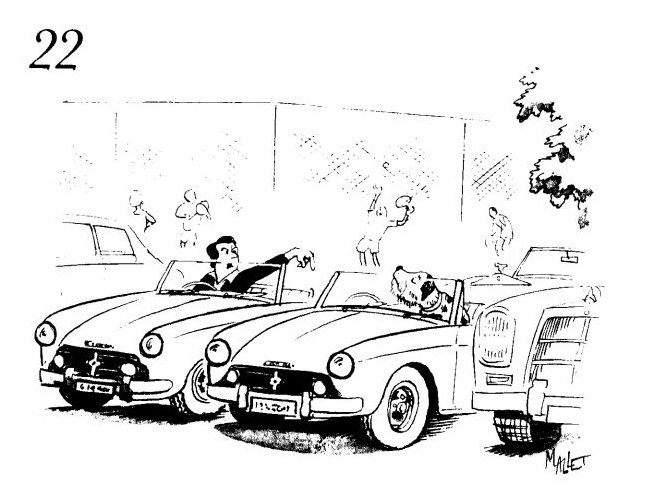
Passage 22
George is a young man. He does not have a wife, but he has a
very big dog-and he has a very small car too. He likes playing
tennis. Last Monday he played tennis for an hour at his club,
and then he ran out and jumped into a car. His dog came after
him, but it did not jump into the same car; it jumped into the
next one.
'Come here, silly dog! George shouted at it but the dog
stayed in the other car.
George put his key into the lock of the car, but the key did not
turn. Then he looked at the car again. It was not his! He was in
the wrong car! And the dog was in the right one! 'He's sitting
and laughing at me!" George said angrily. But then he smiled
and got into his car with the dog.
🔊
داستان شماره 22
جورج مرد جوانی است.
او همسر ندارد،
اما سگ بسیار بزرگی دارد
و همچنین ماشین بسیار کوچکی هم دارد.
او بازی تنیس را دوست دارد.
دوشنبه گذشته او به مدت یک ساعت در باشگاهش تنیس بازی کرد،
و سپس بیرون دوید
و سوار ماشینی شد.
سگش دنبال او آمد،
اما سگ سوار همان ماشین نشد؛
بلکه سوار ماشین بغلی شد.
بیا اینجا، سگ احمق!
جورج به او فریاد زد
اما سگ در ماشین دیگر ماند.
جورج کلیدش را در قفل ماشین انداخت،
اما کلید نچرخید.
سپس دوباره به ماشین نگاه کرد.
ماشین او نبود!
او در ماشین اشتباهی بود!
و سگ در ماشین درست بود!
او نشسته و به من میخندد!
جورج با عصبانیت گفت.
اما سپس لبخندی زد
و با سگ سوار ماشین خودش شد.
Passage 22
🔊
داستان شماره 22
George is a young man.
🔊
جورج مرد جوانی است.
He does not have a wife,
🔊
او همسر ندارد،
but he has a very big dog
🔊
اما سگ بسیار بزرگی دارد
and he has a very small car too.
🔊
و همچنین ماشین بسیار کوچکی هم دارد.
He likes playing tennis.
🔊
او بازی تنیس را دوست دارد.
Last Monday he played tennis for an hour at his club,
🔊
دوشنبه گذشته او به مدت یک ساعت در باشگاهش تنیس بازی کرد،
and then he ran out
🔊
و سپس بیرون دوید
and jumped into a car.
🔊
و سوار ماشینی شد.
His dog came after him,
🔊
سگش دنبال او آمد،
but it did not jump into the same car;
🔊
اما سگ سوار همان ماشین نشد؛
it jumped into the next one.
🔊
بلکه سوار ماشین بغلی شد.
'Come here, silly dog!
🔊
«بیا اینجا، سگ احمق!»
George shouted at it
🔊
جورج به او فریاد زد
but the dog stayed in the other car.
🔊
اما سگ در ماشین دیگر ماند.
George put his key into the lock of the car,
🔊
جورج کلیدش را در قفل ماشین انداخت،
but the key did not turn.
🔊
اما کلید نچرخید.
Then he looked at the car again.
🔊
سپس دوباره به ماشین نگاه کرد.
It was not his!
🔊
ماشین او نبود!
He was in the wrong car!
🔊
او در ماشین اشتباهی بود!
And the dog was in the right one!
🔊
و سگ در ماشین درست بود!
'He's sitting and laughing at me!
🔊
«او نشسته و به من میخندد!»
George said angrily.
🔊
جورج با عصبانیت گفت.
But then he smiled
🔊
اما سپس لبخندی زد
and got into his car with the dog.
🔊
و با سگ سوار ماشین خودش شد.
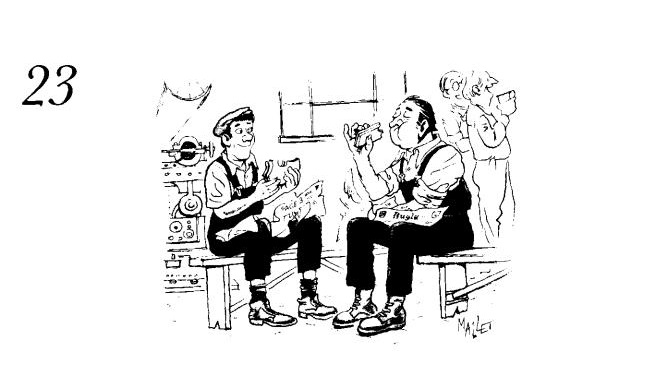
Passage 23
Fred Williams worked in a factory with a lot of other men.
They talked and laughed a lot, and at lunch time they sat
together and read newspapers and laughed about the pictures
in them.
Then Fred married. His wife, Betty, was very nice, but she
liked better newspapers than Fred. Every day a boy brought
Fred's newspaper and Betty's newspaper to the house, and
Fred took his to the factory and left Betty's in the hall. Once or
twice he looked at hers, but he did not like it, and sometimes in
the evening he said to Betty, 'Why do you read that paper? I
hate it.
But last Monday Fred said to his wife, "There was something
very nice in that newspaper yesterday.
Betty was happy. 'Oh!' she said, 'that's good, Fred. What
was that?
Fred laughed and said, 'My friend Bill's lunch. He brought
it to work in the newspaper.'
🔊
داستان شماره 23
فرد ویلیامز در کارخانهای کار میکرد.
به همراه تعداد زیادی از مردان دیگر
آنها زیاد با هم صحبت میکردند و میخندیدند،
و هنگام ناهار با هم مینشستند
و روزنامه میخواندند
و به عکسهای داخل آن میخندیدند.
سپس فرد ازدواج کرد.
همسرش، بتی، بسیار خوب بود،
اما او روزنامههایی متفاوت از فرد را دوست داشت.
هر روز، پسری روزنامه فرد و روزنامه بتی را به خانه می آورد
و فرد روزنامه خودش را به کارخانه میبرد
و روزنامه بتی را در راهرو میگذاشت
یکی دو بار نگاهی به روزنامه او انداخت،
اما از آن خوشش نیامد
و گاهی اوقات عصرها به بتی میگفت:
چرا آن روزنامه را میخوانی؟ من از آن متنفرم.
اما دوشنبه گذشته فرد به همسرش گفت:
دیروز چیز خیلی جالبی در آن روزنامه بود.
بتی خوشحال شد. او گفت:
اوه! چه خوب، فرد. آن چه بود؟
فرد خندید و گفت:
ناهارِ دوستم بیل.
او آن را داخل همان روزنامه به سر کار آورده بود.
Passage 23
🔊
داستان شماره 23
Fred Williams worked in a factory
🔊
فرد ویلیامز در کارخانهای کار میکرد.
with a lot of other men.
🔊
به همراه تعداد زیادی از مردان دیگر
They talked and laughed a lot,
🔊
آنها زیاد با هم صحبت میکردند و میخندیدند،
and at lunch time they sat together
🔊
و هنگام ناهار با هم مینشستند
and read newspapers
🔊
و روزنامه میخواندند
and laughed about the pictures in them.
🔊
و به عکسهای داخل آن میخندیدند.
Then Fred married.
🔊
سپس فرد ازدواج کرد.
His wife, Betty, was very nice,
🔊
همسرش، بتی، بسیار خوب بود،
but she liked better newspapers than Fred.
🔊
اما او روزنامههایی متفاوت از فرد را دوست داشت.
Every day a boy brought Fred's newspaper and Betty's newspaper to the house,
🔊
هر روز، پسری روزنامه فرد و روزنامه بتی را به خانه می آورد
and Fred took his to the factory
🔊
و فرد روزنامه خودش را به کارخانه میبرد
and left Betty's in the hall.
🔊
و روزنامه بتی را در راهرو میگذاشت
Once or twice he looked at hers,
🔊
یکی دو بار نگاهی به روزنامه او انداخت،
but he did not like it,
🔊
اما از آن خوشش نیامد
and sometimes in the evening he said to Betty,
🔊
و گاهی اوقات عصرها به بتی میگفت:
'Why do you read that paper? I hate it.
🔊
«چرا آن روزنامه را میخوانی؟ من از آن متنفرم.»
But last Monday Fred said to his wife,
🔊
اما دوشنبه گذشته فرد به همسرش گفت:
"There was something very nice in that newspaper yesterday.
🔊
«دیروز چیز خیلی جالبی در آن روزنامه بود.»
Betty was happy. 'Oh!' she said,
🔊
بتی خوشحال شد. او گفت:
'that's good, Fred. What was that?
🔊
«اوه! چه خوب، فرد. آن چه بود؟»
Fred laughed and said,
🔊
فرد خندید و گفت:
'My friend Bill's lunch.
🔊
«ناهارِ دوستم بیل.
He brought it to work in the newspaper.'
🔊
او آن را داخل همان روزنامه به سر کار آورده بود.»
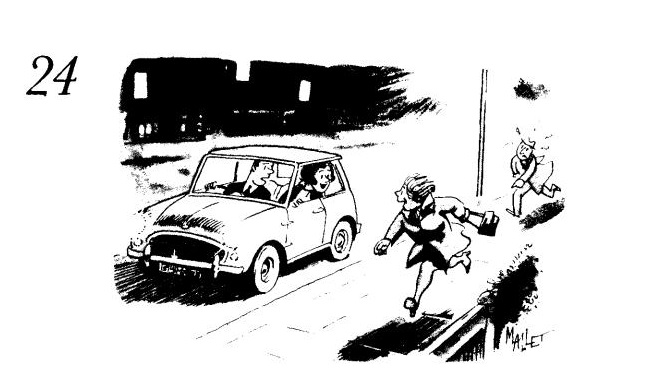
Passage 24
Mr and Mrs Jones very seldom go out in the evening, but last
Saturday, Mrs Jones said to her husband, "There's a good film
at the cinema tonight. Can we go and see it?"
Mr Jones was quite happy about it, so they went, and both of
then enjoyed the film.
They came out of the cinema at 11 o'clock, got into their car
and began driving home. It was quite dark. Then Mrs Jones
said, 'Look, Bill. A woman's running along the road very fast,
and a man's running after her. Can you see them?"
Mr Jones said,'Yes, I can.' He drove the car slowly near the
woman and said to her, 'Can we help you?'
'No, thank you,' the woman said, but she did not stop
running. 'My husband and I always run home after the
cinema, and the last one washes the dishes at home!"
🔊
داستان شماره 24
آقای و خانم جونز به ندرت در شب بیرون میروند،
اما شنبه گذشته، خانم جونز به شوهرش گفت:
امشب فیلم خوبی در سینما اکران میشود.
میتوانیم برویم و آن را ببینیم؟
آقای جونز از این موضوع کاملاً خوشحال بود،
پس آنها رفتند،
و هر دو از فیلم لذت بردند.
آنها ساعت ۱۱ از سینما بیرون آمدند،
سوار ماشینشان شدند
و شروع به رانندگی به سمت خانه کردند.
هوا کاملاً تاریک بود.
سپس خانم جونز گفت:
نگاه کن، بیل.
زنی با سرعت زیاد در امتداد جاده میدود،
و مردی دنبال او میدود.
آنها را میبینی؟
آقای جونز گفت: بله، میبینم.
او ماشین را به آرامی نزدیک زن راند
و به او گفت: میتوانیم کمکتان کنیم؟
زن گفت: نه، ممنونم،
اما دویدن را متوقف نکرد.
من و شوهرم همیشه بعد از سینما به خانه میدویم،
و هر کسی که دیرتر برسد، ظرفها را در خانه میشوید!
Passage 24
🔊
داستان شماره 24
Mr and Mrs Jones very seldom go out in the evening,
🔊
آقای و خانم جونز به ندرت در شب بیرون میروند،
but last Saturday, Mrs Jones said to her husband,
🔊
اما شنبه گذشته، خانم جونز به شوهرش گفت:
"There's a good film at the cinema tonight.
🔊
امشب فیلم خوبی در سینما اکران میشود.
Can we go and see it?"
🔊
میتوانیم برویم و آن را ببینیم؟
Mr Jones was quite happy about it,
🔊
آقای جونز از این موضوع کاملاً خوشحال بود،
so they went,
🔊
پس آنها رفتند،
and both of then enjoyed the film.
🔊
و هر دو از فیلم لذت بردند.
They came out of the cinema at 11 o'clock,
🔊
آنها ساعت ۱۱ از سینما بیرون آمدند،
got into their car
🔊
سوار ماشینشان شدند
and began driving home.
🔊
و شروع به رانندگی به سمت خانه کردند.
It was quite dark.
🔊
هوا کاملاً تاریک بود.
Then Mrs Jones said,
🔊
سپس خانم جونز گفت:
'Look, Bill.
🔊
نگاه کن، بیل.
A woman's running along the road very fast,
🔊
زنی با سرعت زیاد در امتداد جاده میدود،
and a man's running after her.
🔊
و مردی دنبال او میدود.
Can you see them?"
🔊
آنها را میبینی؟
Mr Jones said,'Yes, I can.'
🔊
آقای جونز گفت: ""بله، میبینم.
He drove the car slowly near the woman
🔊
او ماشین را به آرامی نزدیک زن راند
and said to her, 'Can we help you?'
🔊
و به او گفت: ""میتوانیم کمکتان کنیم؟
'No, thank you,' the woman said,
🔊
زن گفت: ""نه، ممنونم،
but she did not stop running.
🔊
اما دویدن را متوقف نکرد.
'My husband and I always run home after the cinema,
🔊
من و شوهرم همیشه بعد از سینما به خانه میدویم،
and the last one washes the dishes at home!
🔊
و هر کسی که دیرتر برسد، ظرفها را در خانه میشوید!
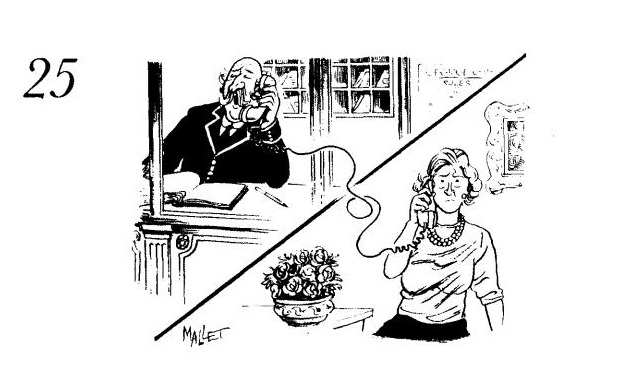
Passage 25
There were a lot of men's clubs in London a few years ago. Men
went there and read their newspapers quietly, or drank or had
meals with their friends.
All of these men's clubs had a lot of very good servants. At
every club one of the servants was a doorman. Mr Grace was
the doorman of one of these clubs. He was fifty-five years old,
and he had grey hair and a big grey moustache. The telephone
rang in his office at six o'clock in the evening, and a woman
spoke to him. She said, 'Are you the doorman of the George
Club?
'Yes, I am,' Mr Grace answered.
'Please give my husband a message. the woman said.
'Your husband isn't at the club this evening, Mr Grace
answered.
'But I haven't told you his name!' the woman said angrily.
"That isn't necessary,' Mr Grace answered. 'No husband is
ever at the club.
🔊
داستان شماره 25
چند سال پیش کلوپهای مردانه زیادی در لندن وجود داشت.
مردان به آنجا میرفتند
و روزنامههایشان را به آرامی میخواندند،
یا نوشیدنی مینوشیدند یا با دوستانشان غذا میخوردند.
تمام این کلوپهای مردانه خدمتکاران بسیار خوب زیادی داشتند.
در هر کلوپ یکی از خدمتکاران دربان بود.
آقای گریس دربان یکی از این کلوپها بود.
او پنجاه و پنج ساله بود،
و موهای خاکستری داشت
و سبیل خاکستری بزرگی داشت.
تلفن ساعت شش بعد از ظهر در دفترش زنگ خورد،
و زنی با او صحبت کرد.
او گفت: آیا شما دربان کلوپ جورج هستید؟
بله، هستم، آقای گریس پاسخ داد.
لطفاً پیامی به شوهرم بدهید. زن گفت.
همسر شما امشب در کلوپ نیست، آقای گریس پاسخ داد.
اما من نام او را به شما نگفتم! زن با عصبانیت گفت.
نیازی نیست، آقای گریس پاسخ داد.
هیچ شوهری هرگز در کلوپ نیست.
Passage 25
🔊
داستان شماره 25
There were a lot of men's clubs in London a few years ago.
🔊
چند سال پیش کلوپهای مردانه زیادی در لندن وجود داشت.
Men went there
🔊
مردان به آنجا میرفتند
and read their newspapers quietly,
🔊
و روزنامههایشان را به آرامی میخواندند،
or drank or had meals with their friends.
🔊
یا نوشیدنی مینوشیدند یا با دوستانشان غذا میخوردند.
All of these men's clubs had a lot of very good servants.
🔊
تمام این کلوپهای مردانه خدمتکاران بسیار خوب زیادی داشتند.
At every club one of the servants was a doorman.
🔊
در هر کلوپ یکی از خدمتکاران دربان بود.
Mr Grace was the doorman of one of these clubs.
🔊
آقای گریس دربان یکی از این کلوپها بود.
He was fifty-five years old,
🔊
او پنجاه و پنج ساله بود،
and he had grey hair
🔊
و موهای خاکستری داشت
and a big grey moustache.
🔊
و سبیل خاکستری بزرگی داشت.
The telephone rang in his office at six o'clock in the evening,
🔊
تلفن ساعت شش بعد از ظهر در دفترش زنگ خورد،
and a woman spoke to him.
🔊
و زنی با او صحبت کرد.
She said, 'Are you the doorman of the George Club?'
🔊
او گفت: ""آیا شما دربان کلوپ جورج هستید؟
'Yes, I am,' Mr Grace answered.
🔊
بله، هستم،"" آقای گریس پاسخ داد.
'Please give my husband a message. the woman said.
🔊
لطفاً پیامی به شوهرم بدهید."" زن گفت.
'Your husband isn't at the club this evening, Mr Grace answered.
🔊
همسر شما امشب در کلوپ نیست،"" آقای گریس پاسخ داد.
'But I haven't told you his name!' the woman said angrily.
🔊
اما من نام او را به شما نگفتم!" زن با عصبانیت گفت.
"That isn't necessary,' Mr Grace answered.
🔊
نیازی نیست،"" آقای گریس پاسخ داد.
'No husband is ever at the club.
🔊
هیچ شوهری هرگز در کلوپ نیست.
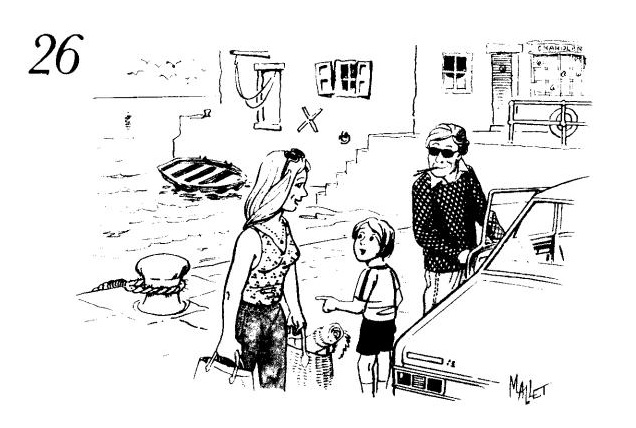
Passage 26
Jimmy lives in London and he began swimming a few months
ago. He likes swimming, and he often goes to the swimming-
pool near his house with his mother and swims there for an
hour or two.
He was six years old last week, and his mother said, You
swim quite well now, Jimmy, but you've never seen the sea,
have you? Your father and I are going to take you there on
Sunday, and you're going to swim in the sea. It isn't cold now.
and it's much nicer than a swimming-pool.
Jimmy's father and mother took him to the sea in their car on
Sunday, and they stopped at the side of a small harbour.
Jimmy got out and looked at the sea for a long time, but he was
not very happy. Then he said to his mother, 'Which is the
shallow end?
🔊
داستان شماره 26
جیمی در لندن زندگی میکند و او چند ماه پیش شنا را شروع کرد.
او شنا را دوست دارد،
و او اغلب با مادرش به استخر نزدیک خانهشان میرود
و یک یا دو ساعت آنجا شنا میکند.
او هفته گذشته شش ساله شد،
و مادرش گفت: تو حالا کاملاً خوب شنا میکنی، جیمی،
اما تو هرگز دریا را ندیدهای، مگر نه؟
من و پدرت یکشنبه تو را به آنجا خواهیم برد،
و تو در دریا شنا خواهی کرد.
الان سرد نیست،
و خیلی دلپذیرتر از استخر است.
پدر و مادر جیمی روز یکشنبه او را با ماشینشان به دریا بردند،
و آنها کنار یک بندر توقف کردند.
جیمی بیرون آمد و مدت طولانی به دریا نگاه کرد،
اما او خیلی خوشحال نبود.
سپس او به مادرش گفت: قسمت کمعمق کجاست؟
Passage 26
🔊
داستان شماره 26
Jimmy lives in London and he began swimming a few months ago.
🔊
جیمی در لندن زندگی میکند و او چند ماه پیش شنا را شروع کرد.
He likes swimming,
🔊
او شنا را دوست دارد،
and he often goes to the swimming-pool near his house with his mother
🔊
و او اغلب با مادرش به استخر نزدیک خانهشان میرود
and swims there for an hour or two.
🔊
و یک یا دو ساعت آنجا شنا میکند.
He was six years old last week,
🔊
او هفته گذشته شش ساله شد،
and his mother said, You swim quite well now, Jimmy,
🔊
و مادرش گفت: ""تو حالا کاملاً خوب شنا میکنی، جیمی،
but you've never seen the sea, have you?
🔊
اما تو هرگز دریا را ندیدهای، مگر نه؟
Your father and I are going to take you there on Sunday,
🔊
من و پدرت یکشنبه تو را به آنجا خواهیم برد،
and you're going to swim in the sea.
🔊
و تو در دریا شنا خواهی کرد.
It isn't cold now,
🔊
الان سرد نیست،
and it's much nicer than a swimming-pool.
🔊
و خیلی دلپذیرتر از استخر است.
Jimmy's father and mother took him to the sea in their car on Sunday,
🔊
پدر و مادر جیمی روز یکشنبه او را با ماشینشان به دریا بردند،
and they stopped at the side of a small harbour.
🔊
و آنها کنار یک بندر توقف کردند.
Jimmy got out and looked at the sea for a long time,
🔊
جیمی بیرون آمد و مدت طولانی به دریا نگاه کرد،
but he was not very happy.
🔊
اما او خیلی خوشحال نبود.
Then he said to his mother, 'Which is the shallow end?
🔊
سپس او به مادرش گفت: ""قسمت کمعمق کجاست؟
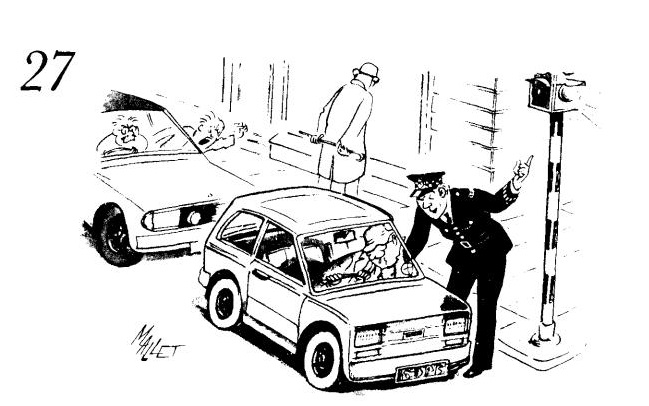
Passage 27
Mrs Green was eighty, but she had a small car, and she always
drove to the shops in it on Saturday and bought her food.
She did not drive fast, because she was old, but she drove
well and never hit anything. Sometimes her grandchildren said
to her, Please don't drive your car, Grandmother. We can take
you to the shops.
But she always said, 'No, I like driving. I've driven for fifty
years, and I'm not going to stop now.
Last Saturday she stopped her car at some traflie-lights
because they were red, and then it did not start again. The
lights were green, then yellow, then red, then green again, but
her car did not start.
'What am I going to do now?" she said.
But then a policeman came and said to her kindly, 'Good
morning. Don't you like any of our colours today?"
🔊
داستان شماره 27
خانم گرین هشتاد ساله بود،
اما او یک ماشین داشت،
و او همیشه شنبهها با آن به مغازهها رانندگی میکرد
و غذای خود را میخرید.
او سریع رانندگی نمیکرد،
چون پیر بود،
اما خوب رانندگی میکرد
و هرگز به چیزی برخورد نکرد.
گاهی اوقات نوههایش به او میگفتند:
لطفاً ماشین خود را نرانید، مادربزرگ.
ما میتوانیم شما را به مغازهها ببریم.
اما او همیشه میگفت: نه، من رانندگی را دوست دارم.
من پنجاه سال رانندگی کردهام،
و قصد ندارم حالا متوقف شوم.
شنبه گذشته او ماشینش را کنار چراغهای راهنمایی متوقف کرد
چون قرمز بودند،
و سپس دوباره روشن نشد.
چراغها سبز، سپس زرد، سپس قرمز، سپس دوباره سبز شدند،
اما ماشین او روشن نشد.
او گفت: حالا چکار باید بکنم؟
اما سپس یک پلیس آمد
و با مهربانی به او گفت:
صبح بخیر.
امروز هیچکدام از رنگهای ما را دوست ندارید؟
Passage 27
🔊
داستان شماره 27
Mrs Green was eighty,
🔊
خانم گرین هشتاد ساله بود،
but she had a small car,
🔊
اما او یک ماشین داشت،
and she always drove to the shops in it on Saturday
🔊
و او همیشه شنبهها با آن به مغازهها رانندگی میکرد
and bought her food.
🔊
و غذای خود را میخرید.
She did not drive fast,
🔊
او سریع رانندگی نمیکرد،
because she was old,
🔊
چون پیر بود،
but she drove well
🔊
اما خوب رانندگی میکرد
and never hit anything.
🔊
و هرگز به چیزی برخورد نکرد.
Sometimes her grandchildren said to her,
🔊
گاهی اوقات نوههایش به او میگفتند:
Please don't drive your car, Grandmother.
🔊
لطفاً ماشین خود را نرانید، مادربزرگ.
We can take you to the shops.
🔊
ما میتوانیم شما را به مغازهها ببریم.
But she always said, 'No, I like driving.
🔊
اما او همیشه میگفت: ""نه، من رانندگی را دوست دارم.
I've driven for fifty years,
🔊
من پنجاه سال رانندگی کردهام،
and I'm not going to stop now.
🔊
و قصد ندارم حالا متوقف شوم.
Last Saturday she stopped her car at some traffic-lights
🔊
شنبه گذشته او ماشینش را کنار چراغهای راهنمایی متوقف کرد
because they were red,
🔊
چون قرمز بودند،
and then it did not start again.
🔊
و سپس دوباره روشن نشد.
The lights were green, then yellow, then red, then green again,
🔊
چراغها سبز، سپس زرد، سپس قرمز، سپس دوباره سبز شدند،
but her car did not start.
🔊
اما ماشین او روشن نشد.
'What am I going to do now?" she said.
🔊
او گفت: ""حالا چکار باید بکنم؟
But then a policeman came
🔊
اما سپس یک پلیس آمد
and said to her kindly,
🔊
و با مهربانی به او گفت:
'Good morning.
🔊
صبح بخیر.
Don't you like any of our colours today?"
🔊
امروز هیچکدام از رنگهای ما را دوست ندارید؟